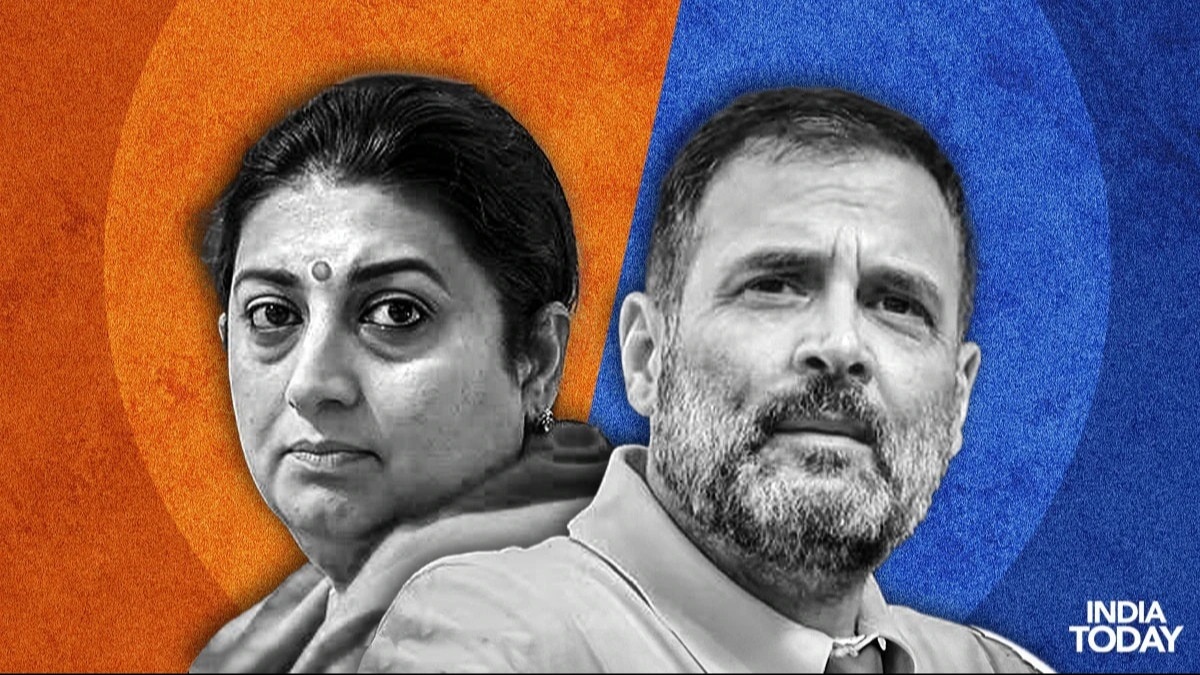
A heated exchange erupted between Leader of Opposition Rahul Gandhi and Union Minister Kiren Rijiju regarding the delayed implementation of the Women's Reservation Act.
- Rahul Gandhi demanded unconditional implementation of the 2023 Women's Reservation law.
- Kiren Rijiju stated that implementation is constitutionally tied to Census and Delimitation.
- The debate highlights a growing rift over the timing of political empowerment for women.
In a sharp political confrontation, Leader of the Opposition in the Lok Sabha, Rahul Gandhi, and Union Parliamentary Affairs Minister Kiren Rijiju sparred over the implementation timeline of the women's reservation law. The exchange, which unfolded on social media platform X, centered on whether the Nari Shakti Vandan Adhiniyam should be implemented immediately or remain contingent upon a fresh delimitation exercise.
The friction began after Mr. Gandhi released a video emphasizing the need to harness the energy of India's women and liberate them from patriarchal structures. Mr. Rijiju responded by suggesting a 'change of heart' in the Congress leader and challenged the opposition to support the bill 'unconditionally.' Hitting back, Mr. Gandhi questioned why the government has held up the implementation for three years and why it is now being unnecessarily linked to delimitation.
Why This Matters
BozokMedia analysis shows that this is not merely a procedural debate but a high-stakes battle over India's federal structure. The link between delimitation and women's reservation creates a paradox: while it promises empowerment, the redrawing of constituencies based on population could disproportionately affect states that have successfully implemented population control measures, potentially shifting the balance of power toward more populous northern states.
The intersection of gender justice and demographic re-alignment is becoming the most volatile fault line in Indian politics.
Minister Rijiju clarified that under the Constitution (106th Amendment) Act, 2023, the reservation provisions would only come into effect following a delimitation exercise based on post-2023 Census figures. He noted that since the 2026 Census and subsequent processes could take time, the implementation might be delayed until at least the 2034 General Elections.
Historical Background
The struggle for women's political reservation in India has spanned decades, with various iterations of the bill failing in Parliament before the successful passage of the Nari Shakti Vandan Adhiniyam in 2023. The current controversy arises from the technicality that the law itself mandates a census-linked delimitation before the 33% quota can be applied to the Lok Sabha and State Assemblies.
Frequently Asked Questions
1. Why is the women's reservation not active yet?
The law requires a new census and a delimitation exercise to be completed before the reserved seats can be allocated.
2. What is the impact of delimitation?
Delimitation involves redrawing the boundaries of constituencies to ensure equal representation based on current population data.