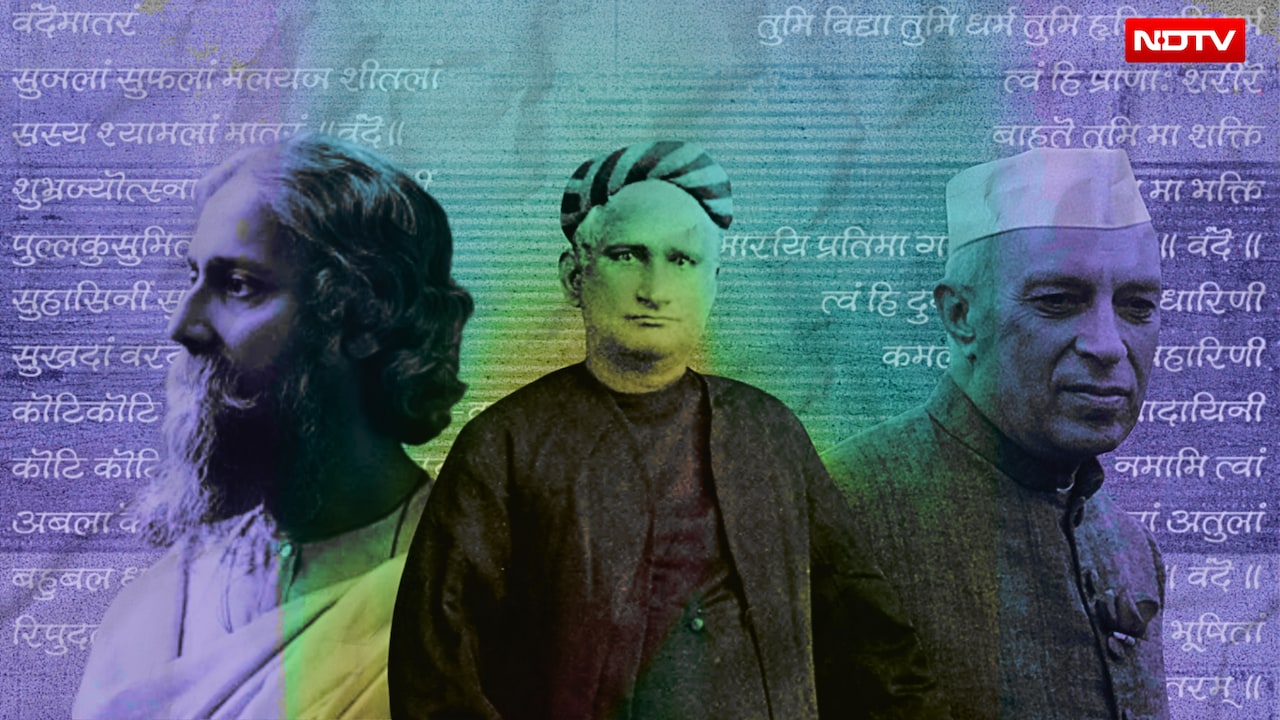
Following PM Modi's launch of the 150th-anniversary commemorations, a profound debate has resurfaced regarding the historical status and political context of India's National Song.
- PM Narendra Modi inaugurated a year-long celebration for the 150th anniversary of Vande Mataram.
- Parliamentary discussions scrutinized the 1937 Congress decision regarding the song.
- The government's move to accord 'due respect' to the song has sparked political discourse.
The song 'Vande Mataram' has long stood at the intersection of Indian culture and intense political debate. On November 7, 2025, Prime Minister Narendra Modi officially launched a year-long commemoration to mark the 150th anniversary of this iconic anthem. This initiative aims to celebrate the song's profound impact on the Indian psyche and its role in the freedom struggle.
In December, the discourse moved to the halls of Parliament, where both Houses engaged in special discussions. A significant portion of these deliberations focused on scrutinizing the 1937 decision made by the Congress, a pivotal moment that shaped the song's official standing and usage in the post-independence era. These debates highlight the tension between historical preservation and modern political identity.
Why This Matters
BozokMedia analysis shows that the debate over Vande Mataram is more than just a musical discussion; it is a struggle over national symbols. The central government's proactive stance to provide 'due respect' to the National Song has reignited discussions on how a nation honors its revolutionary roots versus its institutionalized history.
Vande Mataram serves as a sonic bridge between India's colonial struggle and its modern sovereign identity.
Historically, the song composed by Bankim Chandra Chattopadhyay acted as a rallying cry for revolutionaries. However, the nuances of its classification and the political decisions made during the mid-20th century continue to influence contemporary legislative and social dialogues.
Historical Background
Since its inception, the song has been a cornerstone of Indian nationalism. The period around 1937 was crucial, as the political landscape was shifting, and the decision-making processes within the Indian National Congress regarding national symbols set the stage for decades of debate that persist today.
Frequently Asked Questions
Question 1: What is the significance of the 150th anniversary?
Answer: It marks a century and a half of the song's presence in the Indian cultural and political consciousness.
Question 2: Why is the 1937 decision being discussed?
Answer: The decision made in 1937 by the Congress party had lasting implications on how the song was officially treated in India.