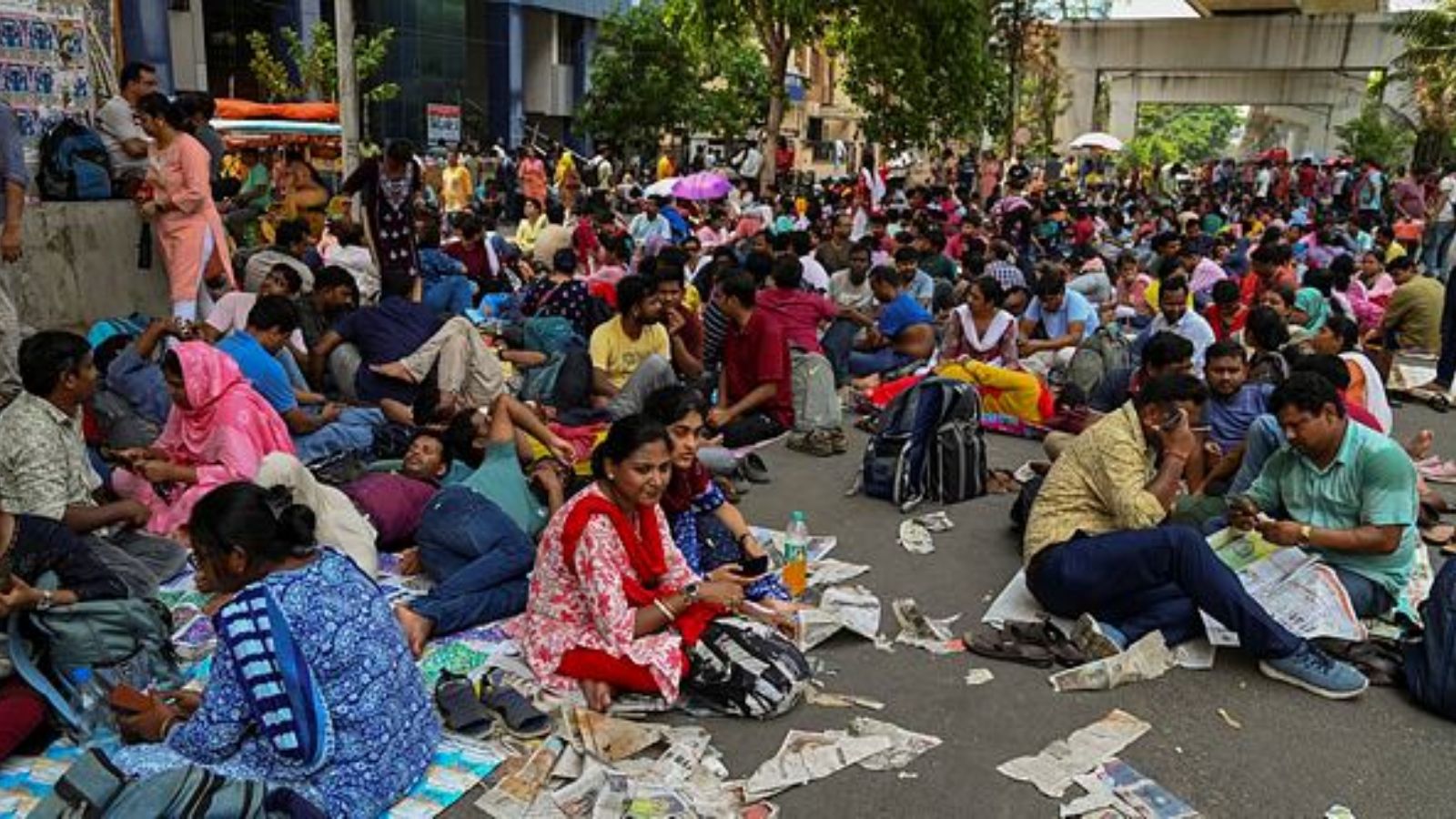
Colombia’s President Abelardo de la Espriella announced a hard‑line crackdown on irregular migrants, prioritising criminals first and planning to deport all undocumented residents within weeks. The move threatens up to 848,000 Venezuelan migrants, including 193,000 children, who currently lack legal status.
- President orders immediate deportation of irregular migrants
- Criminal offenders will be targeted first, then all undocumented residents
- Up to 848,000 Venezuelan migrants, including 193,000 minors, are at risk
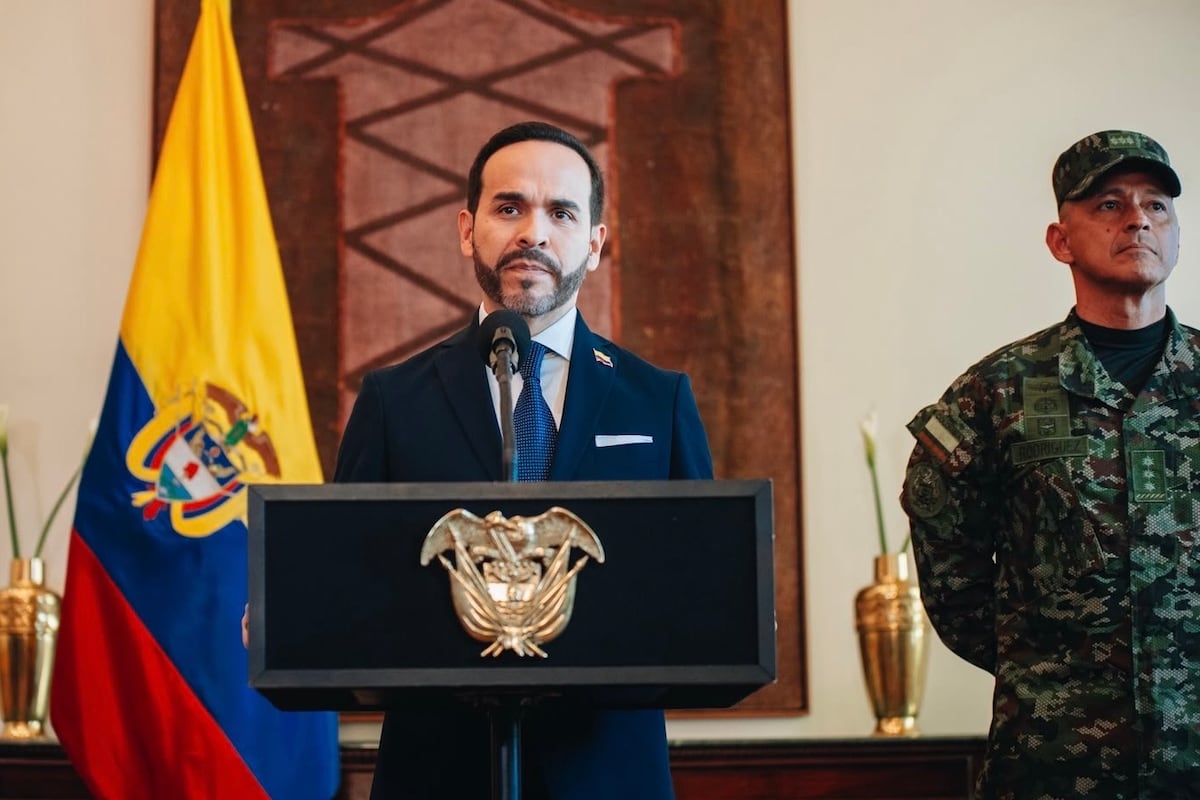
Bogotá – August 24, 2026 – Colombian President Abelardo de la Espriella instructed security forces on Sunday to launch coordinated operations aimed at locating and deporting irregular migrants, marking a stark reversal of the country’s decade‑long welcoming stance toward the Venezuelan diaspora.
Speaking at a security council in Barranquilla, the Caribbean city that has functioned as a de‑facto alternate capital, De la Espriella declared, “First, we capture illegal migrants who commit crimes; second, those without regularised status; finally, they will be deported.”
The ultraconservative leader, who has been in office for less than three weeks, added that the decree must be implemented within the same week. “I will not tolerate illegal immigrants, regardless of origin, who break the law in Colombia. They will leave, and we will deport them. This is a political and administrative decision, and I take full responsibility,” he said.
The announcement directly impacts the 2.8 million Venezuelans residing in Colombia – roughly 90 % of the nation’s immigrant population. Official data from Migration Colombia indicates that 848 thousand of them are in irregular status, including 193 thousand children, adolescents and youths.
Historical Background
Since the 2015 Venezuelan crisis forced more than 7.8 million people to flee, Colombia introduced legal and social mechanisms to regularise the influx. Across centrist, right‑wing and left‑wing administrations, the country became a global model for humane migration policy, integrating nearly a third of the diaspora. Migration scholar Ronal Rodríguez of Universidad del Rosario warns, “Colombia has never had ‘illegal’ migrants; they are simply irregular, not criminals.”
Why This Matters
BozokMedia analysis shows that this abrupt policy shift could destabilise Colombia’s labour market, which relies on Venezuelan migrants for an estimated US$3 billion annual contribution, and may ignite xenophobic sentiments similar to those seen in the United States, Chile and Argentina.
“Targeting migrants for political gain ignores their economic importance and risks long‑term social costs,” said migration expert Ronal Rodríguez.
Frequently Asked Questions
Question 1: Will all Venezuelan migrants be deported immediately?
Answer: The government says law‑enforcement will first target criminal cases; the rest will be processed sequentially, with deportation as the ultimate goal.
Question 2: What could be the economic impact of this policy?
Answer: Economists warn that a mass exodus could cut consumer spending, tax revenues and the operations of countless small and large businesses that depend on migrant labour.