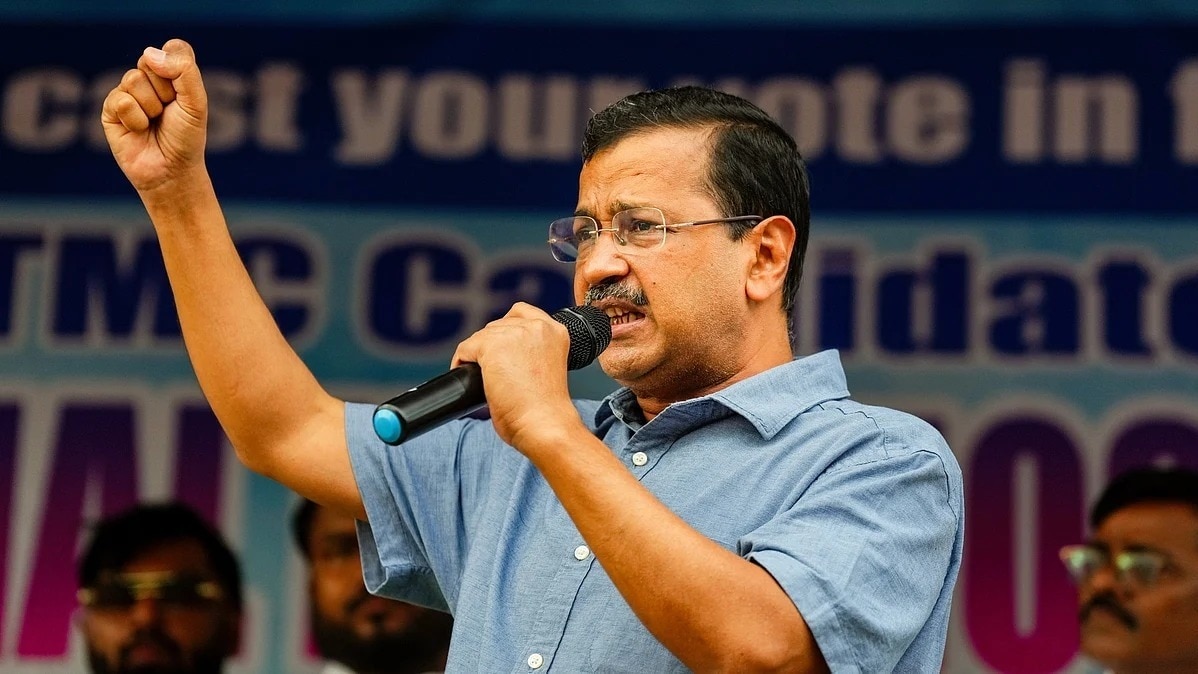
AAP leader Arvind Kejriwal has launched a scathing attack on the Centre, claiming E20 fuel is causing engine damage and reducing mileage while simultaneously inflating sugar prices due to sugarcane diversion.
- Arvind Kejriwal claims E20 petrol causes engine damage and lower mileage.
- Alleges diversion of sugarcane to ethanol is causing a massive spike in sugar prices.
- The Central Government has rejected all claims, blaming industry hoarding.
- AAP plans a major campaign in Goa against the 'forced' E20 implementation.
AAP national convenor Arvind Kejriwal has raised serious concerns regarding the implementation of E20 petrol (20% ethanol blend) during a press conference in Panaji, Goa. Kejriwal alleged that the fuel is causing significant damage to vehicle engines and leading to a noticeable drop in fuel mileage. He stated that he has received thousands of complaints from citizens via WhatsApp and social media regarding this issue.
Beyond vehicular concerns, Kejriwal linked the ethanol blending policy to the recent surge in essential commodity prices. He claimed that diverting a massive amount of sugarcane—equivalent to nearly 25 lakh tonnes—for ethanol production has directly contributed to the spike in sugar prices. According to Kejriwal, sugar prices jumped from approximately ₹45 per kg on July 31 to over ₹70 per kg in just one month.
Why This Matters
BozokMedia analysis shows that the E20 mandate sits at the intersection of environmental policy and economic stability. While the government aims to reduce crude oil import bills and lower emissions, the unintended consequences on consumer vehicle longevity and food inflation could trigger significant public backlash, especially in upcoming state elections.
The tension between biofuel mandates and domestic food security remains one of the most volatile aspects of India's current energy transition.
The Central Government has vehemently rejected these allegations. Officials maintain that there is sufficient sugar stock to meet domestic demand and have instead blamed industry players for price manipulation. Furthermore, the government asserts that E20 petrol has undergone rigorous scientific testing and is safe for modern vehicular components.
Historical Background
The ethanol blending program was initiated by the Indian government to mitigate the impact of fluctuating global crude oil prices and to support the agricultural sector. As part of a phased rollout, E20 became the primary petrol variant available at fuel pumps across India by April 2026. While intended to be a sustainable solution, it has created a divide between new-age vehicle manufacturers and owners of older internal combustion engine models.
Frequently Asked Questions
Q1: What is the difference between E10 and E20 petrol?
A: E10 contains 10% ethanol, whereas E20 contains 20% ethanol blended with petrol.
Q2: Why are sugar prices rising?
A: While the government blames hoarding, critics like Kejriwal suggest it is due to the diversion of sugarcane for ethanol production.