A 6.83% increase in Jammu & Kashmir's power tariff, effective from September 1, has put Chief Minister Omar Abdullah's government under intense political pressure. Opposition parties have staged protests, invoking the National Conference's election promise of free electricity.
- The power tariff in J&K will rise by 6.83% starting September 1.
- Opposition parties reminded the National Conference of its election pledge and staged protests.
- Despite subsidies, J&K's consumer price remains lower than many neighboring states.
Chief Minister Omar Abdullah faces a wave of criticism after the Joint Electricity Regulatory Commission (JERC) approved a 6.83% tariff rise that will be in force from September 1, 2026, to March 31, 2027. The increase has ignited protests across urban and rural parts of the union territory.
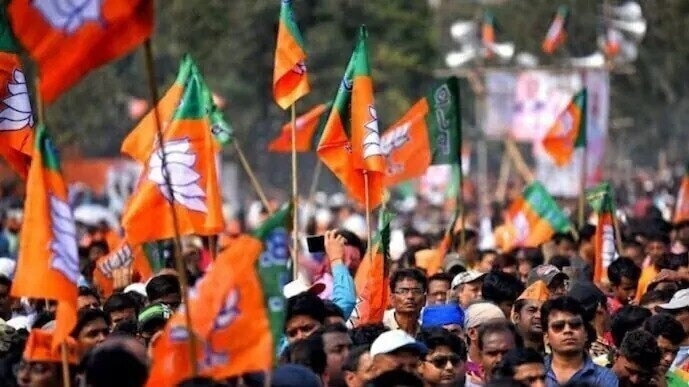
The People’s Democratic Party (PDP) and J&K Apni Party organized large demonstrations in Srinagar, accusing the government of breaking its election promise of 200 units of free electricity per household. PDP leader Waheed ur Rehman Para declared, “A 6.8% hike is outright anti‑people and anti‑poor. It must be withdrawn immediately.”
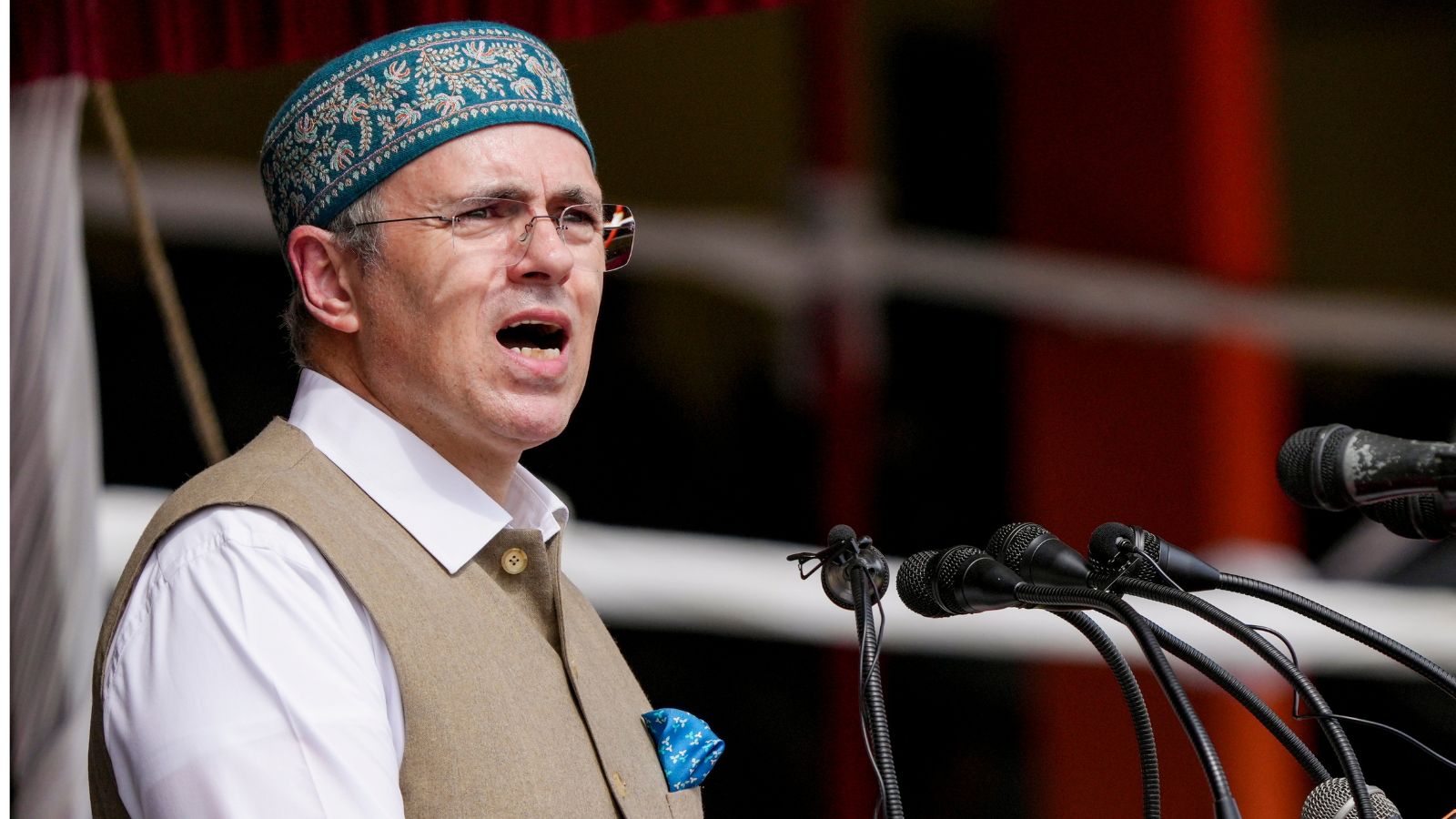
Omar Abdullah defended the decision, stating, “Even with four years of inflation and higher supply volumes, we continue to subsidise power to a great extent.” He added that previous administrations had raised tariffs by more than 14%, yet faced little opposition.
Historical Background
Since the abrogation of Article 370 in 2019, Jammu & Kashmir has been a centrally administered union territory, leading to major policy overhauls. The National Conference’s election platform promised 200 free units, a commitment still hindered by legacy agreements in many rural areas.
JERC’s assessment shows the average cost of supplying electricity is about ₹6.87 per unit, while consumers are billed roughly ₹5.25 per unit. This gap translates to a direct subsidy of approximately ₹2,420.78 crore this year – roughly 24% of the total cost – equating to about ₹1.6 per unit saved by consumers.
Why This Matters
BozokMedia analysis shows that the tariff hike, while modest compared to neighboring states, highlights a deeper fiscal strain on the UT’s power infrastructure. If subsidies are trimmed, rural electrification could suffer, fueling social unrest and giving opposition parties a potent rallying point ahead of the next elections.
“Balancing power tariffs in J&K is a delicate equation between political promises and fiscal sustainability,” notes energy policy expert Dr. Ajay Singh.
Frequently Asked Questions
Q1: How much extra will an average household pay after the hike?
A: The 6.83% increase translates to roughly ₹150‑₹200 extra per month for a typical family.
Q2: Can the government reverse the tariff increase?
A: Technically, the decision rests with JERC; the government can request a review, but political pressures may make a reversal challenging.