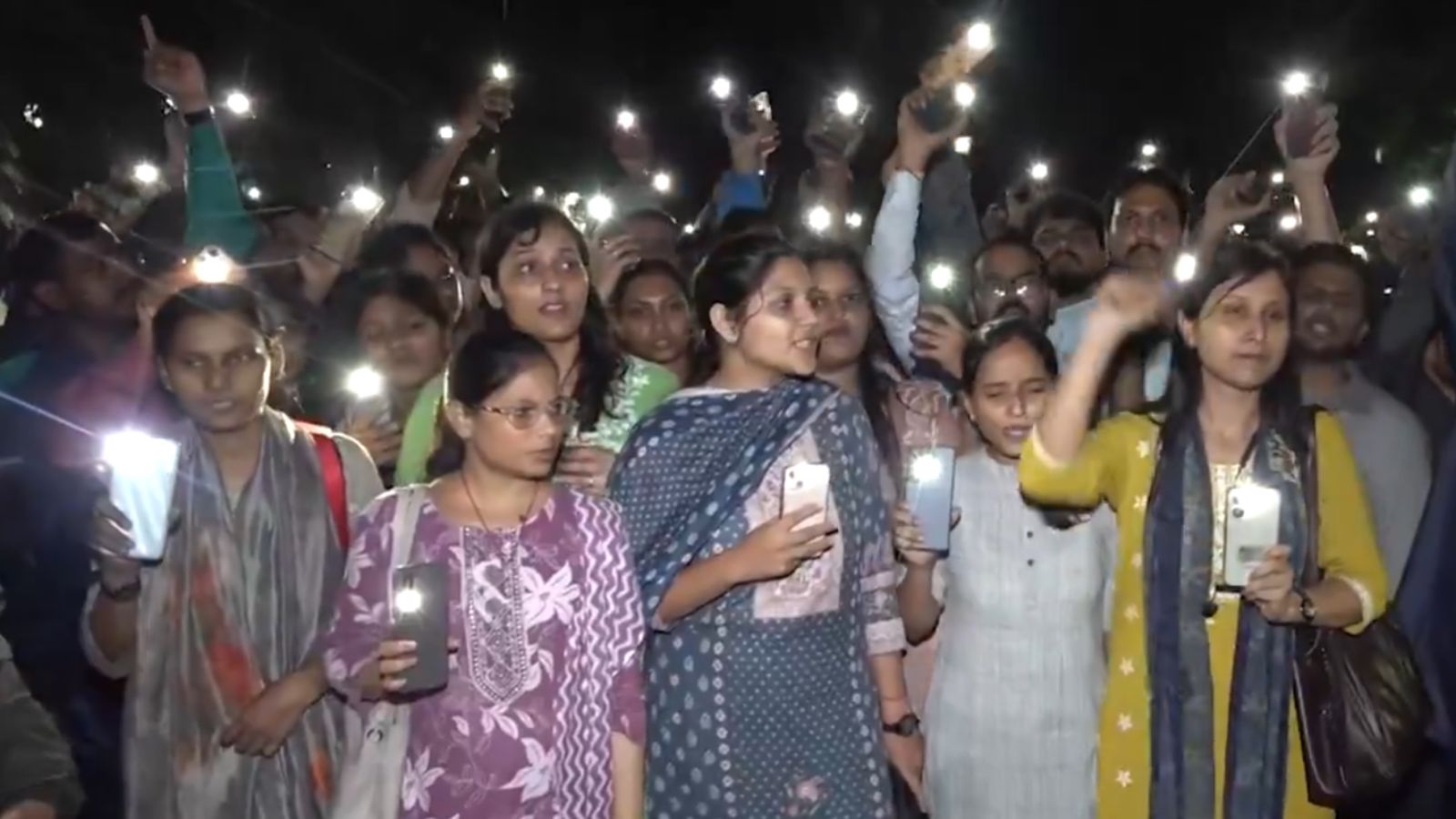
Jharkhand’s government halted several recruitment exams, jeopardising the jobs and livelihoods of already appointed officials. The High Court intervened, highlighting the need for proportional administrative action under constitutional guarantees.
- Hundreds of appointments had already been made
- Jharkhand High Court stayed the blanket cancellation
- Broad cancellation deemed disproportionate
Background
Chief Minister Hemant Soren ordered the cancellation of multiple recruitment examinations, including the 11th‑13th Combined Civil Services Exams conducted by the Jharkhand Public Service Commission (JPSC), after sustained protests alleging paper leaks and mark manipulation. The move was presented as a response to alleged systemic corruption in the hiring process.
Current Legal Situation
Following the cancellation, the Jharkhand High Court stayed the termination of appointments and directed the state to justify its action. The court noted that while a tainted recruitment can be voided, the rights of candidates who have already assumed office cannot be ignored.
Constitutional Framework
Articles 14 and 16 of the Indian Constitution guarantee equality and fairness in public employment. The Supreme Court has previously held that a wholesale cancellation may be justified only when tainted candidates cannot be separated from the clean ones; otherwise, it amounts to collective punishment.
Need for Administrative Proportionality
Administrative law requires the government to match the remedy to the defect. If irregularities are confined to specific stages—such as paper leakage or interview‑board manipulation—a targeted correction is required, not a blanket nullification. This principle of proportionality asks whether a less destructive alternative is reasonably available.
Why This Matters
BozokMedia analysis shows that such sweeping cancellations undermine not only the livelihoods of current employees but also public confidence in the state’s recruitment machinery. Without a fair remedy, future talent may shy away from applying for civil service positions in Jharkhand.
"Cancelling an entire recruitment after appointments have been made violates both administrative fairness and the principle of natural justice," says Prof. Anjali Singh, constitutional law expert.
Historical Background
India has witnessed similar scandals, notably the 2015 Uttar Pradesh postgraduate exam scam, where courts ordered the removal of only those candidates directly implicated while preserving the rest of the merit list. Those precedents reinforce the need for case‑by‑case scrutiny.
Frequently Asked Questions
Question 1: Will all currently serving officers lose their jobs?
Answer: Not at this stage. The stay order keeps them in service while the government conducts individualized inquiries.
Question 2: What reforms can prevent future recruitment scandals?
Answer: Implementing digital examination platforms, independent oversight bodies, and transparent scoring mechanisms can significantly reduce the risk of malpractice.

