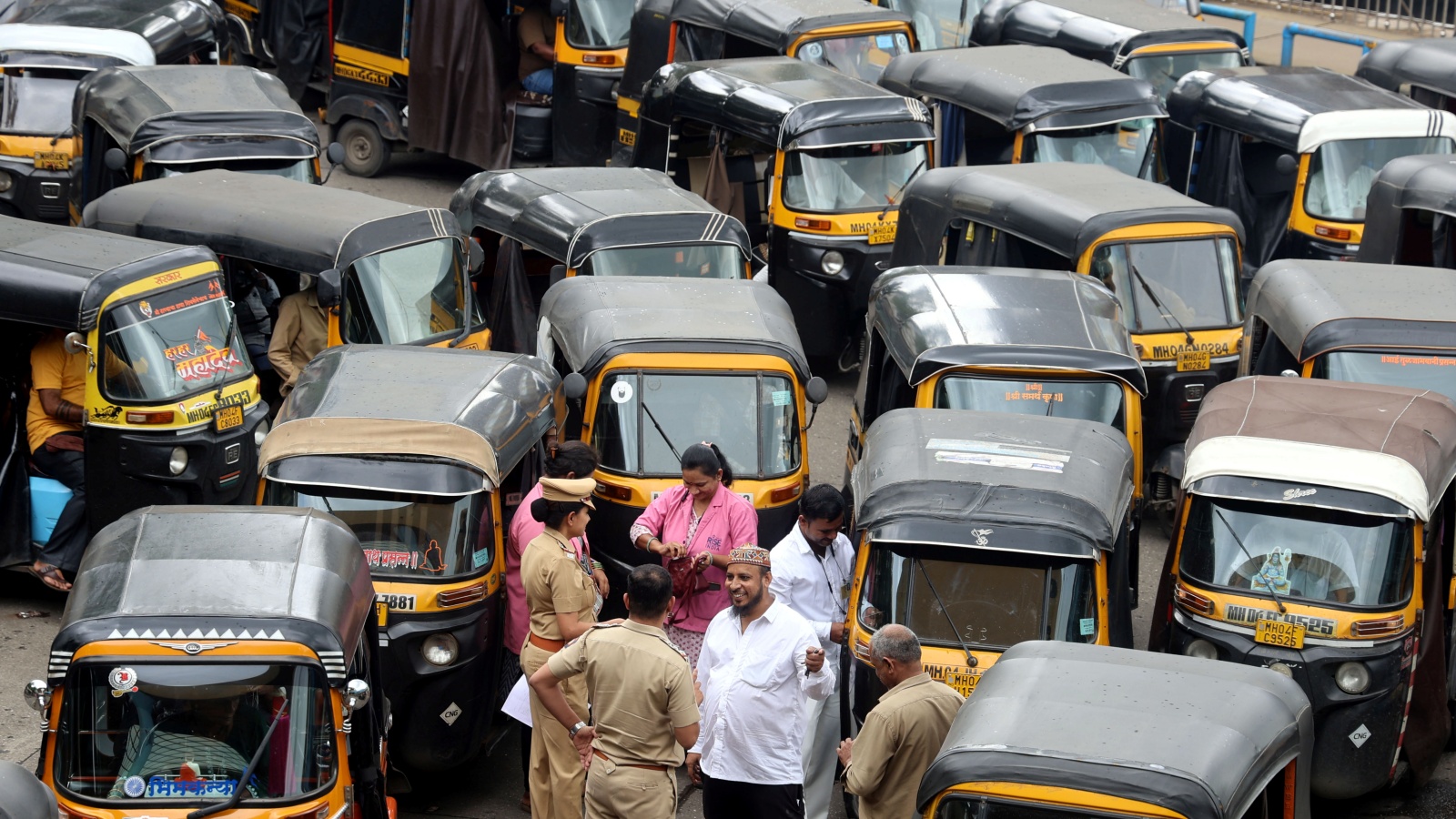
Maharashtra's new rule requiring auto‑rickshaw drivers to be proficient in Marathi has ignited a fresh political showdown between the two Shiv Sena factions. Eknath Shinde's government is enforcing it, while Uddhav Thackeray's camp frames it as a livelihood issue for Marathi drivers.
- Marathi proficiency mandated; 8,217 drivers examined on day one.
- Drivers staged a three‑day blockade on Kandivali Link Road.
- The two Shiv Sena groups are turning the language rule into a power‑play.
Background
In August 2026, the Maharashtra government announced that all auto‑rickshaw and taxi drivers must demonstrate basic Marathi language skills. The move revives the long‑standing Marathi‑preservation agenda but now serves as a fresh battlefield for the rival Shiv Sena factions.
Implementation of the Rule
Transport Minister Pratap Sarnaik ordered the Transport Department to conduct conversational tests covering destinations, fares and routes. On the first day, 8,217 drivers were checked and 1,268 received notices for lacking the required Marathi proficiency. Drivers have one month to learn the language; a second failure can lead to a three‑month suspension.
Shinde‑Led Shiv Sena's Strategy
Eknath Shinde’s faction is using the rule to prove its commitment to the Marathi cause. By positioning the language test as a public‑service necessity, Shinde aims to showcase effective governance and win Marathi‑voter confidence.
Uddhav‑Led Shiv Sena's Counter
Uddhav Thackeray’s UBT faction accepts the language requirement but pivots the debate toward the livelihoods of Marathi drivers. MP Sanjay Raut wrote to Sarnaik, warning that bike‑taxi platforms such as Rapido, Ola and Uber threaten Marathi auto drivers’ earnings and urging the government to “protect the stomachs of Marathi rickshaw drivers.”
Drivers' Concerns
Auto‑driver unions, led by Mumbai Autorickshaw‑Taximen’s Union president Shashank Rao, have asked for a three‑month extension, citing insufficient training centres. Many veteran drivers, aged 55‑60, lack formal education and find the test daunting, turning the issue into one of fines, income loss, and the practicality of passing a language exam after decades on the road.
Why This Matters
BozokMedia analysis shows that the language rule is being weaponized by rival Shiv Sena factions to claim authentic representation of the “Marathi manoos”. While Shinde’s camp uses it to showcase governance, Uddhav’s side ties it to livelihoods, turning a cultural demand into an economic battle that could reshape voter loyalties in Mumbai’s multicultural urban fabric.
“Mandating Marathi in public transport is a legitimate policy, but politicising it risks deepening communal divides,” says language policy expert Dr. Anjali Mehta.
Frequently Asked Questions
Q1: Will drivers who fail the Marathi test lose their jobs?
A: After the first failure, they receive a one‑month grace period to improve; a second failure can result in a suspension of up to three months, but not immediate termination.
Q2: Why are bike‑taxi services being targeted alongside the language rule?
A: The government argues it wants a level playing field, while the UBT faction claims these services erode the earnings of Marathi‑speaking auto drivers.