The Odisha government has turned down the opposition's request for a special assembly session to debate the Mines and Minerals (Development and Regulation) Amendment Bill. The bill will now be discussed in the upcoming monsoon session, amid accusations that it harms the state's interests.
- Odisha government refuses special session demand
- MMDR Amendment Bill slated for monsoon session debate
- BJD and Congress label the bill as anti‑Odisha
Key Developments
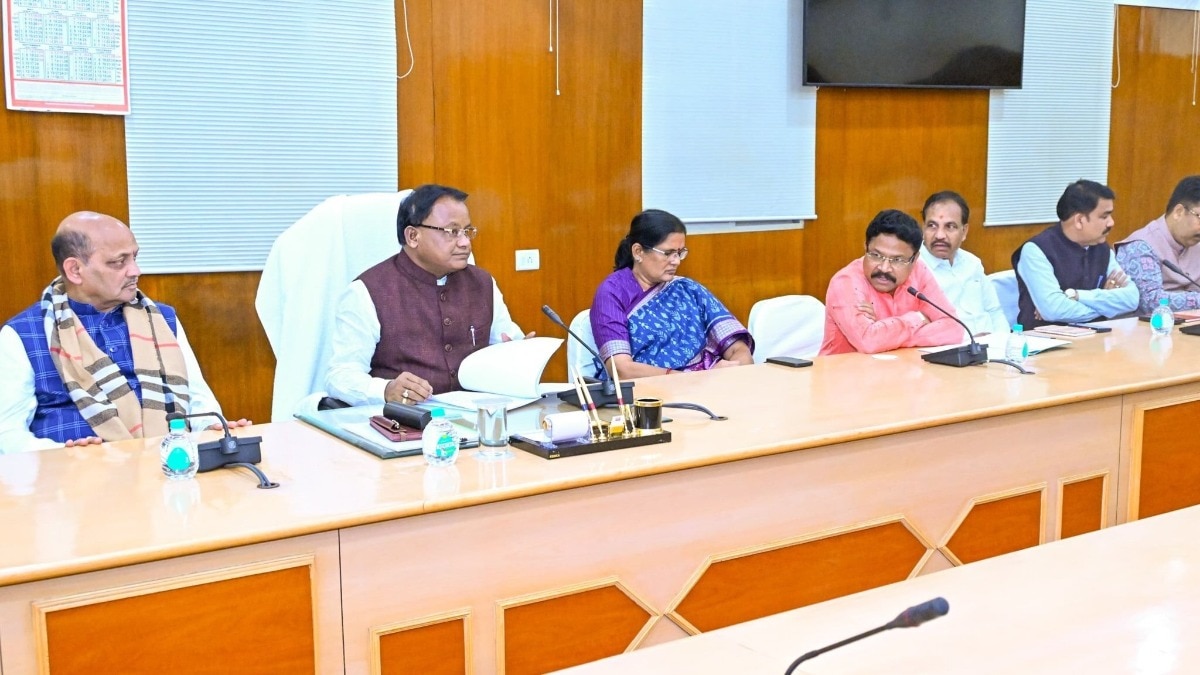
Parliamentary Affairs Minister Mukesh Mahaling stated on Sunday that a special session is unnecessary because the issue can be addressed during the forthcoming monsoon session. His comment came right after the BJD and Congress pressed for a dedicated sitting.
Opposition Leader Naveen Patnaik and Congress Legislature Party head Ram Chandra Kadam wrote separate letters to Chief Minister Mohan Charan Majhi, describing the proposed mining legislation as "anti‑Odisha" and demanding an all‑party meeting.
The Congress slammed the decision, warning that the state could lose around ₹10,000 crore in annual revenue and face arrears amounting to hundreds of crores. Party Vice‑President Santosh Singh Saluja accused the central government of trying to seize control of Odisha’s water, forests, land and minerals under the banner of ‘Odia Asmita’.
Historical Background
The Mines and Minerals (Development and Regulation) Act of 1957 gave Odisha considerable autonomy over its mineral resources. The 2024‑proposed amendment seeks to expand central oversight in licensing, prompting fears of diminished state revenue.
Over the past decade, Odisha earned roughly ₹15,000 crore from mining, funding major infrastructure projects. Critics argue that the amendment could erode this financial backbone.
Why This Matters
BozokMedia analysis shows that the refusal to convene a special session reflects the central government's strategy to streamline the legislative calendar, potentially sidelining regional dissent and expediting resource‑control reforms that could reshape federal‑state fiscal dynamics across India.
"If the amendment passes, Odisha could see a 30% dip in mining revenues," noted a resource‑policy analyst.
Frequently Asked Questions
Q1: Can the opposition demand a special session again?
A: Opposition leaders have signaled they will revisit the request if the monsoon session does not provide adequate debate.
Q2: What impact could the bill have on Odisha’s economy?
A: Experts estimate a potential 10‑15% revenue decline for the state if central control is expanded.