A massive wave of protests is sweeping through Punjab as government employees demand the Old Pension Scheme (OPS) and higher pay scales, putting Finance Minister Harpal Singh Cheema in the crosshairs.
- Widespread protests by teachers, sanitation workers, and power corp employees.
- Core demands include the implementation of the Old Pension Scheme (OPS) and higher DA.
- Punjab's massive ₹4.2 lakh crore debt complicates the government's response.
- Potential for a 'Maha Bandh' affecting over 50 government departments.
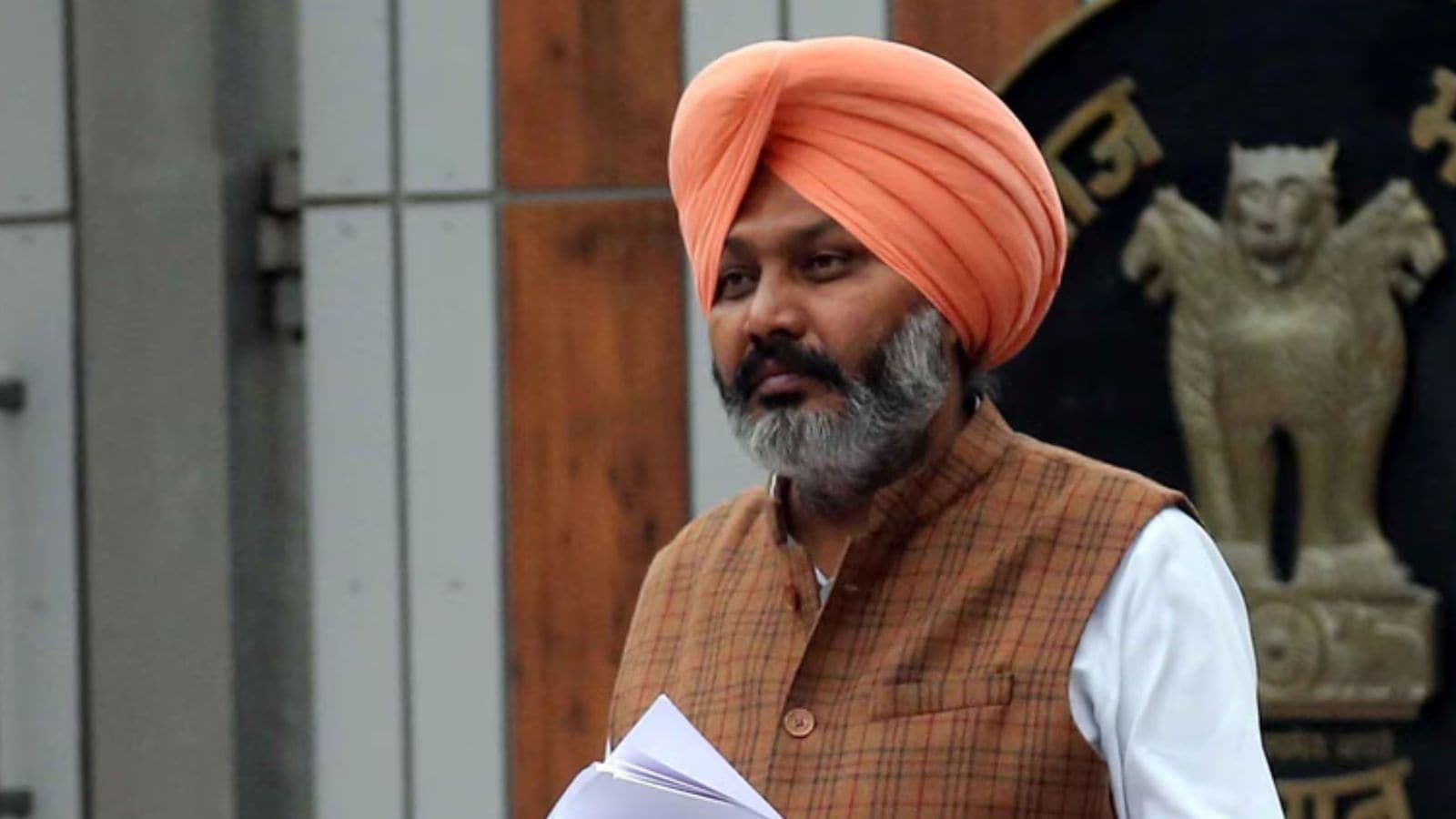
The political landscape in Punjab is witnessing a significant surge in unrest. As the Aam Aadmi Party (AAP) prepares for the upcoming Assembly elections, State Finance Minister Harpal Singh Cheema has emerged as a central figure of contention. From sanitation workers to teachers and electricity corporation staff, a diverse range of government employees have taken to the streets to protest unfulfilled promises.
The Root of the Discontent
The primary driver of this unrest is the demand for the Old Pension Scheme (OPS) and the implementation of state-specific pay scales. A major point of friction is the Dearness Allowance (DA); while central government employees receive 60%, Punjab state employees are currently at 42%. Recent protests have escalated, with the Elementary Trained Teachers’ (ETT) Union demonstrating outside Cheema's Chandigarh residence, necessitating police intervention.
The Finance Minister is currently caught in a high-stakes balancing act between meeting massive employee demands and managing a state burdened by heavy debt.
BozokMedia analysis shows that this is not merely an economic dispute but a crisis of political trust. Protesters have pointed out a perceived betrayal, noting that Cheema himself had participated in their protests against the previous Congress administration, promising reforms that have yet to materialize under the AAP government.
Financial Constraints vs. Political Survival
The government faces a daunting fiscal reality. At the end of FY 2025-26, Punjab's outstanding debt stood at approximately ₹4.2 lakh crore. Any significant concession to employee demands—such as OPS or higher DA—could further strain an already stretched treasury. However, ignoring these demands carries a heavy political price.
| Demand Category | State Employee Status | Central Employee Status |
|---|---|---|
| Dearness Allowance (DA) | 42% | 60% |
| Pension Scheme | Demanding OPS | NPS (Current) |
| Pay Scales | Demanding State Scales | Central Scales |
The situation is poised to intensify with a 'Maha Bandh' called by various unions, threatening to paralyze services in hospitals, transport, and power corporations.
Historical Context and Political Risks
Employee leaders have drawn parallels between Cheema and his predecessor, Manpreet Singh Badal. Badal’s unpopularity among government workers is cited as a factor in his significant electoral defeat in 2022. This serves as a cautionary tale for the AAP leadership as they navigate anti-incumbency sentiments.
Frequently Asked Questions
Q1: What are the main demands of the Punjab government employees?
A1: The main demands are the implementation of the Old Pension Scheme (OPS), higher Dearness Allowance (DA), and regularisation of jobs.
Q2: How will the upcoming 'Maha Bandh' affect the public?
A2: The strike is expected to impact over 50 departments, including healthcare (OPDs), electricity, and public transport.