An incisive critique by Sagarika Ghose on how the weaponization of abusive language and labels like 'Mental Naxals' is eroding democratic debate in India.
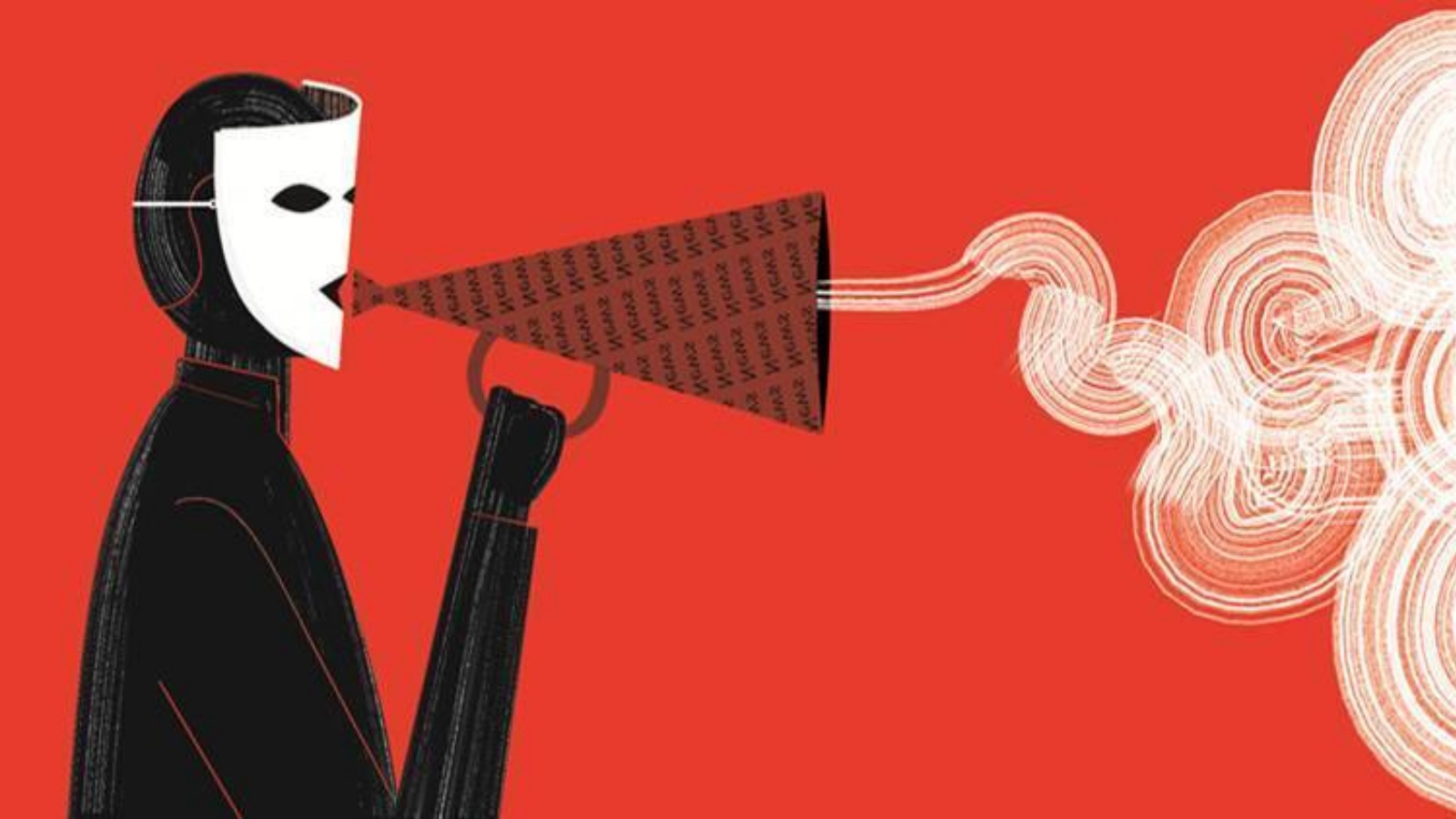
In a powerful commentary, veteran journalist Sagarika Ghose dissects the evolving landscape of Indian politics, characterizing it as a 'Republic of Abuse.' She argues that the current regime has mastered a subtle form of censorship: instead of merely arresting opponents, they use relentless caricature, misogyny, and verbal violence to render dissenters worthless in the eyes of the public.
The transition in the BJP's social media strategy marks a shift from traditional disinformation to a more coarse-tongued approach. By employing a team that uses profanity and personal attacks, the political machinery achieves exclusion without needing physical force. As Ghose points out, while physical violence incapacitates the body, violent language incapacitates the voice.
Why This Matters
BozokMedia analysis shows that the normalization of terms like 'Love Jihad' or 'Urban Naxal' creates a toxic ecosystem. When the state or its supporters use these labels, they stop engaging with the substance of an argument and instead turn the speaker into an object of ridicule, effectively killing the 'Republic of Ideas.'
Words are no longer just tools for description; in modern Indian politics, words have become the politics themselves.
The rhetoric used by Prime Minister Narendra Modi, such as the term 'dimagi Naxal' (mental Naxals), serves to isolate individuals from the national conversation. By labeling an arguer, the state removes the necessity for intellectual engagement, replacing debate with banishment and delegitimization.
This trend has successfully migrated from anonymous social media handles to the highest halls of Parliament. When lawmakers use slurs in the Lok Sabha, it provides a license for such behavior on the streets, bridging the gap between political rhetoric and social vandalism.
Frequently Asked Questions
1. What does the author mean by 'Republic of Abuse'?
It refers to a political environment where insults and toxic language replace constructive democratic debate.
2. How does labeling dissenters affect democracy?
Labeling dissenters as threats (e.g., 'Urban Naxals') allows the government to avoid addressing their arguments and justifies their social isolation.