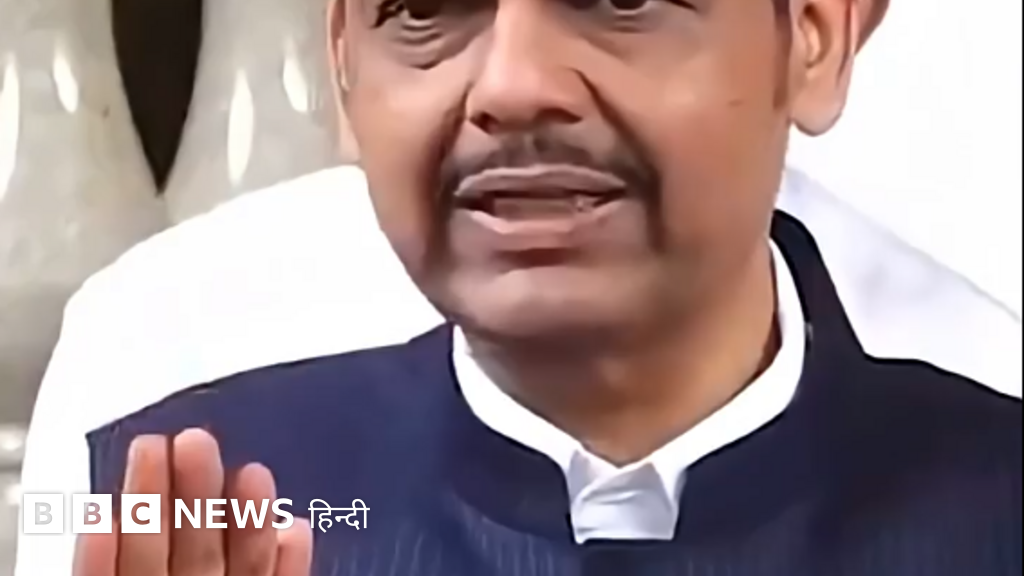
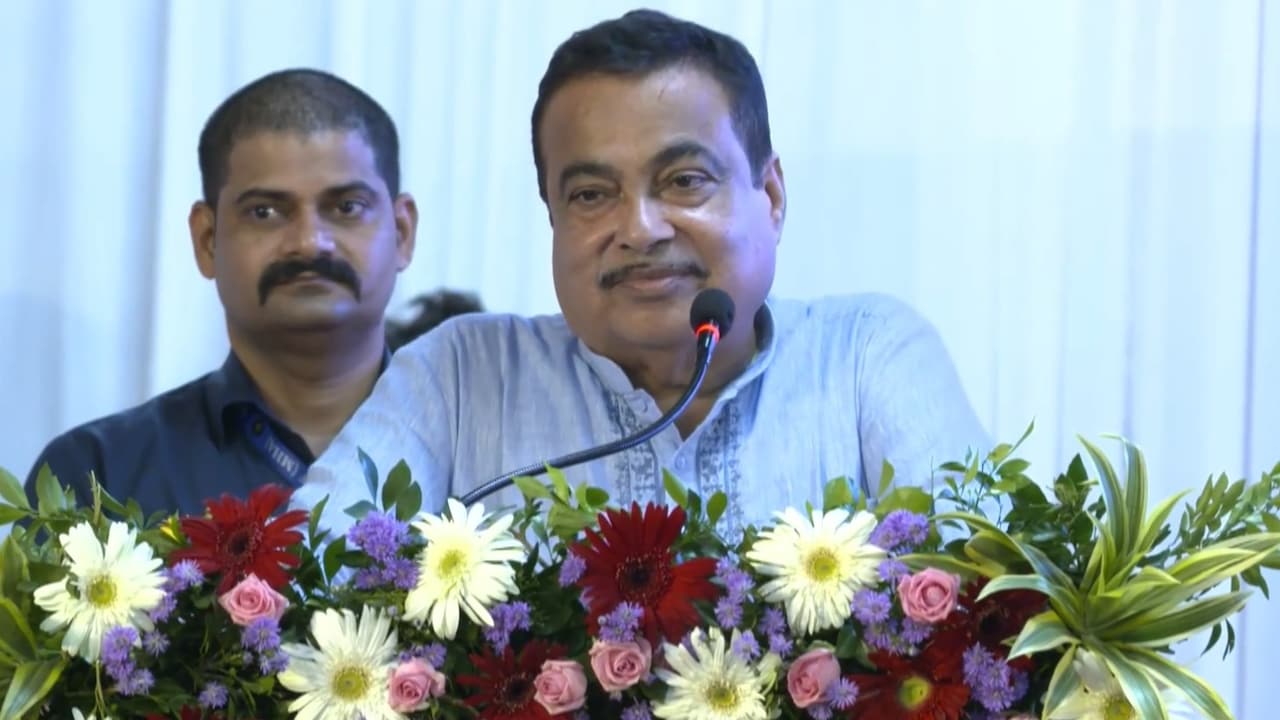
A political storm erupted in the Tamil Nadu Assembly as the DMK challenged the participation of Minorities Commission Chairman Felix Gerald in televised political debates, citing misuse of his statutory position.
- DMK member S. Austin raised concerns over Felix Gerald's political activities in TV debates.
- Allegations include the abuse of opposition members by a statutory authority.
- The Law Minister defended the right to participate as a personal choice.
Chennai: The Tamil Nadu Legislative Assembly witnessed a heated confrontation on Tuesday regarding the conduct of Felix Gerald, the Chairman of the Tamil Nadu Minorities Commission. Members of the ruling DMK raised serious objections to Mr. Gerald's frequent participation in television political debates, alleging that he uses these platforms to target and abuse members of the Opposition.
Raising the issue, DMK legislator S. Austin emphasized that Mr. Gerald holds a statutory post, which mandates a certain level of neutrality and decorum. Quoting Chapter II of the Tamil Nadu State Minorities Commission Act, 2010, Austin pointed out that the government possesses the authority to remove a chairperson if their continued presence in office is deemed detrimental to the public interest due to an abuse of position.
Why This Matters
BozokMedia analysis shows that this controversy touches upon the fundamental principle of institutional integrity. When individuals holding statutory roles engage in partisan political warfare, it risks undermining the perceived impartiality of the state institutions they represent, potentially alienating the very communities they are tasked to protect.
The distinction between a political activist and a statutory official must be maintained to preserve public trust in government institutions.
Speaker J.C.D. Prabhakar addressed the assembly, noting that the matter warrants careful consideration. He acknowledged the significant legal distinction between holding a statutory post and presiding over an ordinary board, suggesting that the assembly must deliberate on how to proceed with such grievances.
Defending the status quo, Law Minister R. Nirmalkumar argued that participation in media debates is an individual's prerogative. He maintained that unless a specific action is proven to be legally unlawful, it cannot serve as a basis for political debate. To provide context, the Minister cited the case of Dindigul Leoni, a former chairman of the Textbook and Educational Services Corporation, who also frequently engaged with opposition members.
Historical Background
Statutory bodies like the Minorities Commission are established by law to ensure the protection of rights for marginalized communities. Unlike political appointees in advisory roles, chairpersons of statutory commissions carry legal weight and are bound by specific legislative frameworks that govern their conduct and tenure.
Frequently Asked Questions
1. What is the core grievance of the DMK?
The DMK argues that a statutory official should not engage in partisan political debates or use such platforms to abuse opposition leaders.
2. What is the government's defense?
The government maintains that appearing on TV is a personal choice and does not constitute a legal violation unless specific laws are broken.