As energy price caps hit a three-year high, the UK faces a growing crisis. Experts warn that transparency regarding the true cost of the energy transition is vital to prevent political fallout.
- UK electricity bills are rising by 4% this October, hitting a three-year high.
- EDF projections suggest energy bills will remain stubbornly high through 2030.
- The wholesale cost of electricity now accounts for only 30% of total bills.
- Ofgem is facing criticism for a lack of medium-term cost transparency.
The energy crisis in the United Kingdom is intensifying, presenting a significant political challenge for the Labour government. With Ofgem announcing a price cap increase of 4% starting in October, households are facing the highest costs in three years. While Energy Secretary Miatta Fahnbulleh may point to volatile fossil fuel prices and Middle East instability, the underlying structural issues suggest a much longer-term struggle.
The problem is not merely the fluctuation of wholesale gas prices. Data from EDF, a major energy supplier, indicates that even if wholesale markets stabilize, consumer bills are unlikely to drop significantly. EDF projects that by 2030, bills will remain high, directly challenging former energy secretary Ed Miliband’s previous assertions that costs would be significantly reduced by the end of the decade.
Why This Matters
BozokMedia analysis shows that the composition of energy bills has fundamentally shifted. Today, the wholesale element represents only about 30% of an electricity bill. The remaining 70% is comprised of "non-commodity costs," including grid upgrades, carbon taxes, and renewable energy contracts. This shift means that traditional market fluctuations are no longer the primary driver of consumer costs.
The energy transition is not a free lunch; without radical transparency, the public will bear the brunt of the costs.
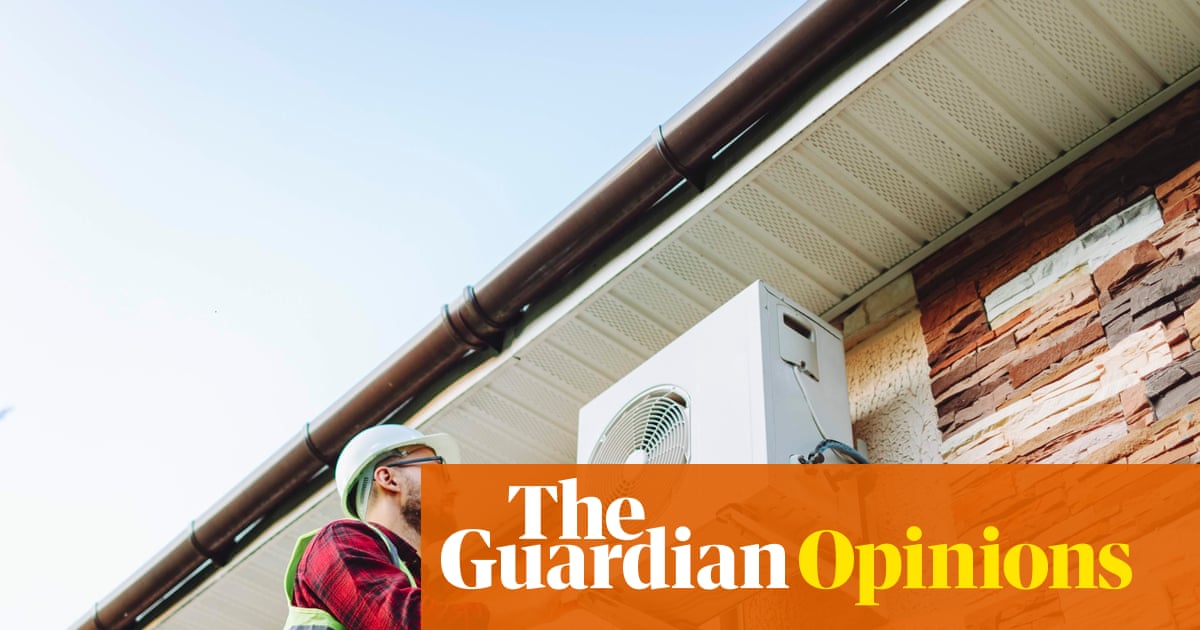
A major point of contention is the £70 billion program aimed at upgrading the national grid to accommodate new generation. There is a growing demand for Ofgem to provide medium-term forecasts. Without this transparency, businesses cannot accurately plan for large-scale transitions to technologies like heat pumps or electric vehicles, leading to a sluggish adoption rate.
| Metric | Current Status | 2030 Outlook |
|---|---|---|
| Wholesale Cost Share | ~30% | Expected to remain low relative to total |
| Grid Investment | £70bn program ongoing | High pressure on transmission costs |
| Heat Pump Adoption | 52,000 units (last year) | Needs massive scale-up |
Politically, the stakes are high. The Conservative opposition is already capitalizing on this uncertainty, proposing alternative energy mixes. For Labour, the challenge lies in balancing the ambitious 95% clean power target for 2030 with the fiscal reality of rising infrastructure costs. If the government cannot shift these transition costs into general taxation, the promise of "cheap clean power" may prove difficult to maintain.
Frequently Asked Questions
1. Why are energy bills rising despite renewable energy growth?
Answer: The costs of upgrading the grid and managing the complexity of weather-dependent energy are driving up non-commodity charges.
2. What is the role of Ofgem in this crisis?
Answer: Ofgem is the regulator responsible for setting price caps, but it is currently criticized for not providing enough long-term cost guidance to consumers.