Amid rising discontent among Gen Z voters in Maharashtra, CM Devendra Fadnavis has initiated 'dinner diplomacy' to resolve internal friction within the Mahayuti alliance. Key agreements have been reached regarding ministerial appointments and fund allocation.
- CM Devendra Fadnavis utilized 'dinner diplomacy' to resolve long-standing political and administrative disputes within the Mahayuti alliance.
- Consensus was reached on ministerial appointments, DPDC fund distribution, and filling 170 posts in various government corporations.
- In response to Gen Z protests, the government is shifting focus toward core sectors like education and healthcare.
- Alliance partners will contest upcoming local body and teacher constituency elections together.
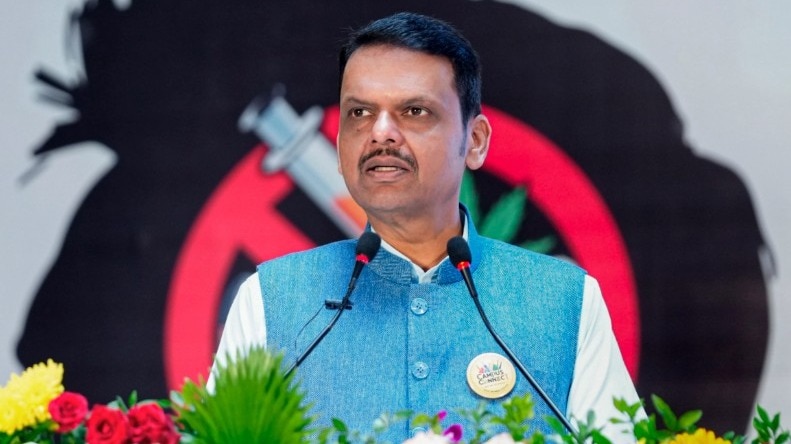
A significant political shift is underway in Maharashtra. Amidst growing discontent and recent protests by Gen Z youth, the ruling Mahayuti alliance is working aggressively to bridge internal divides. Chief Minister Devendra Fadnavis has launched a high-level effort to ensure better coordination among alliance partners.
The 'Dinner Diplomacy' Strategy
To resolve simmering tensions, Fadnavis hosted a late-night meeting at his official residence, 'Varsha'. This strategic gathering, dubbed 'dinner diplomacy' by political observers, aimed to address pending issues such as ministerial appointments, the distribution of District Planning and Development Committee (DPDC) funds, and appointments to various government corporations.
The proposed formula for filling approximately 170 positions in government corporations involves allocating seats based on the proportional strength of each party in the Legislative Assembly. This move is designed to maintain the delicate balance of power within the coalition.
The internal cohesion of Mahayuti is no longer just about power-sharing; it is a strategic necessity to counter the rising tide of youth-led political activism.
Why This Matters
BozokMedia analysis shows that the BJP’s strategy in Maharashtra is undergoing a fundamental pivot. While the party was previously focused on expanding its individual strength, the current socio-political climate—marked by youth unrest—has forced a shift toward strengthening the alliance to ensure stability in upcoming local and legislative council elections.
Addressing Gen Z Discontent
The government is facing unprecedented pressure from the younger demographic, particularly educated urban middle-class voters. Movements led by groups like the Cockroach Janta Party have amplified demands for institutional accountability. Consequently, the administration is recalibrating its priorities from massive infrastructure projects to essential services like education, healthcare, and social welfare.
| Issue | Previous Status | Proposed Solution |
|---|---|---|
| Ministerial Roles | Pending/Contested | Consensus-based appointments |
| Corporation Posts | Uneven distribution | Proportional to Assembly strength |
| Political Focus | Individual BJP growth | Alliance unity & social reforms |
Frequently Asked Questions
Question 1: What were the primary friction points in the Mahayuti alliance?
Answer: The main disputes involved the appointment of ministers, the allocation of DPDC funds, and the distribution of posts in government corporations.
Question 2: How is Gen Z influencing Maharashtra's governance?
Answer: Gen Z protests are pushing the government to move beyond infrastructure and focus more on systemic reforms in education and healthcare.