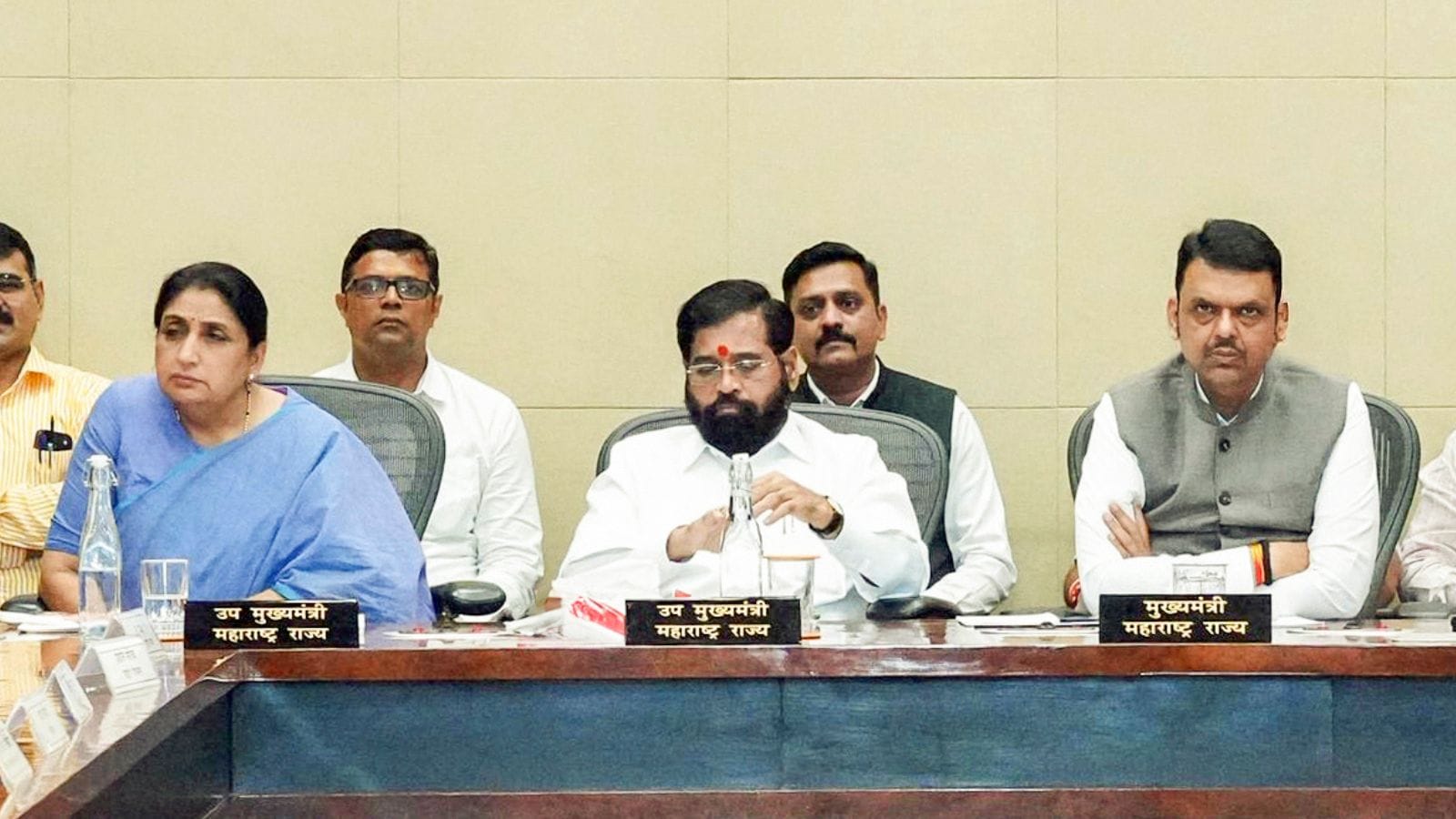
In a profound critique, Shashi Tharoor argues that while India's youth have successfully mobilized through digital-first movements, traditional opposition parties remain trapped in outdated, hierarchical structures.
- The 'Cockroach Janta Party' (CJP) movement represents a new era of digital-led civic mobilization in India.
- Traditional opposition parties suffer from 'top-down, quasi-feudal' hierarchies that exclude non-legacy youth.
- The core issues driving youth—exam leaks and unemployment—are being missed by mainstream political rhetoric.
- Structural democratization within parties is essential for survival in the new political landscape.
Prominent statesman Shashi Tharoor has issued a compelling analysis regarding the shifting tectonic plates of Indian politics. He posits that a new political energy has emerged, driven not by established party machineries, but by a frustrated and digitally savvy generation. The rise of the 'Cockroach Janta Party' (CJP) movement serves as a primary example of how youth are bypassing traditional gatekeepers to demand accountability.
Tharoor highlights how a moment of institutional condescension—where unemployed youth were metaphorically labeled as 'parasites'—backfired spectacularly. This insult was transformed into a satirical digital counter-offensive that seized the national narrative, eventually forcing significant government retreats. This phenomenon proves that the youth are no longer content being mere spectators or 'foot-soldiers' for senior leaders; they want to be co-creators of political change.
Why This Matters
BozokMedia analysis shows that the disconnect between traditional political arithmetic (caste and secularism) and the material anxieties of the middle class (jobs and education) is creating a massive vacuum. If the opposition fails to fill this void with substantive policy discourse, they risk total irrelevance.
The root of the Opposition’s inability to capture this energy lies in severe institutional bottlenecks and the gatekeeping inherent to quasi-feudal party hierarchies.
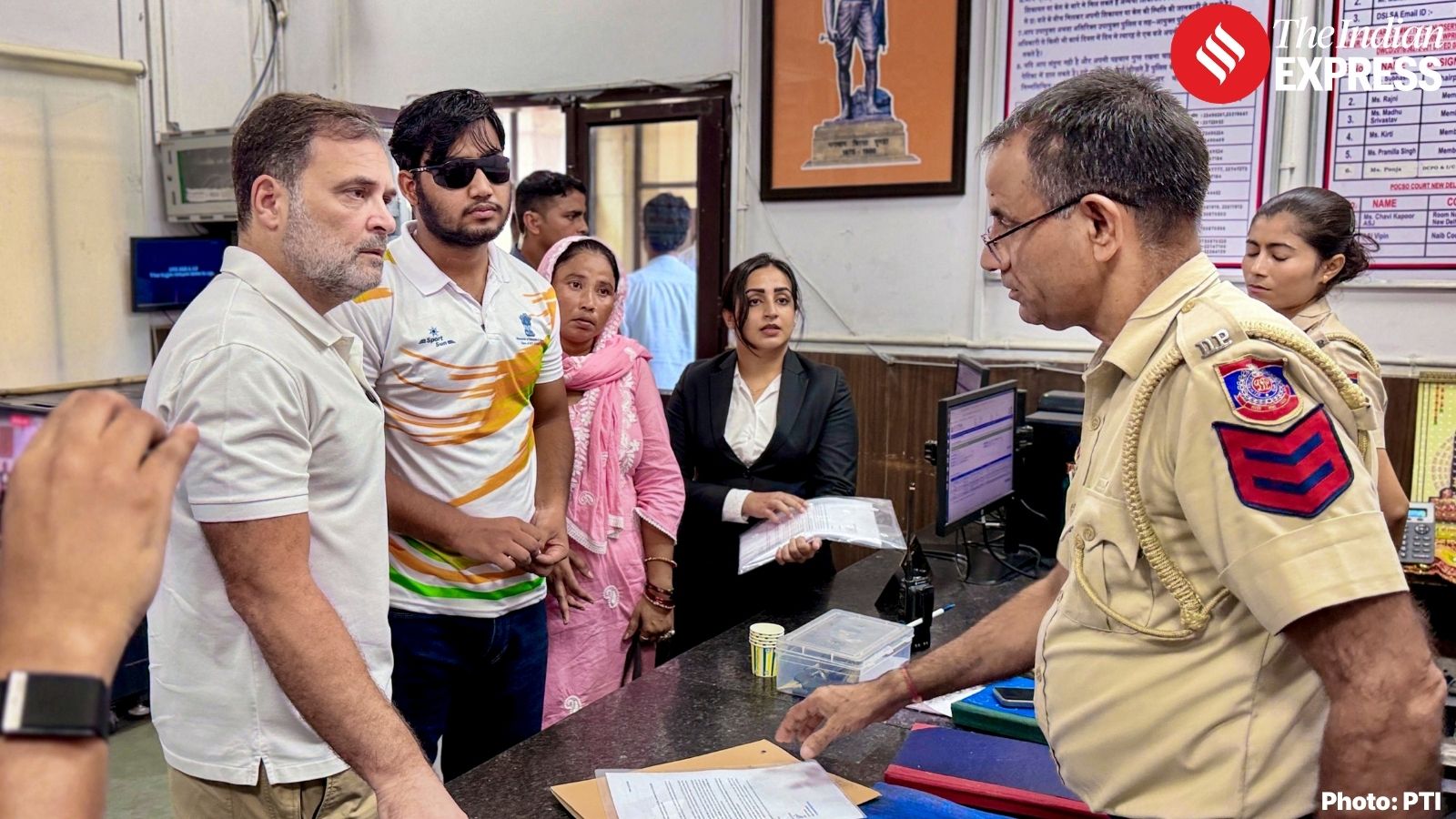
While Rahul Gandhi has made strides in connecting with the youth through direct engagement and empathy, Tharoor warns that symbolic gestures are not enough. The systemic issue is that most opposition parties operate on a 'high command' culture. This structure ensures that talented young individuals without political lineages are relegated to performing pre-approved photo opportunities rather than participating in meaningful decision-making.
Furthermore, the CJP movement succeeded where traditional parties failed because it utilized 'digital agility.' By embracing meme-driven irony and lowering the entry barrier to near zero, it gamified civic participation. In contrast, mainstream parties remain bogged down by rigid public relations processes and hierarchical decision-making that alienates the very demographic they need to win.
Historical Background
Historically, Indian political mobilization has relied heavily on caste-based voting blocs and organized labor unions. However, the current wave represents a departure from these traditional pillars, moving toward an identity defined by economic aspiration and digital connectivity.
Frequently Asked Questions
1. What is the main criticism Tharoor has for the Opposition?
He criticizes their top-down, hierarchical structure that prevents young, non-dynastic leaders from gaining influence.
2. How did the CJP movement impact Indian politics?
It shifted the national conversation toward exam paper leaks and unemployment, leading to high-level political resignations.