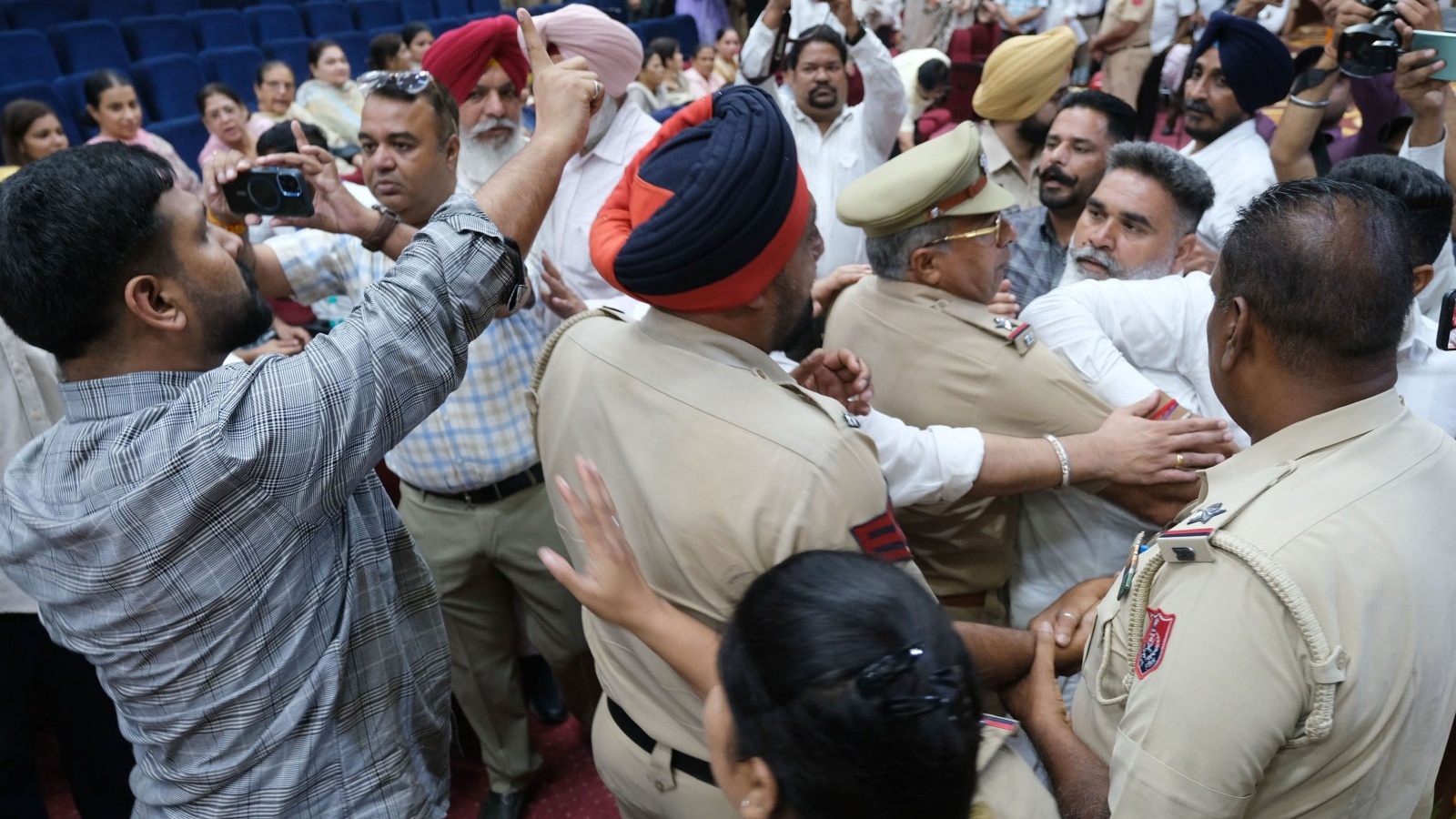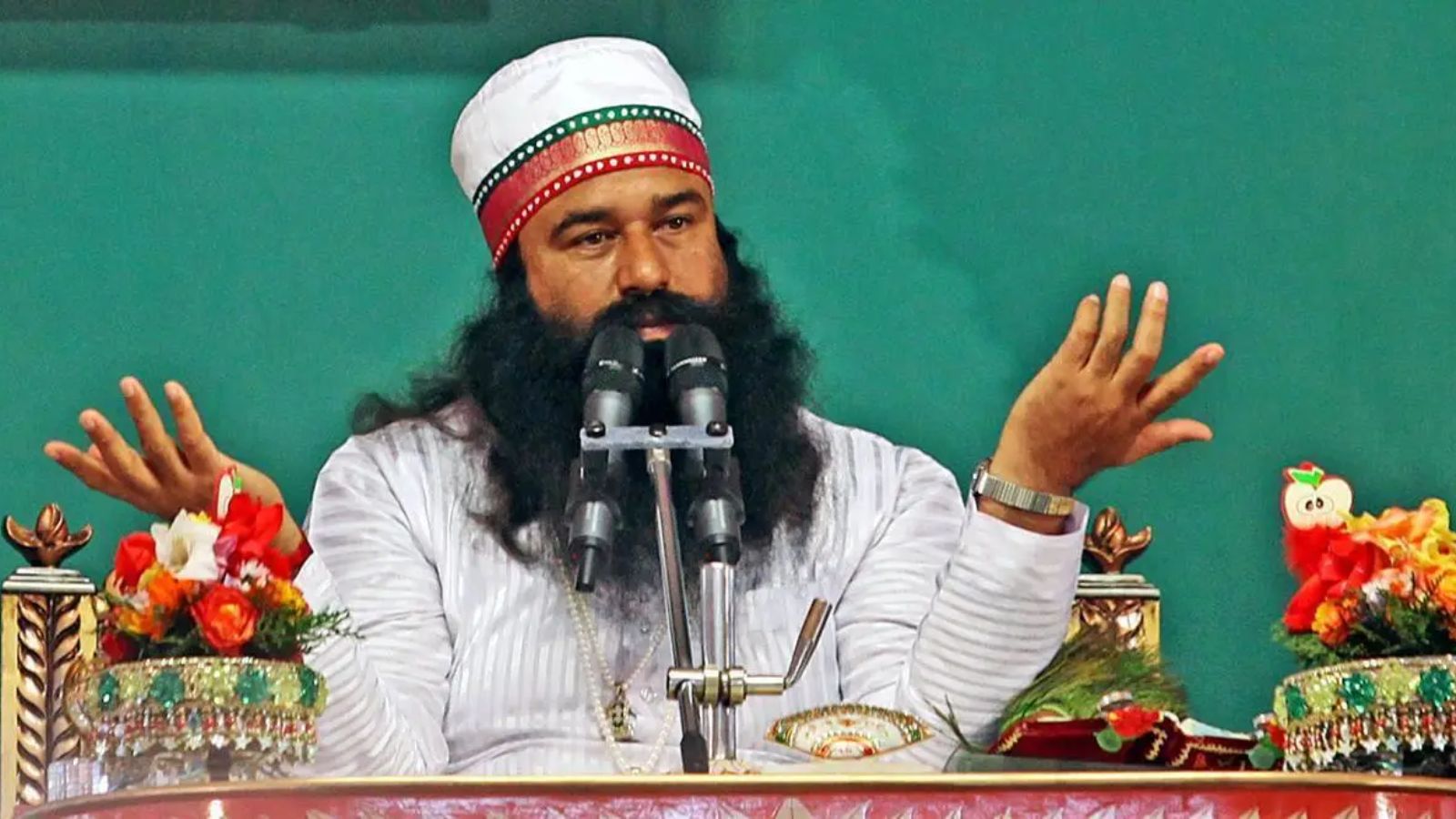
The release of Dera Sacha Sauda chief Gurmeet Ram Rahim on a 21-day furlough has ignited fury among Sikh organizations, who allege a 'double standard' in how parole is granted to convicts versus Sikh prisoners.
- Dera chief Gurmeet Ram Rahim released on 21-day furlough from Sunaria jail.
- This marks his 17th temporary release since his 2017 conviction.
- Sikh groups allege discrimination against 'Bandi Singhs' like Jagtar Singh Hawara.
- Protests continue in Punjab demanding parity in parole applications.
In a move that has reignited political and communal tensions in Punjab, Dera Sacha Sauda chief Gurmeet Ram Rahim Singh walked out of Haryana’s Sunaria jail on Tuesday. He has been granted a 21-day furlough, marking his third temporary release this year and his 17th since being convicted of rape in 2017. The convict, currently serving a 20-year sentence, will reside at the Dera headquarters in Sirsa during this period.
The release has drawn sharp criticism from various Sikh organizations, who argue that the legal system is exhibiting a glaring disparity. While Ram Rahim is granted frequent temporary leaves, Sikh prisoners—often referred to as 'Bandi Singhs'—continue to languish in prison despite completing their sentences or having valid humanitarian grounds for parole.
Why This Matters
BozokMedia analysis shows that this controversy transcends individual cases, touching upon the core principles of legal equality and administrative transparency. The perception of 'two types of laws'—one for certain high-profile convicts and another for others—threatens to deepen the trust deficit between marginalized communities and the state machinery.
The contrasting treatment of high-profile convicts and long-term prisoners creates a narrative of systemic bias that fuels social unrest.
Akal Takht Jathedar Giani Kuldip Singh Gargajj expressed outrage, comparing Ram Rahim's frequent outings to a 'picnic' while highlighting that Sikh prisoners remain incarcerated. A primary point of contention is Jagtar Singh Hawara, who is serving a life sentence for the 1995 assassination of former Punjab CM Beant Singh. Hawara has been repeatedly denied parole to visit his ailing mother, despite multiple applications.
The Quami Insaaf Morcha has been protesting in Chandigarh and Mohali since early 2023. Convener Pal Singh France pointed out the misuse of 'furlough' provisions, noting that while furlough is intended for emergencies like house repairs or agricultural needs, it is being used as a routine privilege for the Dera chief. He described the current situation as an endless cycle of 'passing the buck' between jail authorities and the administration.
Timeline of Ram Rahim's Releases
| Year/Period | Type of Release | Duration |
|---|---|---|
| 2020 | Parole | 1 Day |
| 2021 | Parole | 12 Hours |
| 2022 | Furlough/Parole | 21, 30, and 40 Days |
| 2023 | Parole/Furlough | 40, 30, and 21 Days |
| 2024 | Furlough | 50 Days |
The legal battle for Hawara has also seen significant movement. While the Punjab and Haryana High Court directed a time-bound procedure for his parole, the actual implementation has been marred by bureaucratic delays. Hawara recently declined a two-day custody parole, insisting on the 28-day regular parole he originally requested.
Frequently Asked Questions (FAQs)
1. What is the difference between parole and furlough?
Parole is a temporary release for specific reasons like meeting family, while furlough is often granted to prisoners who have served a significant portion of their sentence based on good conduct.
2. Why are Sikh groups protesting?
They are protesting against the perceived selective application of parole laws, specifically comparing the frequent releases of Ram Rahim to the denied parole of Sikh prisoners like Jagtar Singh Hawara.