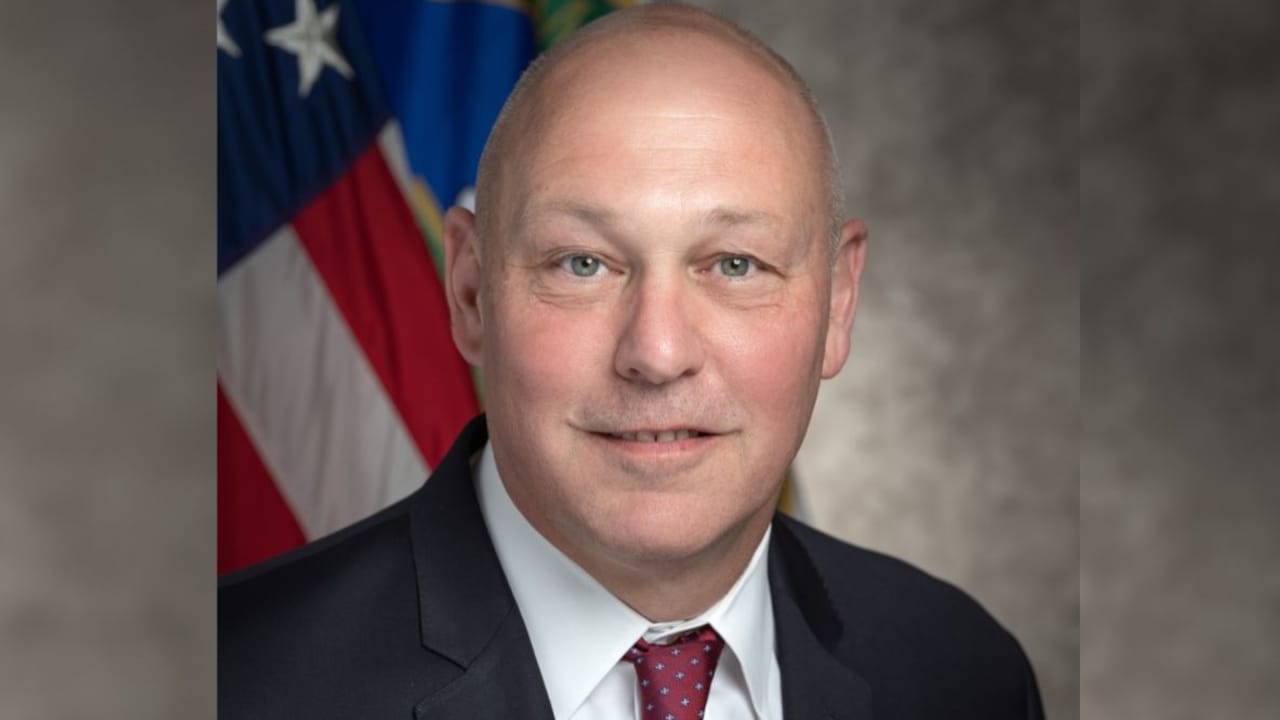
A major leadership shift has occurred within the Trump administration's AI safety office, with the top official resigning just 90 days into the role.
Key Takeaways
- The AI safety chief of the Trump administration has resigned.
- The resignation comes after only three months in office.
- Potential impact on US AI regulatory and safety frameworks.
WASHINGTON D.C.: In a sudden development that has sent ripples through the tech and political corridors, the head of the Trump administration's AI safety office has resigned. The departure comes after a brief tenure of just three months, marking another significant shake-up at the highest levels of the current administration's technological oversight body.
A Period of Administrative Volatility
As the world enters an era of unprecedented artificial intelligence advancement, the sudden vacuum in leadership at the US AI safety office raises critical questions about the administration's long-term strategy. The role, tasked with ensuring that AI development remains safe, ethical, and aligned with national security interests, requires consistent leadership to navigate the complex landscape of global tech competition.
Leadership instability in AI safety governance can lead to a regulatory vacuum that benefits bad actors and unregulated tech giants.
Why This Matters (इसके मायने क्या हैं)
BozokMedia analysis shows that this resignation is more than just a personnel change; it is a signal of potential friction between political objectives and technical governance. As AI becomes central to national defense, economic productivity, and cybersecurity, the ability of the US government to provide a steady hand in regulation is paramount. A lack of continuity could lead to fragmented policies that fail to keep pace with the rapid evolution of Large Language Models (LLMs) and autonomous systems.
For the general public, this matters because AI safety directly impacts data privacy, the authenticity of information (deepfakes), and the ethical deployment of automated systems in essential services. Without a stable leadership structure, the implementation of safeguards against AI-driven misinformation and systemic biases may be significantly delayed.
Historical Background
The governance of Artificial Intelligence has become a cornerstone of US foreign and domestic policy over the last decade. Following various executive orders and bipartisan calls for oversight, the US has sought to establish itself as the global leader in 'Responsible AI.' Historically, leadership transitions in technical agencies have often been fraught with tension between those advocating for rapid deregulation to fuel innovation and those calling for stringent safety guardrails to prevent existential risks.
| Aspect | Stable Governance | Current Instability |
|---|---|---|
| Policy Implementation | Rapid and Cohesive | Delayed and Fragmented |
| Global Tech Leadership | Strong and Decisive | Reactive and Uncertain |
| Regulatory Clarity | High | Low |
Frequently Asked Questions (अक्सर पूछे जाने वाले प्रश्न)
Question 1: How does this resignation affect AI regulation?
Answer: It creates a temporary void that may delay the rollout of new safety standards and oversight protocols.
Question 2: Will the Trump administration appoint a successor soon?
Answer: It is expected that the administration will seek a high-profile expert to fill the role to maintain technological momentum.