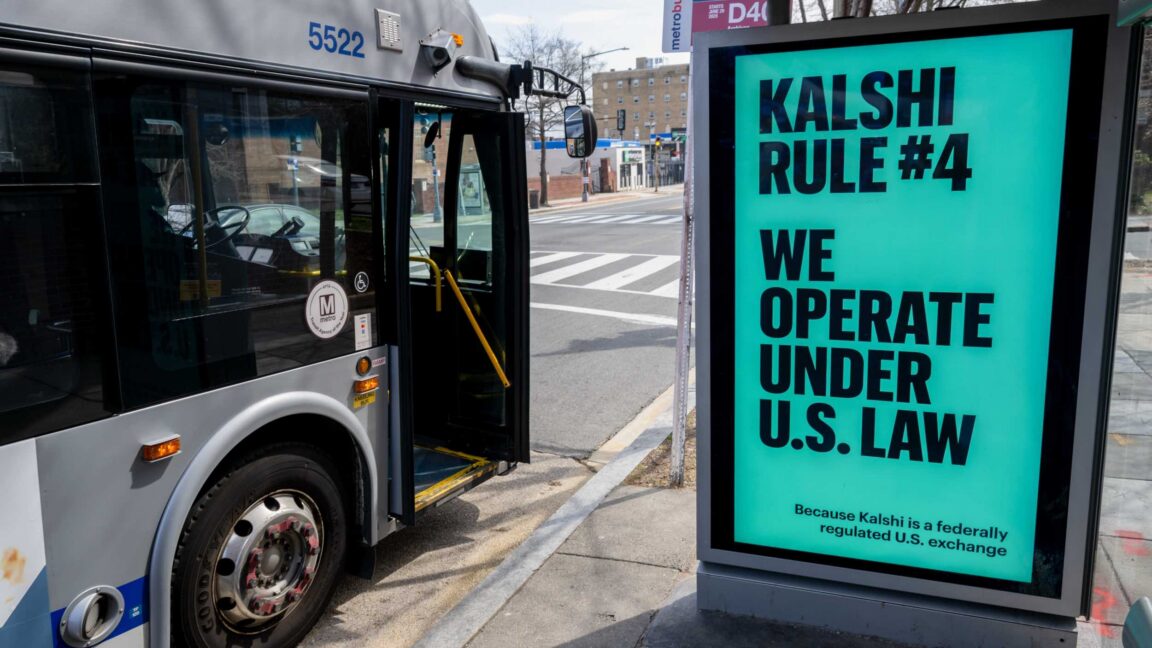
A federal appeals court has ruled that prediction markets like Kalshi cannot bypass state gambling laws by labeling sports bets as 'swaps.' This decision empowers states like Nevada to regulate these platforms strictly.
- The 9th Circuit Court unanimously ruled against Kalshi's attempt to evade state regulations.
- Judges rejected the argument that federal law preempts Nevada's gaming statutes.
- Platforms like Kalshi, Crypto.com, and Robinhood face increased regulatory scrutiny.
In a landmark decision that reshapes the landscape of prediction markets, a federal appeals court has ruled that Kalshi cannot evade state gambling laws by simply rebranding sports bets as "swaps." The US Court of Appeals for the 9th Circuit, comprised of three Trump-appointed judges, issued a unanimous decision that allows the state of Nevada to enforce its gaming regulations against such platforms.
For months, Kalshi has contended that its event contracts are financial derivatives, specifically "swaps," which fall under the jurisdiction of the federal Commodity Exchange Act. This distinction was crucial, as it would have shielded them from the stringent oversight and licensing requirements imposed by individual states. However, the court saw through this semantic distinction.
Why This Matters
BozokMedia analysis shows that this ruling sets a massive precedent for the intersection of FinTech and gambling. By categorizing these contracts as gambling rather than financial instruments, the court has closed a significant loophole that many high-frequency trading and prediction platforms were attempting to exploit to enter the sports betting market without traditional licenses.
The court has effectively signaled that the substance of a transaction matters more than its technical nomenclature.
The Nevada Gaming Control Board expressed immense satisfaction with the ruling, noting that the court "emphatically reject[ed]" the notion that federal law preempts Nevada's authority over sports-event contracts. This is a significant win for state-level regulators who have been fighting to maintain control over their gaming industries.
Nevada Governor Joe Lombardo, a prominent Republican, reinforced the decision, stating that prediction markets offering sports-event contracts constitute gambling and must comply with the state's established regulatory framework. This ruling doesn't just target Kalshi; it casts a long shadow over other major players like Crypto.com and Robinhood, who offer similar prediction-based products.
As the Trump administration continues to weigh in on how prediction markets should be regulated at a federal level, this judicial decision provides immediate clarity for state governments. The era of unregulated "financial-style" sports betting may be coming to an abrupt end.
Frequently Asked Questions
Question 1: Why did Kalshi call their bets "swaps"?
By calling them swaps, Kalshi hoped to classify them as financial derivatives under federal law, thereby avoiding state-level gambling taxes and regulations.
Question 2: Which companies are affected by this ruling?
While the ruling specifically addressed Kalshi, it sets a precedent that will directly impact any platform offering sports-related event contracts, including Crypto.com and Robinhood.