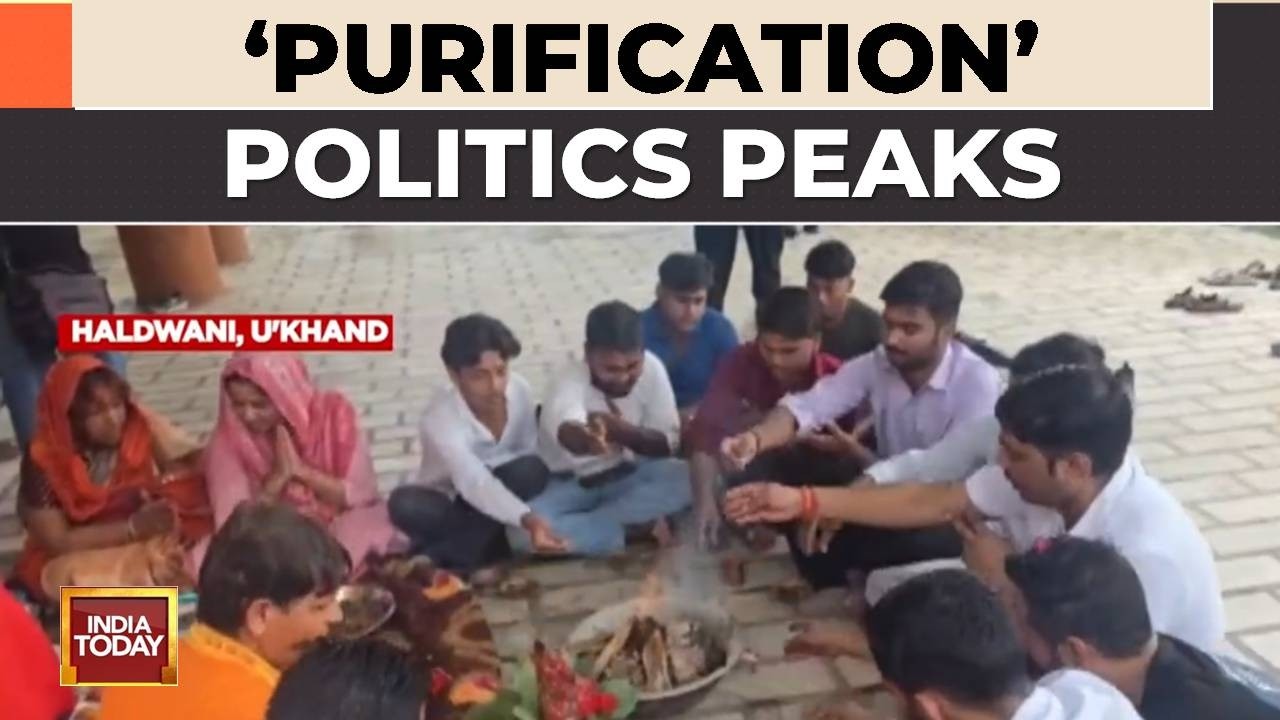
A controversial purification ritual in Uttarakhand has sparked intense criticism against the BJP and RSS, with activists demanding immediate FIRs under the SC/ST Act.
- A recent purification ritual in Uttarakhand has ignited social and political unrest.
- The BJP and RSS are facing backlash for their perceived response to the incident.
- There are widespread demands for registration of FIRs under the SC/ST Prevention of Atrocities Act.
The state of Uttarakhand is currently witnessing a significant social upheaval following a controversial purification ritual. The incident has transcended local boundaries, drawing intense scrutiny from civil rights activists and political commentators who argue that such practices undermine the constitutional fabric of the nation.
Political Backlash and Social Unrest
The controversy has primarily centered on the perceived inaction or soft stance of the Bharatiya Janata Party (BJP) and the Rashtriya Swayamsevak Sangh (RSS) regarding the ritual. Critics argue that by not condemning the act swiftly, these organizations are inadvertently allowing social hierarchies to be reinforced through religious pretexts. This has led to widespread protests across several districts.
Why This Matters
BozokMedia analysis shows that incidents of this nature in the Himalayan state can have profound implications for social cohesion and political stability. As regional identities and caste dynamics intersect, the handling of such rituals becomes a litmus test for the administration's commitment to secularism and social justice.
Legal scholars suggest that any ritual targeting specific communities can be interpreted as a direct violation of fundamental rights guaranteed under the Constitution.
The core of the legal battle lies in the demand for criminal proceedings. Activists and community leaders are insisting that the police register a First Information Report (FIR) under the Scheduled Castes and the Scheduled Tribes (Prevention of Atrocities) Act. They maintain that the ritual was not merely a religious ceremony but an act of systemic humiliation.
Historical Background
Historically, India has struggled with the intersection of religious practice and caste-based discrimination. While the Indian Constitution, through Article 17, abolished untouchability, local-level rituals often attempt to re-establish traditional hierarchies, leading to frequent legal and social confrontations between progressive movements and conservative elements.
Frequently Asked Questions
Question 1: What sparked the current controversy in Uttarakhand?
Answer: The controversy was triggered by a purification ritual that was perceived as discriminatory and offensive to certain communities.
Question 2: What is the main legal demand being made?
Answer: Activists are demanding that the authorities file an FIR under the SC/ST Act to ensure strict legal accountability.