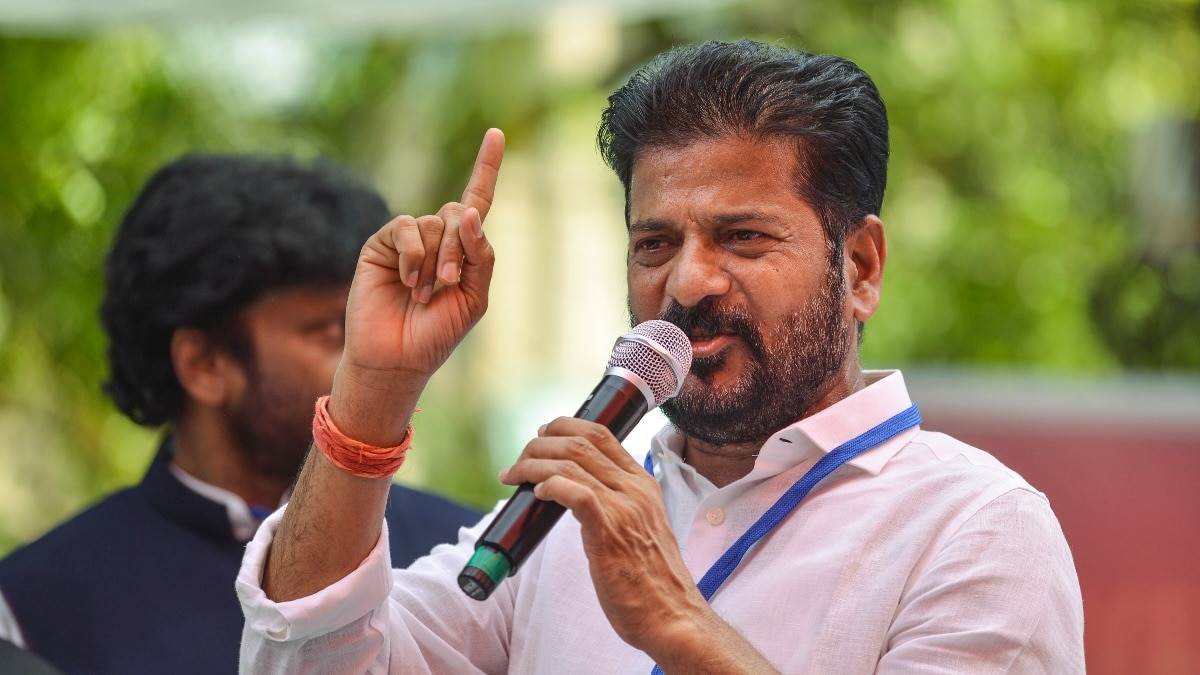
Telangana Chief Minister A. Revanth Reddy has urged the Election Commission to extend the voter roll objection window by four weeks to protect the rights of migrant workers and daily wagers.
- CM Revanth Reddy requested a 4-week extension for filing claims and objections in the SIR process.
- Focus on protecting voters in the ASDD (Absent, Shifted, Dead, Duplicate) category.
- Emphasis on providing more time for migrant workers and daily wage earners to gather documents.
- Proposal to use Gram Sabhas and Ward Committees to identify omissions.
In a significant move to ensure electoral inclusivity, Telangana Chief Minister A. Revanth Reddy has formally requested the Election Commission to extend the Special Intensive Revision (SIR) claims window by four weeks. In a letter addressed to Chief Election Commissioner Gyanesh Kumar, the Chief Minister emphasized that the current timeline is insufficient for a state-wide exercise of this magnitude.
The current schedule for filing claims and objections runs from August 17 to September 16, with the final publication slated for September 19. Reddy argued that this window is too narrow, particularly for voters categorized under the ASDD (Absent, Shifted, Dead, and Duplicate) class. These individuals require adequate time to verify their status and submit Form 6 claims to prevent wrongful deletion from the rolls.
Why This Matters
BozokMedia analysis shows that the integrity of voter rolls is a cornerstone of democracy. Any procedural lapse that results in the mass deletion of legitimate voters—especially marginalized groups like migrant laborers—can lead to significant disenfranchisement and political instability during upcoming elections.
A robust electoral roll must be inclusive; rushing the verification process risks sidelining the very citizens who need administrative support the most.
The Chief Minister also proposed a grassroots approach to error correction. Citing the Election Commission's own manual, he suggested that draft rolls should be read aloud at Gram Sabhas in rural areas and at ward committee meetings in urban centers. He urged District Election Officers to convene these meetings at least twice to ensure maximum visibility and accuracy.
Furthermore, Reddy highlighted the plight of daily wage earners and migrant workers, who often struggle to collect necessary documentation within a week of receiving a notice. To mitigate this, he suggested setting up dedicated help desks in urban districts and requested a wider list of acceptable documents, noting that the current restrictions on Family Register Certificates might hinder many legitimate voters.
Historical Background
Voter roll revision in India is a critical constitutional exercise conducted by the Election Commission to maintain an updated list of eligible electors. In states like Telangana, where migration patterns are high, ensuring that the 'shifted' or 'absent' categories are handled with precision is vital to prevent political disputes over voter disenfranchisement.
Frequently Asked Questions
1. Why is the Chief Minister asking for an extension?
To ensure that vulnerable populations, such as migrant workers, have enough time to gather documents and rectify errors in the voter list.
2. What is the ASDD category in voter rolls?
It stands for Absent, Shifted, Dead, and Duplicate, representing voters who need to be verified or removed.