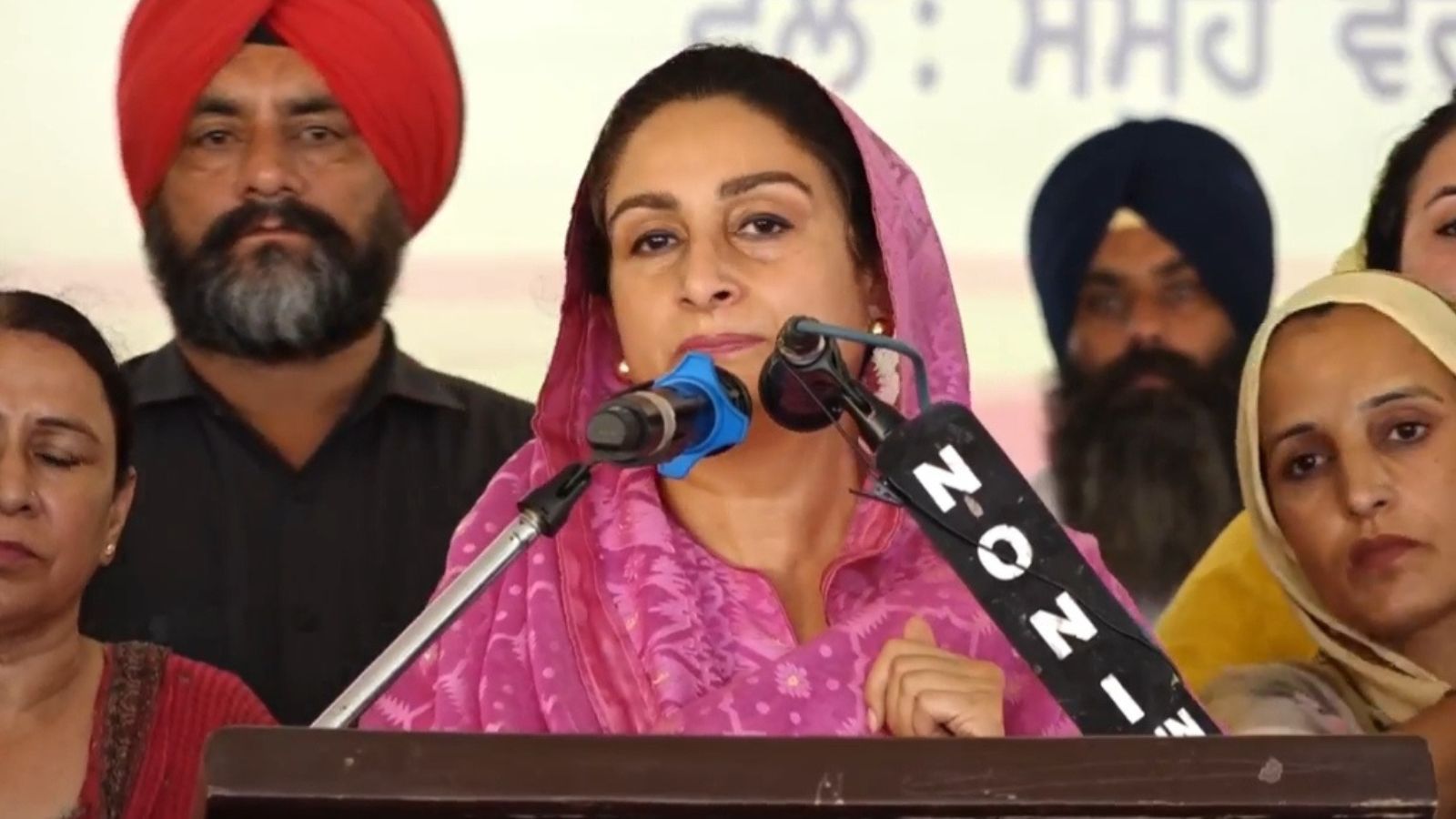
Despite public assertions of contesting solo, behind-the-scenes talks for an alliance between the BJP and Sukhbir Badal's Shiromani Akali Dal (SAD) continue in Punjab. Shifting voter demographics, high-profile party defections, and ideological friction present significant challenges to reviving their historic partnership ahead of the 2027 Assembly elections.
- Behind-the-scenes negotiations between the BJP and Shiromani Akali Dal (SAD) are active despite public claims of contesting solo in Punjab.
- The political landscape has shifted dramatically since their 2020 split, with massive leader defections from SAD to BJP.
- Vote share dynamics from the 2024 Lok Sabha elections show BJP rising to 18% while SAD plunged to 13%, altering the bargaining power.
Punjab's political landscape is witnessing intense maneuvering. Although BJP leaders publicly maintain that the party will contest all 117 Assembly seats on its own in the 2027 elections, behind-the-scenes talks for an alliance with the Sukhbir Badal-led Shiromani Akali Dal (SAD) are actively continuing. The push for a renewed alignment is primarily coming from the Akali camp, with senior leaders like Harsimrat Kaur Badal and Bikram Singh Majithia advocating for a reunion.
Shifting Political Ground and Historical Context
Historically, the SAD-BJP alliance was a formidable social coalition. The BJP represented the urban Hindu voter base, while the SAD commanded the rural Sikh peasantry. This complementary relationship ensured they rarely competed for the same votes, making it a highly successful electoral partnership. However, the political reality of Punjab has undergone a tectonic shift since the SAD walked out of the NDA in September 2020 in protest against the now-repealed central farm laws.
Since the split, a slew of senior Akali leaders have crossed over to the BJP. In the Majha region—a traditional SAD stronghold—prominent figures like Amarpal Bony and Manjeet Singh Manna have defected. Furthermore, several former Congress leaders, including Ravneet Singh Bittu and Kewal Dhillon, have also joined the BJP. This influx of diverse leaders makes a shared political stage with Sukhbir Badal a public relations challenge for both parties.
Why This Matters
A BozokMedia analysis shows that the realignment of political forces in Punjab could redefine the state's communal and social harmony. The traditional peace-building narrative of the SAD-BJP alliance, which united Sikh and Hindu communities under one political umbrella, is currently under severe strain. With the rise of alternative forces like the Aam Aadmi Party (AAP) and radical factions, the moderate space is shrinking, making this alliance a high-stakes gamble for both parties.
The 2024 Lok Sabha election results highlighted the changing power dynamics. While the BJP did not win any seats in Punjab, its vote share doubled from 9% to 18%. Conversely, the Akali Dal won only one out of 13 seats, and its vote share plummeted from 27% to 13%. This shift has given the BJP a significant upper hand in alliance negotiations.
| Metric / Party | BJP (2024 Lok Sabha) | SAD (2024 Lok Sabha) |
|---|---|---|
| Seats Won | 0 | 1 |
| Vote Share % | 18% (Doubled from 9%) | 13% (Plunged from 27%) |
| Primary Target Voter | Urban Hindus, Dalits | Rural Sikhs |
"The fundamental challenge is no longer just mathematical seat-sharing, but the chemical bonding of two divergent voter bases that have drifted apart since the farm laws agitation." - Political Analyst
The ultimate test for the potential alliance lies in the transfer of votes. Will rural Sikh voters, who felt alienated by the BJP during the farmers' protests, transfer their support to BJP candidates? Similarly, will urban Hindu voters fully trust the Akali Dal again? Resolving these questions is critical for both parties to mount a formidable challenge in 2027.
Frequently Asked Questions
Q1: Why did the BJP and SAD alliance break in 2020?
A1: The alliance broke in September 2020 when the Shiromani Akali Dal walked out of the National Democratic Alliance (NDA) in protest against the three controversial central farm laws, which were later repealed.
Q2: What is the main hurdle in reviving the alliance today?
A2: The main hurdles include significant leadership defections to the BJP, altered vote shares from the 2024 elections, and the difficulty of ensuring seamless vote transfer between Hindu and Sikh electorates.