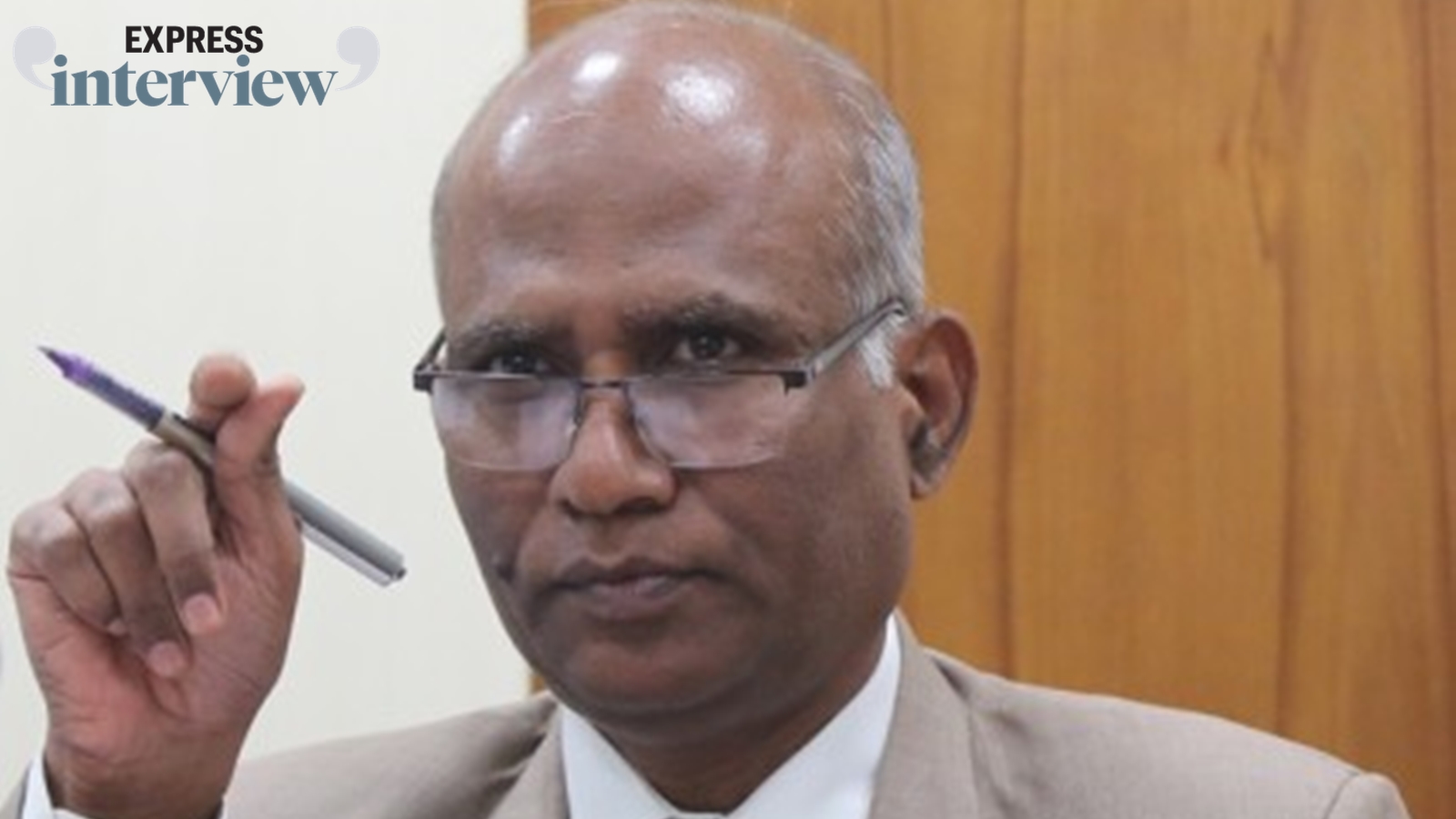
Maharashtra CEO S Chockalingam clarifies that the 2.07 crore uncollected enumeration forms do not mean voters are permanently removed. He urges citizens to verify the draft electoral roll and use official forms for corrections.
- 2.07 crore enumeration forms were uncollected during the Special Intensive Revision (SIR).
- The current list is a 'Draft' and not the final electoral roll.
- Voters can use Form 6 for inclusion, Form 7 for deletion, and Form 8 for corrections.
- Discrepancies may arise due to urban working hours and voter unavailability during BLO visits.
The publication of the draft electoral roll under the Special Intensive Revision (SIR) in Maharashtra has sparked significant concern regarding the status of approximately 2.07 crore voters. Following reports that enumeration forms for these individuals could not be collected, questions have arisen about mass deletions from the voter rolls. However, Maharashtra Chief Electoral Officer (CEO) S Chockalingam has stepped in to provide clarity, emphasizing that these figures represent a stage in the process rather than a final exclusion.
Breakdown of Uncollectable Forms
The categorization of the 2.07 crore uncollectable enumeration forms (EFs) is complex. According to the CEO, the breakdown is as follows:
| Category | Estimated Number |
|---|---|
| Absent/Not Found | 75.52 Lakh |
| Permanently Shifted | 76.80 Lakh |
| Deceased | 34.81 Lakh |
| Duplicate/Enrolled Elsewhere | 17.63 Lakh |
| Others | 2.23 Lakh |
The CEO explained that the 'Absent/Not Found' category includes individuals whom Booth Level Officers (BLOs) attempted to visit at least three times without success. He noted that in urban environments, many citizens are unavailable during standard working hours, which can lead to such classifications.
Why This Matters
BozokMedia analysis shows that the integrity of the electoral roll is paramount to a functioning democracy. Large-scale discrepancies in voter data can lead to disenfranchisement, particularly among urban working populations and migrant laborers. This revision exercise is a delicate balance between cleaning up outdated data and ensuring that every eligible citizen retains their fundamental right to vote.
'We are not claiming 100 per cent accuracy at this stage; the August 31 roll is only a draft, and there is a full claims and objections process.' - S Chockalingam, CEO Maharashtra.
Historical Background: Electoral roll revisions in India are periodic exercises aimed at removing deceased voters, duplicate entries, and those who have migrated. The introduction of centralized mapping and digital verification has increased accuracy, but the physical verification by BLOs remains a critical, albeit challenging, human element in the process.
What Voters Should Do Now
The CEO has issued a strong appeal to all citizens to verify their details in the draft list published on district collector websites. If errors are found, the following legal mechanisms are available:
- Form 6: For new voter inclusion.
- Form 7: For objecting to or requesting the deletion of a name.
- Form 8: For correcting existing details or modifications.
Frequently Asked Questions
Question 1: Is the 2.07 crore figure the final list of deleted voters?
Answer: No. This is a draft based on uncollectable forms. Voters have one month to submit claims and objections before the final roll is published.
Question 2: What happens if my Aadhaar and Voter ID details don't match?
Answer: In cases of discrepancy, a paper-based process must be followed to ensure the records are synchronized correctly.