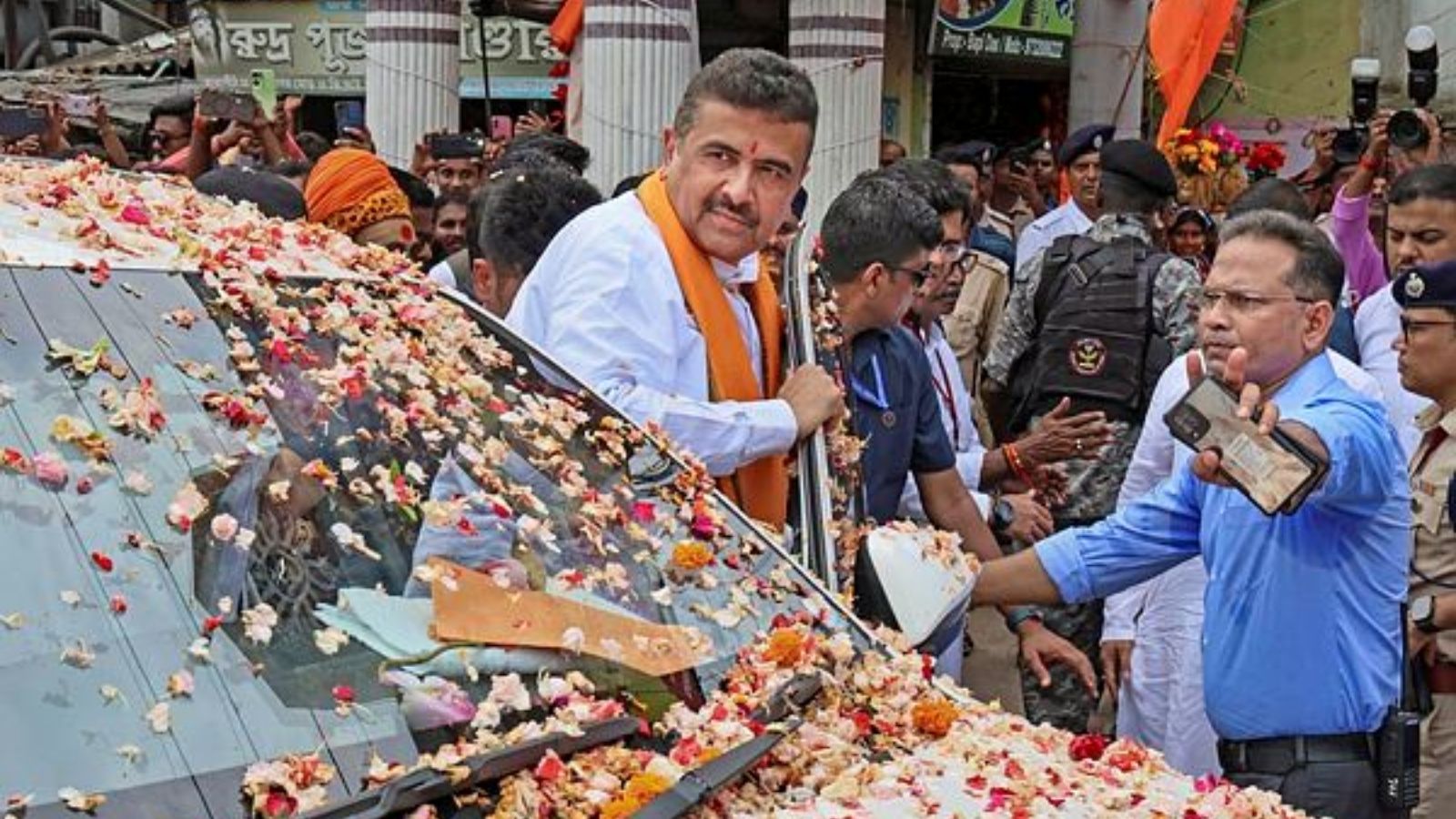
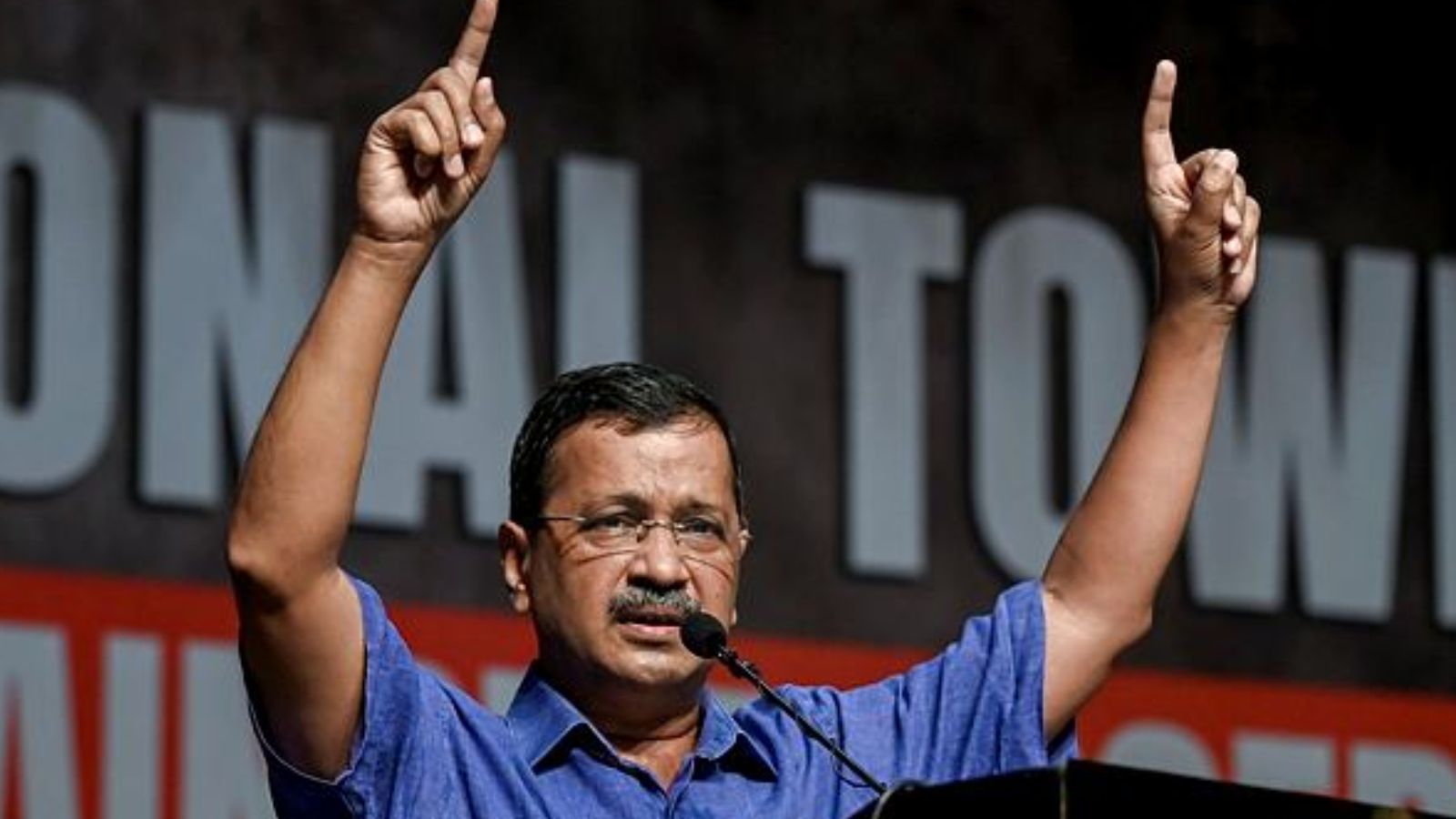
The appointment of Iftikhar Gilani as Prime Minister of PoK has reignited debates over electoral legitimacy and the overarching influence of Pakistan's military establishment over the region.
- Iftikhar Gilani assumed the premiership despite losing his general election seat.
- The decision was finalized in Islamabad during a high-level meeting with Shehbaz Sharif.
- The move underscores the dominance of the Pakistani 'Establishment' over electoral mandates.
- PoK has witnessed severe unrest recently, with nearly 89 civilian casualties reported.
The political landscape of Pakistan-occupied Kashmir (PoK) has once again highlighted the pervasive influence of the 'Islamabad factor.' The recent appointment of Iftikhar Gilani as the so-called Prime Minister has brought the critical question of electoral legitimacy back to the forefront of political discourse. This development serves as a stark reminder of the institutional domination exercised by the Pakistani civilian executive and military establishment over PoK's internal governance.
For decades, the autonomy promised to PoK under its constitutional arrangements has remained a facade. Former administrators have candidly admitted that the federal government in Islamabad is deeply embedded in the region's administrative structures, leaving very little room for actual self-governance. The current crisis is perhaps the most visible manifestation of this systemic control since the 1947 Partition.
The 2026 election results presented a clear mandate for the PML-N, which won 25 of the 45 directly elected seats. However, the party bypassed candidates with actual electoral victories to appoint Iftikhar Gilani. Mr. Gilani, who lost his contest in Muzaffarabad, re-entered the Assembly through a seat reserved for professionals and technocrats. His subsequent rise to the premiership was not a result of public will, but a directive from the top.
Why This Matters
BozokMedia analysis shows that this appointment creates a dangerous political paradox. By elevating a candidate who was rejected by the voters, the Pakistani establishment is signaling that parliamentary majorities are irrelevant compared to the approval of the military. This erosion of democratic norms is likely to fuel further instability and public resentment in a region already reeling from violent protests.
"In the Pakistani political ecosystem, electoral mandates do not determine outcomes; the endorsement of the military establishment remains the sole prerequisite for survival."
The process behind Gilani's nomination is particularly telling. A meeting in Islamabad involving Prime Minister Shehbaz Sharif and senior PML-N figures decided the outcome. Reportedly, when senior PoK leaders protested the decision, they were reminded of the fate of previous PML-N governments in Pakistan that were ousted despite holding two-thirds majorities. This served as a veiled warning that defiance of the 'Establishment' leads to political oblivion.
This political turmoil unfolds against a backdrop of unprecedented unrest. For nearly three months, PoK has been rocked by protests that have claimed dozens of lives. While Jammu and Kashmir has traditionally dominated international headlines, the current situation in PoK reveals a region struggling under the weight of external imposition and internal collapse.
Frequently Asked Questions
1. Who is Iftikhar Gilani and why is his appointment controversial?
He is a PML-N leader who lost the general election in Muzaffarabad but was appointed Prime Minister after entering the Assembly via a reserved seat, bypassing elected winners.
2. What is the 'Islamabad Factor' mentioned in the context of PoK?
It refers to the combined influence of Pakistan's civilian government and military establishment, which effectively controls PoK's political and administrative decisions.