As the Jammu and Kashmir government struggles with limited executive powers, internal divisions among Kashmiri leaders risk undermining the fight for statehood and dignity. A unified political front is essential to navigate the complex relationship with New Delhi.
- Internal divisions between Omar Abdullah and other Kashmiri leaders weaken the push for federal guarantees.
- The Lieutenant Governor's office continues to hold disproportionate power over the elected government.
- Lack of local political input in security decisions can lead to tactless administrative actions that alienate the public.
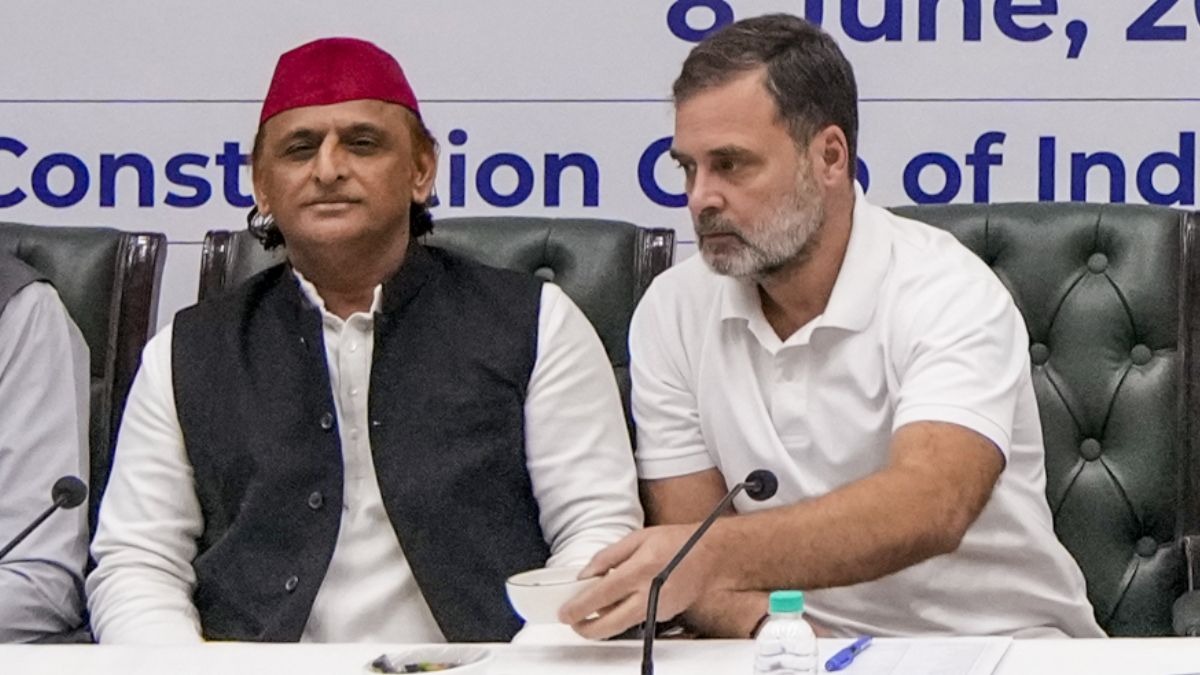
The political landscape of Jammu and Kashmir currently finds itself at a precarious crossroads. In July 2026, Chief Minister Omar Abdullah and his cabinet attempted to protest in New Delhi to demand the restoration of federal guarantees, only to be denied permission to gather at Jantar Mantar. This event, followed by separate programs by Mehbooba Mufti and MP Ruhullah Mehdi, highlighted a glaring lack of cohesion among the region's top leadership.
Since taking office in October 2024, Omar Abdullah has adopted a strategy of calibrated navigation, attempting to repair ties with the Central Government to negotiate a respectable arrangement. However, this pragmatic approach has been branded as 'pusillanimous' by his political rivals in Srinagar. These critics argue that the only acceptable goal is the full reversal of the August 5, 2019, legislation that revoked the region's semi-autonomous status.
Why This Matters
BozokMedia analysis shows that the current fragmentation of the Kashmiri leadership creates a strategic vacuum. While ideological purity is prized in online echo chambers, the reality is that a divided opposition is easily ignored by New Delhi. At a time when the broader Indian Opposition is hesitant to engage deeply with the 'Kashmir question,' the local leadership's inability to present a united front significantly diminishes their bargaining power.
The structural tension is exacerbated by the role of the Lieutenant Governor (LG). Despite high voter turnout in recent elections to end bureaucratic rule, the LG's office continues to wield significant executive power. This creates a confusing governance structure where the elected representatives are effectively disempowered, eroding the very essence of participatory democracy.
The disarming of elected legislators not only undermines federalism but risks severing the vital connection between the people and the democratic process in a fragile security zone.
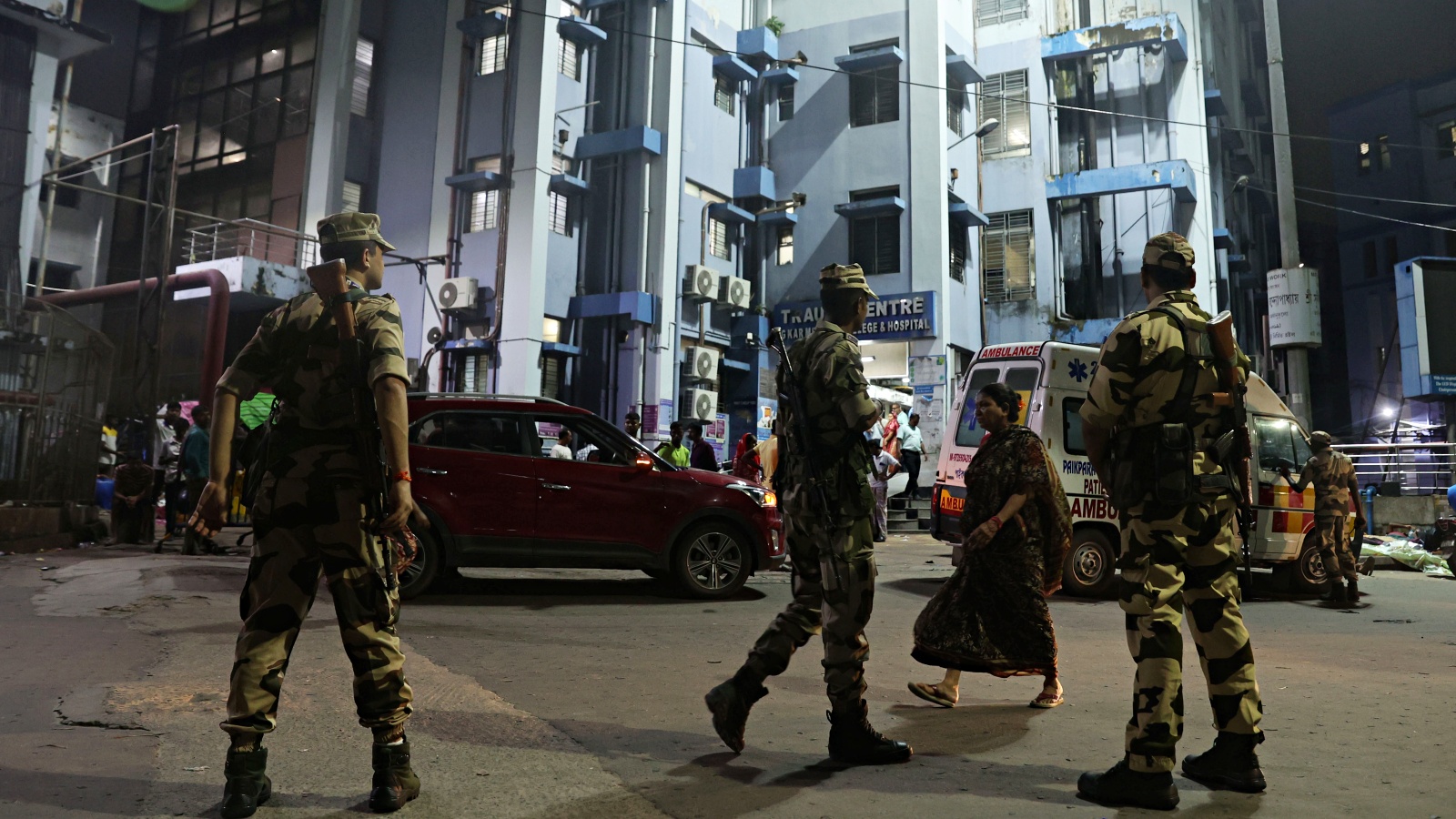
The dangers of this arrangement are most evident in security and law-and-order decisions. Non-local bureaucrats advising the LG often lack an understanding of the region's complex political topography. A poignant example occurred after the Baisaran terrorist attack in April 2025, where the razing of houses in Guri Thukarpora—a village historically known for being pro-India—showed a lack of tact and local insight that an empowered elected government could have mitigated.
Historical Background
Since the revocation of Article 370 in 2019, Jammu and Kashmir has transitioned from a state to a Union Territory. This shift centralized power in New Delhi, removing the special status that allowed the region to have its own constitution and flag. The transition has been marked by periods of intense security lockdowns and a gradual return to electoral politics, though the promise of full statehood remains unfulfilled.
Governance Power Shift
| Feature | Pre-2019 Era | Current Status (Post-2019) |
|---|---|---|
| Administrative Status | State with Special Status | Union Territory |
| Executive Power | Chief Minister / State Cabinet | Lieutenant Governor (LG) |
| Legislative Autonomy | High (Article 370) | Limited / Centralized |
Frequently Asked Questions
Q1: Why is political unity important for Kashmir right now?
Unity is crucial because the Central Government is less likely to grant statehood or federal guarantees to a fractured leadership that cannot agree on a common strategy.
Q2: What is the role of the Lieutenant Governor in J&K?
The LG acts as the representative of the Center and currently holds significant executive powers, often overshadowing the elected Chief Minister in key decision-making areas.