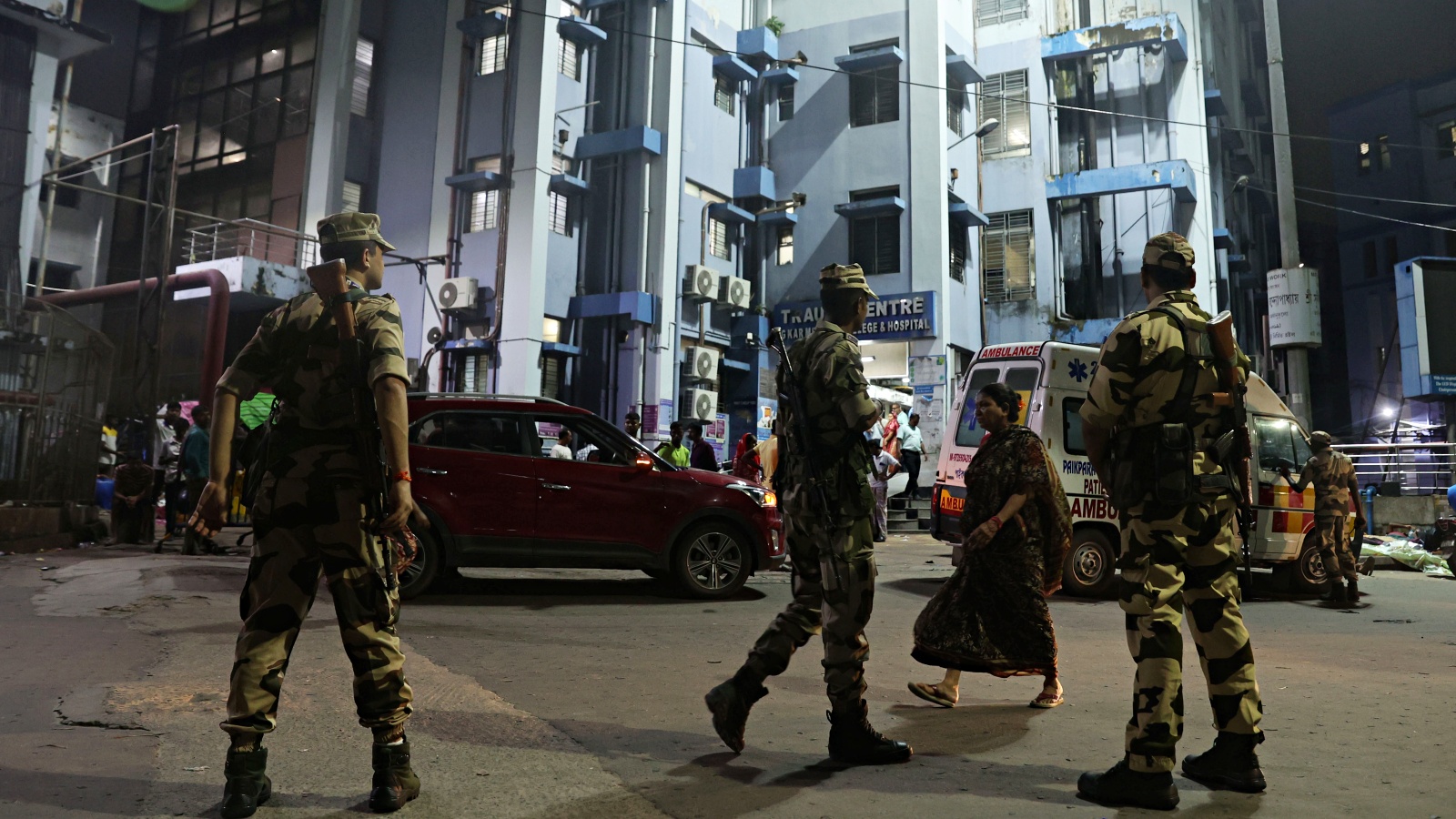
Two years after the horrific rape and murder of a trainee doctor at RG Kar Medical College, the hospital's security landscape has shifted dramatically with CISF deployment and advanced surveillance.
- CISF personnel are now deployed 24/7 across the RG Kar campus.
- Over 800 CCTV cameras monitor nearly every corner of the hospital.
- Emergency services have been relocated to the modern Trauma Care Centre.
- While physical security has increased, basic infrastructure demands for doctors remain.
Two years have passed since a former civic volunteer raped and murdered a 31-year-old postgraduate trainee doctor on duty at RG Kar Medical College & Hospital. The crime, which sparked unprecedented protests across India, remains etched in the collective memory of the institution. Today, the hospital presents a different face—one defined by heightened security and constant vigilance.
A Fortified Campus
The most visible change is the presence of the Central Industrial Security Force (CISF). Unlike the dark, unlit stretches that once haunted medical staff, the campus is now illuminated and heavily guarded. Security personnel operate in three eight-hour shifts, with over 70 personnel per shift ensuring that no area remains a 'dark zone.'
"The security personnel are always on alert; they even remember our faces," says an intern, recalling the fear that gripped the campus prior to the 2024 incident. The deployment includes armed personnel at gates and strategic points, providing a sense of safety to the healthcare workers who navigate the campus during grueling night shifts.
Technological Oversight
Surveillance has been scaled up to an unprecedented level. The hospital has installed more than 800 working CCTV cameras, which are monitored round-the-clock from a centralized control room. This digital net covers almost every corner of the 30-acre campus, aiming to prevent any recurrence of such a tragedy.
Why This Matters
BozokMedia analysis shows that the RG Kar incident was a watershed moment in West Bengal's history. The massive protests at the 'Abhaya Manch' not only demanded justice for the victim but also highlighted systemic failures in medical workplace safety. Ultimately, the political fallout from these protests contributed to a significant shift in the state's political landscape.
While the infusion of paramilitary security addresses the immediate threat, the deeper systemic issues of medical professional safety and institutional accountability require long-term policy reform.
Despite these advancements, some core demands from the original protesters—such as dedicated rest spaces for doctors and improved washroom facilities for women—appear to have been overshadowed by the broader political shifts in the state. The transition of emergency services to the Trauma Care Centre has streamlined medical response, but the human element of safety remains a complex issue.
Frequently Asked Questions
1. How has the security at RG Kar changed since the incident?
The hospital now has 24/7 CISF deployment and over 800 CCTV cameras for constant monitoring.
2. Where are the emergency services currently located?
Emergency services have been moved from the old building to the modern Trauma Care Centre.