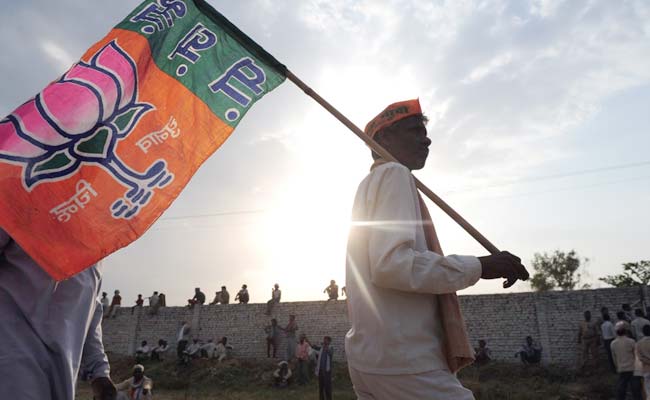
The BJP's long-standing dominance in Uttar Pradesh was built on a robust OBC coalition. However, emerging cracks in this base could redefine the state's political landscape.
- Potential erosion of the BJP's core OBC support system.
- Rising demands for caste census and proportional representation.
- Strategic vulnerability in the Hindi heartland.
For years, the Bharatiya Janata Party (BJP) has operated as a political juggernaut in Uttar Pradesh, propelled largely by a meticulously crafted coalition of Other Backward Classes (OBCs). This social engineering allowed the party to transcend traditional caste barriers and build a formidable majority.
However, recent political tremors suggest that this once-solid foundation is beginning to fracture. The non-dominant OBC groups, who felt empowered by the BJP's rise, are now questioning the tangible benefits they have received in terms of governance and political representation.
Why This Matters
BozokMedia analysis shows that the OBC fault line is not just a regional issue but a strategic challenge for the BJP's national narrative. If the party fails to address the internal grievances of the non-dominant OBC castes, it risks losing its most reliable electoral engine in the Hindi heartland.
"The shift in OBC loyalty is a signal that identity politics is evolving from broad categories to specific sub-caste aspirations."
The opposition is keen to exploit these fissures. By promising a more inclusive approach and pushing for a caste census, rival parties are attempting to peel away the sub-castes that feel marginalized within the BJP's current hierarchy.
Historical Background: Following the Mandal Commission in the 1990s, UP politics became deeply polarized along caste lines. The BJP successfully countered this by blending OBC identity with a broader Hindutva framework post-2014. But as economic disparities widen, the appeal of a singular identity is being challenged by the demand for material resources.
Frequently Asked Questions
Q1: Why is the BJP's OBC base showing signs of weakness?
A: The primary reasons include a perceived lack of representation in high-level decision-making and unmet expectations regarding economic upliftment.
Q2: Could this shift impact the national election results?
A: Absolutely, as UP holds the largest number of parliamentary seats, any significant shift in the OBC vote could alter the national government's composition.