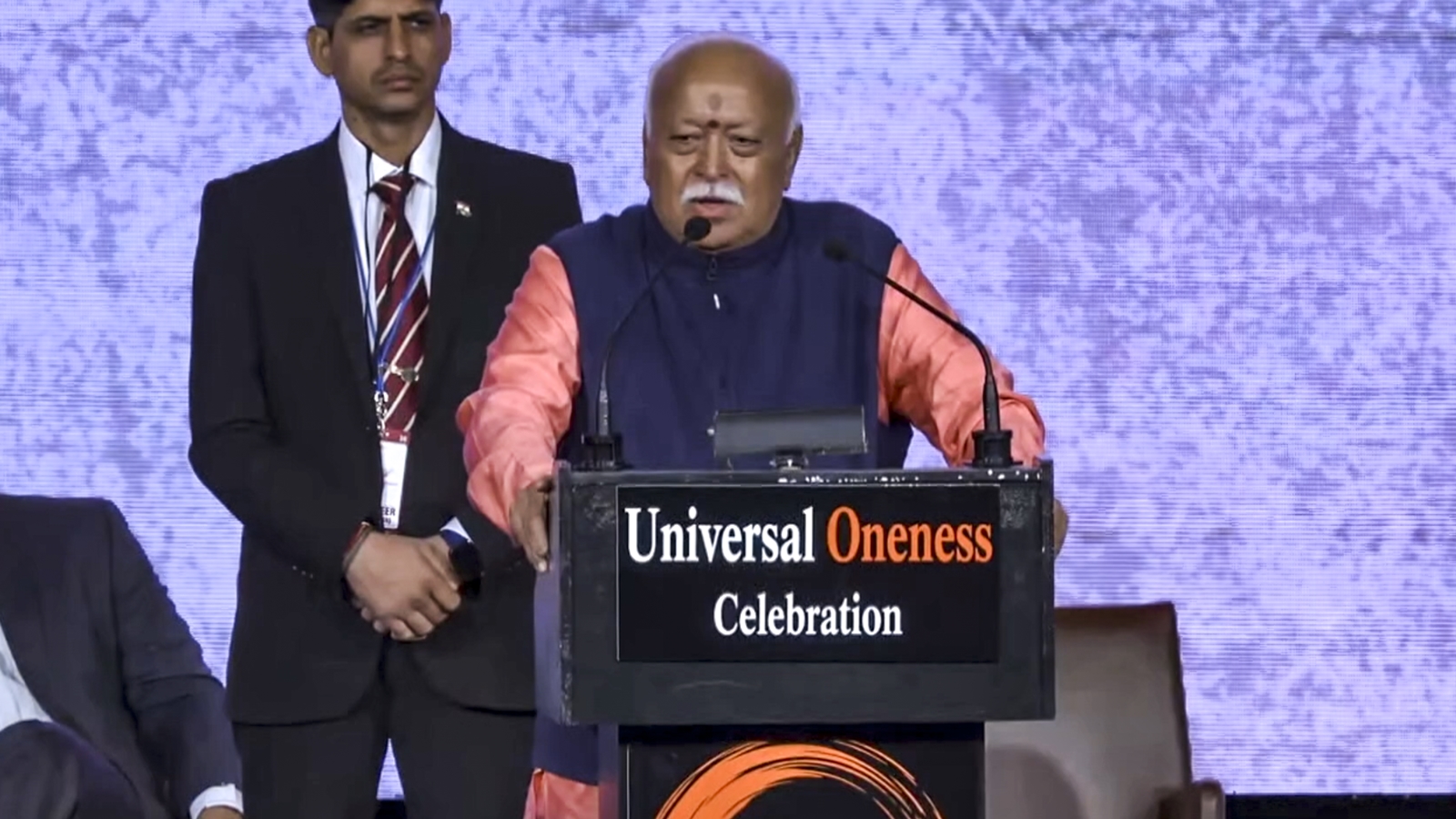
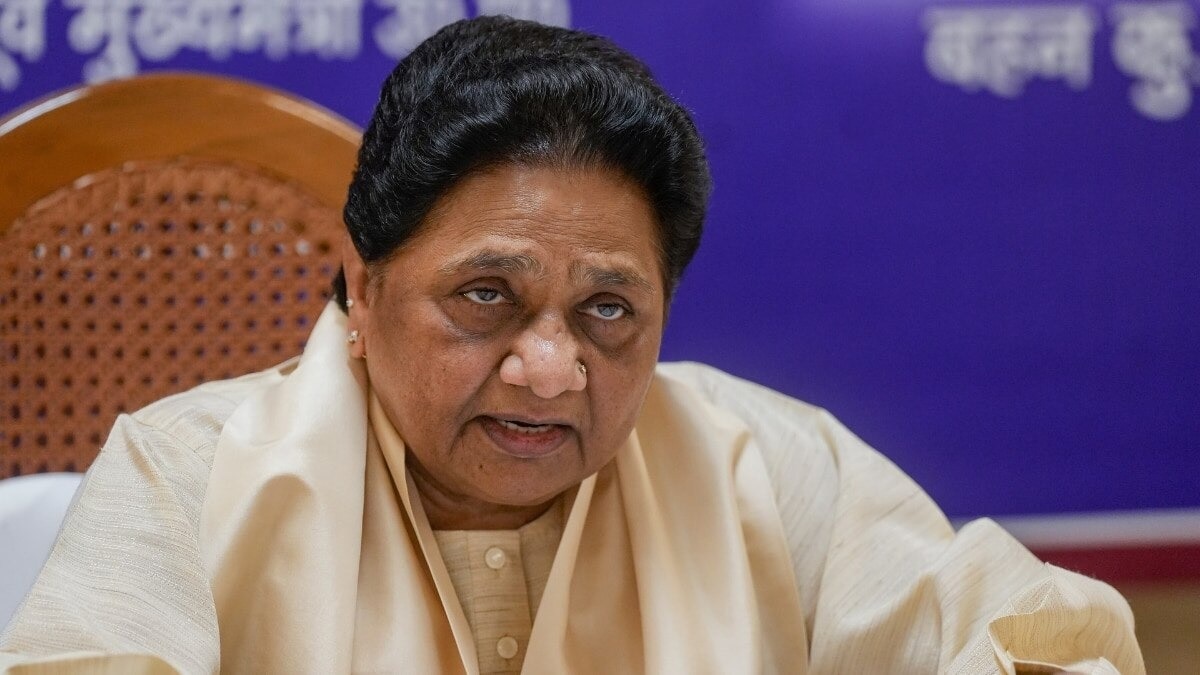
The rendering of the full six-stanza version of Vande Mataram at a government-sponsored Onam event has ignited a fierce ideological battle in Kerala, pitting the CPI(M) against the UDF government.
- Full six-stanza version of Vande Mataram performed at Onam event.
- Vice-President C.P. Radhakrishnan flagged off the procession.
- CPI(M) alleges a 'covert axis' between Congress and BJP/RSS.
- State government cites constitutional protocol for the performance.
The political atmosphere in Kerala has once again been electrified by the controversy surrounding Vande Mataram. As the Onam holidays concluded on Monday, a choir performed the complete six-stanza version of the song during the conclusion of the Kerala government-sponsored Onam week pageantry. The event was flagged off by Vice-President C.P. Radhakrishnan from a VIP podium in front of the Lok Bhavan on Sunday evening.
The ceremony saw the presence of Kerala Governor Rajendra Arlekar, Chief Minister V.D. Satheesan, and Tourism Minister P.C. Vishnunadh. The performance has sparked a debate because it directly contradicts the state government's earlier stance during the August 15 Independence Day celebrations, where the decision was made not to sing the song in its entirety.
Why This Matters
BozokMedia analysis shows that this incident is a symptom of the deepening ideological divide in Kerala. The dispute over the 'full version' versus the 'short version' of the song is not about music, but about the definition of Indian nationalism—whether it is inclusive and secular or aligned with a specific civilisational identity associated with Hindutva.
CPI(M) State Secretary M.V. Govindan launched a scathing attack on the Congress party, accusing it of acting as a "second fiddle" to the RSS's project of building a Hindutva-defined polity. He argued that the full version of the song is "profoundly schismatic" and reminded the public of the 1937 Congress Working Committee's decision to limit the song to the first two lines due to its religious iconography.
"The intersection of state protocol and cultural symbolism often creates a volatile political flashpoint in pluralistic societies."
In defense of the action, Local Self-Government Minister K.M. Shaji stated that the protocol for the event was fixed by the Vice-President's office. He emphasized that the state government lacks the jurisdictional authority to alter the official etiquette established by high constitutional offices, such as those of the President or Vice-President.
Adding to the critique, former Education Minister V. Sivankutty took to Facebook to mock the government, suggesting that "protocol" is merely a convenient pretext for the UDF government to facilitate the RSS agenda, describing it as a way to "swirl dandas and polish shoes."
Frequently Asked Questions
Q1: Why is the full version of Vande Mataram controversial?
Critics, including the CPI(M), argue that the later stanzas contain religious imagery that contradicts a strictly secular interpretation of the national song.
Q2: What was the government's justification for the performance?
The government stated that they were following the official protocol mandated by the Vice-President's office.