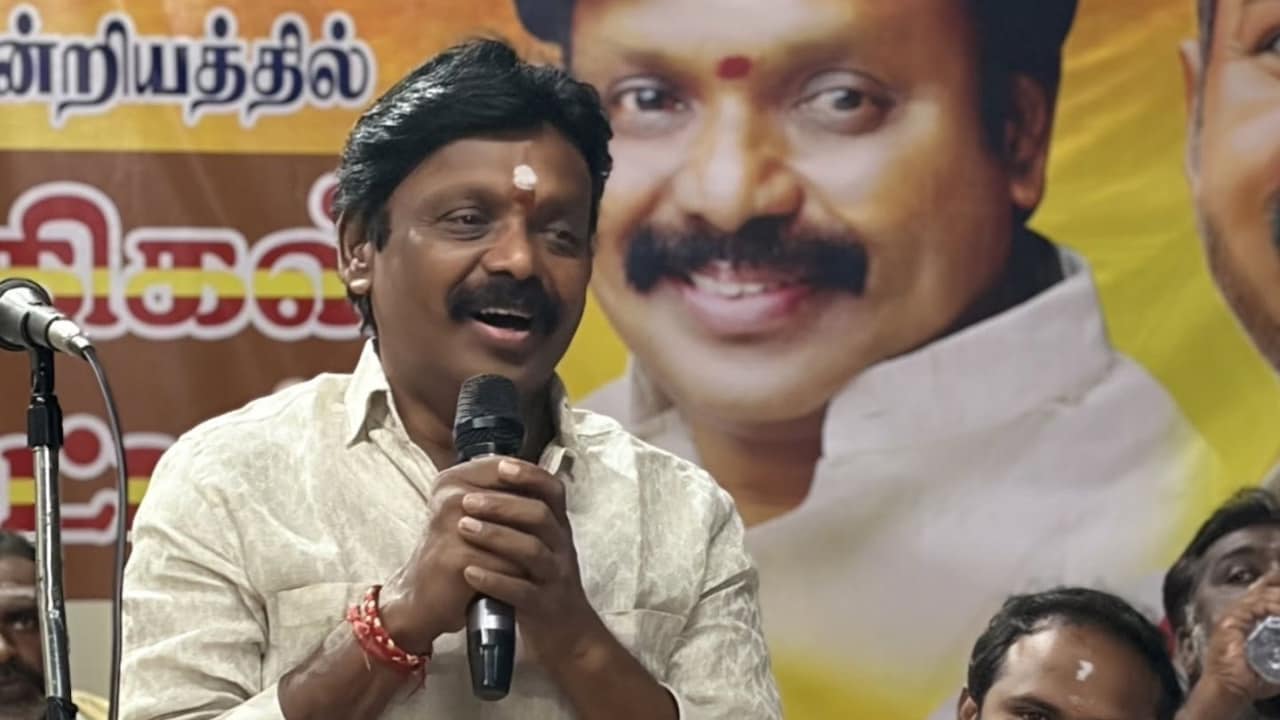
In a surprising legal move, former AIADMK leader Esakki Subaya has filed an affidavit in the Madras High Court seeking to rescind his resignation to ensure his constituency remains represented.
- Esakki Subaya filed an additional affidavit before the Madras High Court to withdraw his resignation.
- The primary motivation is the fear of leaving his constituency without legislative representation.
- The case highlights the ongoing legal and political volatility within Tamil Nadu's assembly.
In a significant development within the Tamil Nadu political landscape, former AIADMK leader Esakki Subaya has approached the Madras High Court to withdraw his resignation from the legislative assembly. The move comes as a sharp reversal of his previous decision to step down from his post.
Through an additional affidavit, Subaya emphasized that his primary concern is the welfare of his constituents. He argued that the acceptance of his resignation would leave a void in the representation of his area, effectively silencing the voices of thousands of voters in the assembly.
Why This Matters
BozokMedia analysis shows that this legal battle is emblematic of the shifting loyalties and internal frictions within regional parties. The attempt to withdraw a resignation often signals a realignment of political interests or a realization of the loss of leverage that comes with losing a seat in the house.
"The legal battle over the acceptance of a resignation often hinges on the Speaker's discretionary powers and the timing of the withdrawal request."
Historically, the Madras High Court has dealt with numerous petitions regarding the disqualification and resignation of MLAs. The precedent set in this case will be crucial for future instances where elected representatives attempt to reverse their decision to quit mid-term.
The court must now determine whether the Speaker of the House is legally bound to accept a withdrawal request once the resignation has been formally submitted, or if the Speaker's decision remains final and binding.
Frequently Asked Questions
1. Why did Esakki Subaya change his mind about resigning?
He cited concerns that his constituency would be left without any representation in the assembly.
2. Where has the legal challenge been filed?
The additional affidavit and legal battle are currently being handled by the Madras High Court.


