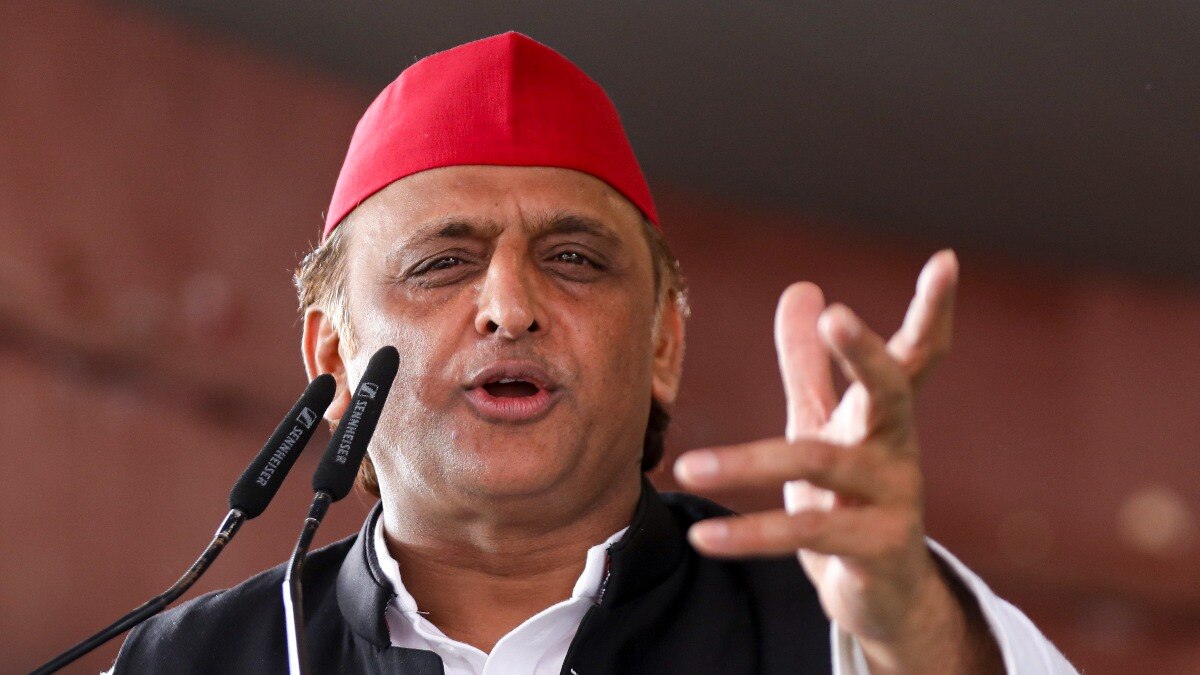
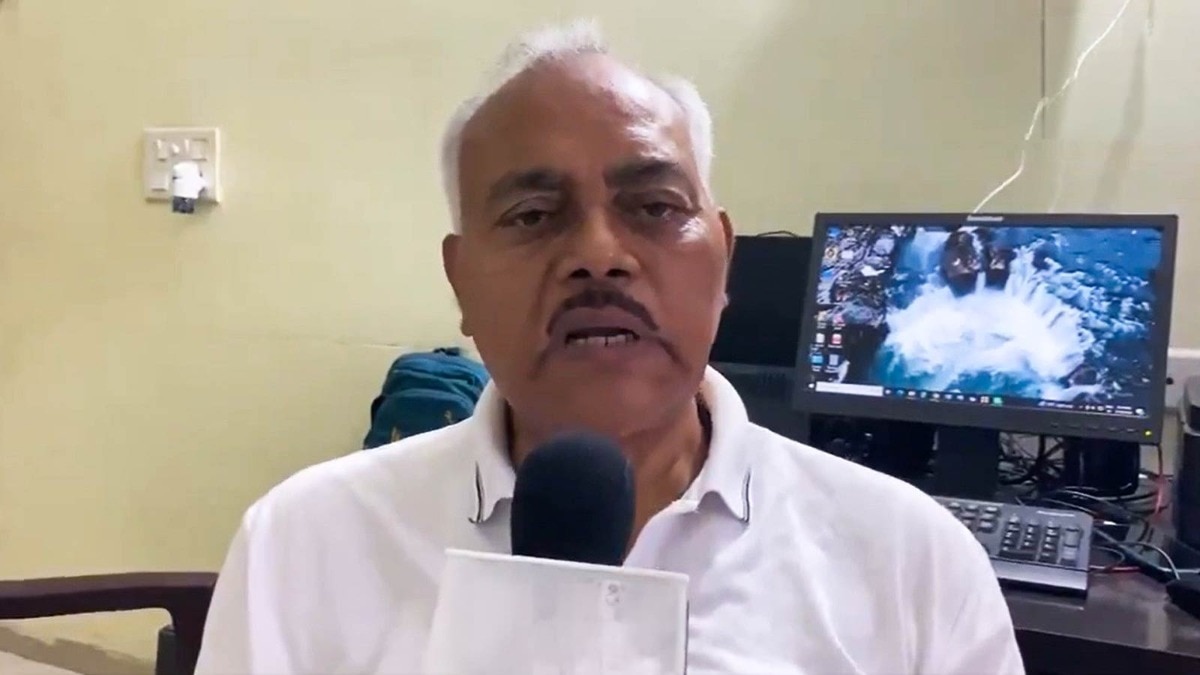
In a surprising move, 2013-batch IAS officer Divya Mittal has resigned from the civil services after 13 years. Her emotional farewell post has sparked a political storm in Uttar Pradesh, raising questions about administrative pressure.
- Divya Mittal, a 2013-batch IAS officer with IIT Delhi and IIM Bangalore credentials, has voluntarily resigned.
- She served in key roles across Uttar Pradesh, including DM of Mirzapur, Deoria, and Sant Kabir Nagar.
- Her resignation has triggered political reactions, with the Congress party calling for an investigation into the environment for honest officers.
The administrative landscape of Uttar Pradesh has been shaken by the sudden resignation of Divya Mittal, a high-achieving 2013-batch Indian Administrative Service (IAS) officer. Ms. Mittal, whose academic pedigree includes the prestigious IIT Delhi and IIM Bangalore, announced her departure via a poignant social media post, describing her 13-year tenure as an "unforgettable journey."
Mittal's trajectory is one of exceptional merit. After securing a high-paying finance role in London following her management studies, she felt a profound void and a desire to contribute to her homeland. This patriotic drive led her to the UPSC Civil Services Examination, which she cleared in 2013. Her career in Uttar Pradesh was marked by significant assignments, starting as Joint Magistrate in Meerut and later serving as the Chief Development Officer in Gonda.
The Impact of Grassroots Governance
During her tenure as the District Magistrate of Mirzapur, Ms. Mittal became known for her commitment to rural infrastructure. One of her most lauded achievements was bringing piped water to Lahuria Dah, a remote village in the semi-arid hills. For decades, the 2,000 residents of this village relied on erratic water tankers and cracked wells. In August 2023, her efforts culminated in 125 households finally receiving a steady water supply.
In her farewell note, Mittal highlighted the emotional weight of this achievement, recalling the image of an elderly woman touching her head in gratitude—a moment that defined her understanding of public service. She emphasized that her time in Deoria taught her that standing up for the right cause is a duty, not an option.
Why This Matters
BozokMedia analysis shows that the resignation of an officer with such a stellar academic and professional record is rarely a simple personal choice. When an officer of this caliber exits the system, it often signals a deeper friction between bureaucratic integrity and political expediency. The fact that the Congress party has already labeled the situation "very serious" suggests that Mittal's departure may be symptomatic of systemic pressures facing impartial officers in the state.
The resignation of a meritocratic officer like Divya Mittal underscores the growing tension between professional autonomy and political interference in state administration.
Mittal's reflection on power—stating that it comes from the trust of the people rather than a designated position—serves as a critique of the traditional hierarchical nature of the bureaucracy. She noted that true justice is found in maintaining the dignity of the individual behind every government file.
Frequently Asked Questions
Q1: What were the key academic qualifications of Divya Mittal?
A1: She is an alumna of IIT Delhi and IIM Bangalore, specializing in engineering and management respectively.
Q2: Which districts did she serve as District Magistrate in UP?
A2: She served as the DM of Sant Kabir Nagar, Mirzapur, and Deoria.