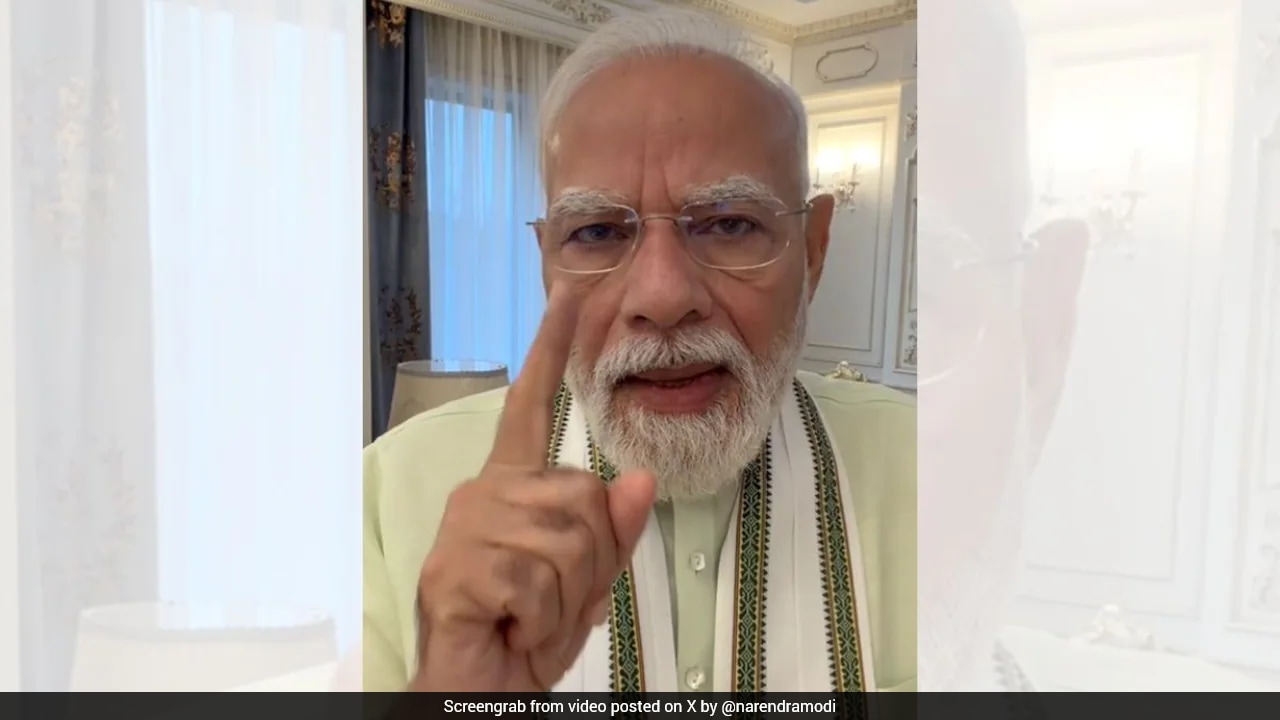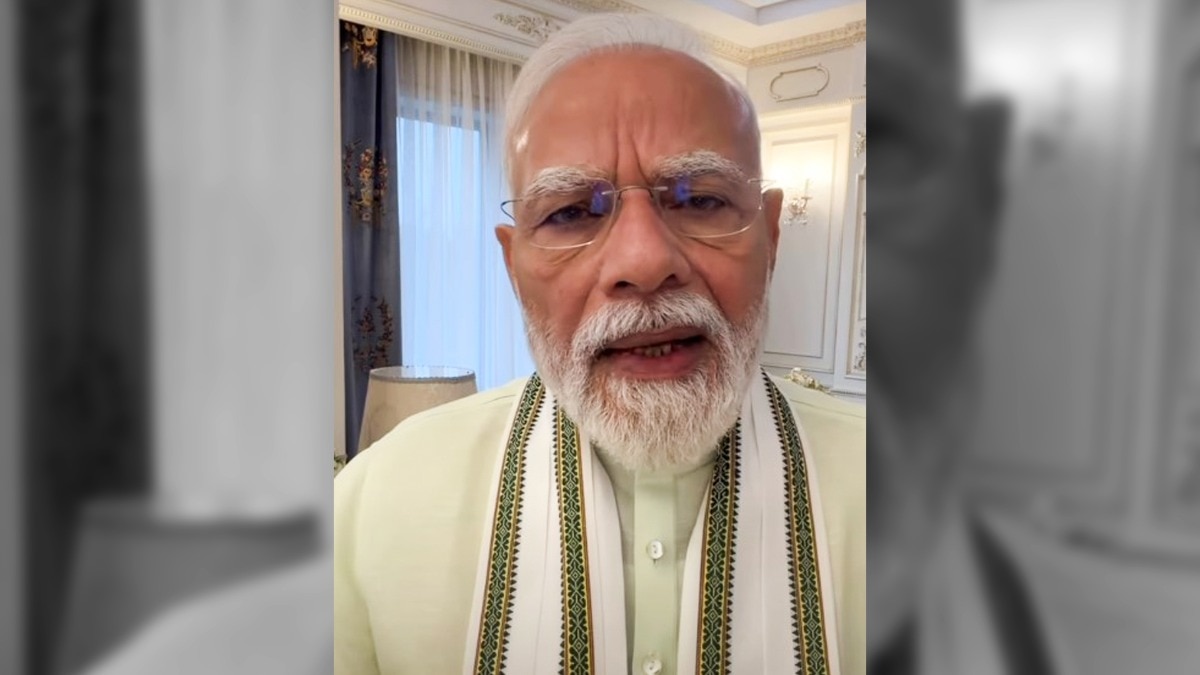
Prime Minister Narendra Modi took to Instagram to launch a scathing attack on Rahul Gandhi, asserting that the reality of India's 7.8% growth cannot be masked by misinformation.
- PM Modi dismissed Rahul Gandhi's claims as 'echoes of lies'.
- Highlighted India's robust 7.8% GDP growth rate as a benchmark of success.
- Utilized Instagram to bypass traditional media and target a younger demographic.
Prime Minister Narendra Modi has intensified his rhetorical offensive against opposition leader Rahul Gandhi. In a recent high-impact post on Instagram, the Prime Minister asserted that the 'echoes of lies' (Jhooth ki goonj) propagated by the opposition are incapable of overshadowing the tangible reality of India's 7.8% economic growth rate.
This digital swipe comes amidst a heated political climate where the opposition has consistently targeted the government over issues of unemployment and inflation. By pivoting the conversation toward GDP growth, PM Modi is attempting to shift the public discourse from systemic grievances to macroeconomic achievements.
Why This Matters
BozokMedia analysis shows that the Prime Minister's strategic shift toward short-form visual content on Instagram is designed to counter the opposition's narrative in real-time. By juxtaposing hard economic data against political rhetoric, the administration aims to project an image of stability and competence to the global and domestic audience.
The weaponization of macroeconomic indicators in social media battles marks a new era of 'Data-Politics' in the Indian democratic landscape.
Historically, India has navigated various economic cycles, but maintaining a growth trajectory near 8% amidst global headwinds is a significant feat. The government attributes this success to strategic capital expenditure, the 'Make in India' initiative, and a robust digital public infrastructure.
Frequently Asked Questions
1. What was the core of PM Modi's criticism?
The PM argued that Rahul Gandhi's narratives are misleading and cannot hide the factual 7.8% economic growth of the country.
2. Why is the 7.8% growth rate significant?
It serves as a quantitative indicator of economic resilience and expansion, providing the government with a strong defense against claims of economic failure.