The Congress‑led INDIA bloc halted a Constitution Amendment Bill during the budget session, but subsequent splits have weakened the opposition’s numbers. As the monsoon session looms, the NDA is eyeing a two‑thirds majority, while DMK’s stance could tip the parliamentary balance.
Key Takeaways
- Opposition fragmentation has reduced its parliamentary clout
- NDA is maneuvering to secure a two‑thirds majority for pending legislation
- DMK’s support or opposition could be decisive in the monsoon session
At the close of the budget session, the Congress‑led INDIA alliance succeeded in stopping a Constitution Amendment Bill that linked women’s reservation to delimitation. On 17 April, 298 MPs voted in favour, but fell short of the 352‑member two‑thirds threshold needed for passage. The victory gave the opposition a fleeting surge of confidence, which has now given way to anxiety as the monsoon session approaches.
Four Major Blows to the Opposition
1. AAP Rebellion – On 24 April, seven Rajya Sabha MPs from Arvind Kejriwal’s AAP broke ranks and aligned with the BJP. Because the breakaway group comprised more than two‑thirds of the party’s ten members in the Upper House, it escaped the anti‑defection law, shrinking AAP’s effective strength to three.
2. Trinamool Implosion – In West Bengal, 20 Lok Sabha MPs of the Trinamool Congress rebelled against Mamata Banerjee and her nephew Abhishek, announcing a shift to the BJP. This revolt not only dented the party’s numbers but also triggered resignations from several Rajya Sabha members, further destabilising the regional opposition.
3. Shiv Sena Split – In June, six of Uddhav Thackeray’s nine Shiv Sena MPs submitted letters to Speaker Om Birla, declaring their support for Eknath Shinde. This internal split mirrors the 2022 vertical fracture and leaves Uddhav without party control or the party symbol.
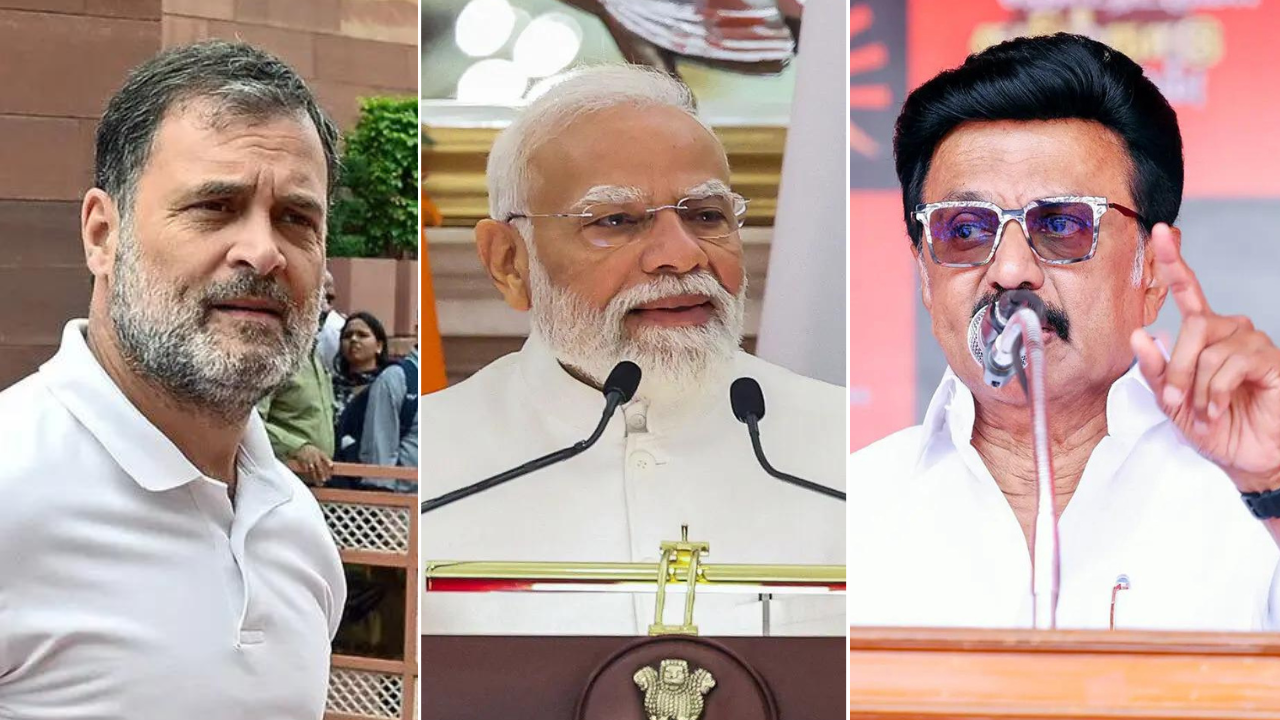
4. Congress‑DMK Rift – The Tamil Nadu assembly elections saw M.K. Stalin’s DMK lose to the actor‑turned‑politician Vijay. While the BJP‑AIADMK alliance also faltered, the loss weakened the national opposition bloc, stripping away a crucial regional ally.
What the Monsoon Session Could Hold
These developments have cleared the path for the NDA to chase a two‑thirds majority. Congress has accused Home Minister Amit Shah of “engineering” such a majority and of “making a mockery of democracy” by breaking opposition parties. If the BJP secures the required numbers, it can swiftly push through the delimitation bill and other pending reforms.
Conversely, the DMK retains the potential to become a kingmaker. By either joining the opposition front or negotiating conditional support, it can deny the NDA the critical votes needed for a super‑majority, reshaping the legislative landscape.
Analytical Perspective
The opposition’s fragmentation is more than a tactical setback—it tests the resilience of India’s parliamentary democracy. A decisive DMK could redefine the balance of power in the upcoming session, influencing not just legislation but the very health of democratic governance.