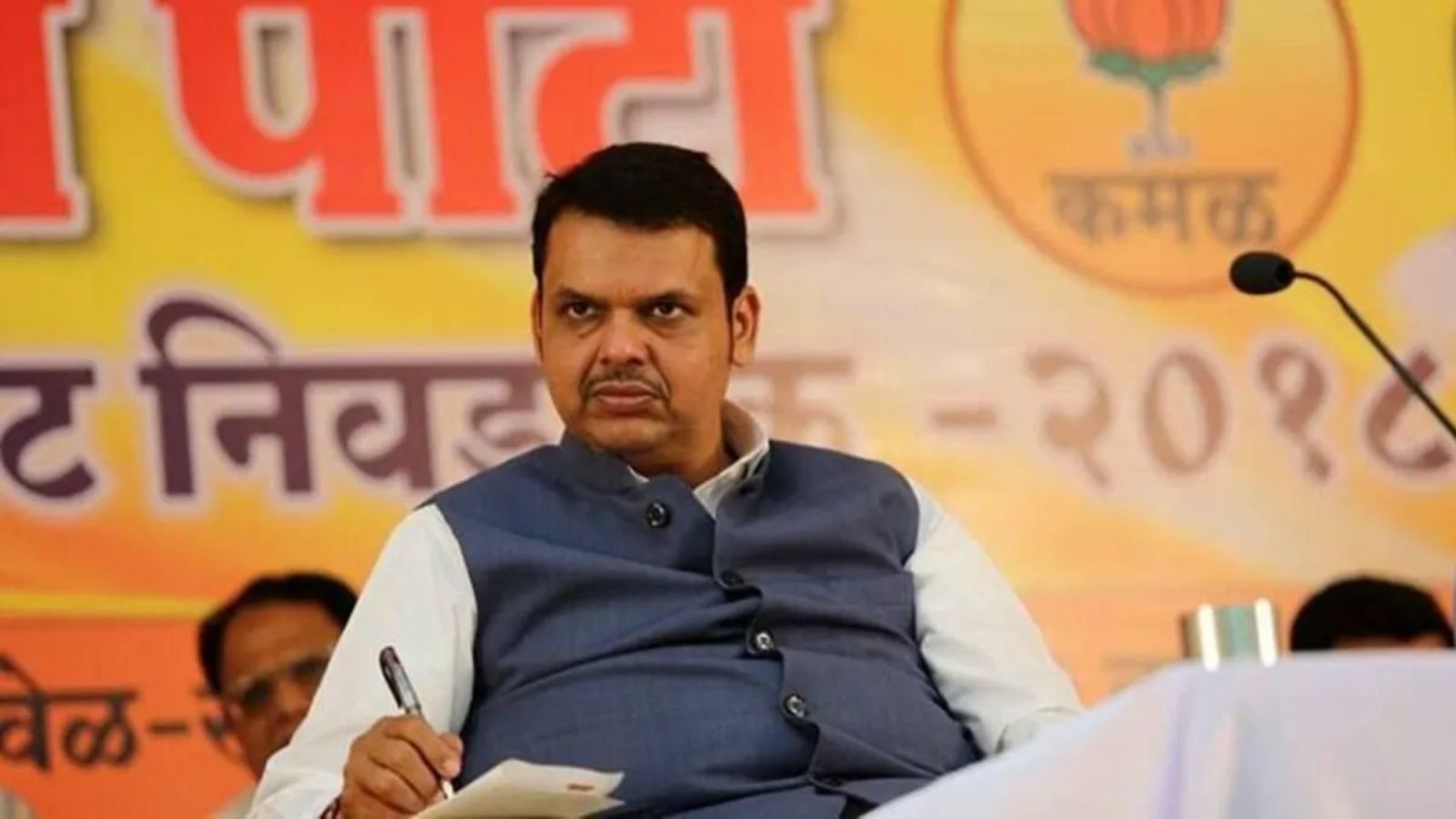
Chief Minister Devendra Fadnavis has provided a one-year exemption for small vendors following the FDA's crackdown on the sale of unpackaged edible oil.
- CM Devendra Fadnavis granted a one-year temporary exemption from the ban on loose edible oil.
- A joint committee of FDA officials and traders will frame a new Standard Operating Procedure (SOP).
- The move aims to protect low-income consumers while ensuring long-term food safety compliance.
In a significant move to balance public health and economic stability, the Maharashtra government has granted small traders and vendors a one-year breather from the enforcement of the ban on unpackaged edible oil. This decision comes shortly after the Food and Drug Administration (FDA) issued a strict clampdown under the Food Safety and Standards Act, 2011.
Chief Minister Devendra Fadnavis announced this temporary exemption on Tuesday following intense discussions with a delegation of oil traders. The traders had expressed grave concerns regarding the immediate impact of the FDA's order on their livelihoods and the accessibility of oil for low-income households.
Why This Matters
BozokMedia analysis shows that while the FDA's mandate is crucial for eliminating food adulteration, the sudden prohibition of loose oil threatened to disrupt the supply chain for the most vulnerable sections of society. This policy pivot demonstrates a strategic approach to regulatory implementation, allowing for a gradual transition rather than an abrupt economic shock.
Maintaining oil quality standards is our highest priority, but we must acknowledge the economic realities of daily-wage consumers.
The FDA, led by Commissioner Tukaram Mundhe, had previously ordered the cessation of loose oil sales to combat issues like adulteration, the use of non-food-grade containers, and lack of traceability. The August 20 order mandated that all edible oil must be sold in sealed, tamper-evident, and properly labeled packaging, including source details and expiry dates.
To facilitate this transition, a joint committee comprising FDA officials and representatives from the trading community has been formed. This committee is tasked with examining the operational hurdles faced by traditional vendors and drafting a comprehensive Standard Operating Procedure (SOP) to guide the industry toward compliance.
Historical Background
The Food Safety and Standards Act of 2011 was established to consolidate various food laws in India, ensuring a single unified standard for food safety. In recent years, regulatory bodies across India have intensified inspections of unbranded and unpackaged commodities, which are historically more susceptible to contamination and fraudulent labeling.
Frequently Asked Questions
1. Is the ban on loose oil completely lifted?
No, it is a temporary one-year exemption intended to give traders time to shift to packaged standards.
2. What must traders do during this year?
Traders must use this period to invest in packaging machinery and ensure all products meet the mandatory labeling requirements.