A federal judge has intervened to halt President Trump's attempt to restrict birthright citizenship for children of non-citizens. The ruling preserves constitutional protections for those born on US soil.
- A federal judge has blocked the enforcement of an order aimed at limiting birthright citizenship.
- The ruling protects children born in the US to non-citizen or green card holder parents.
- The decision upholds the current interpretation of the 14th Amendment.
In a significant legal blow to the Trump administration, a federal judge on Wednesday blocked a new executive order intended to limit birthright citizenship. The order sought to deny citizenship to children born in the United States whose parents are not American citizens or legal permanent residents, commonly known as green card holders.
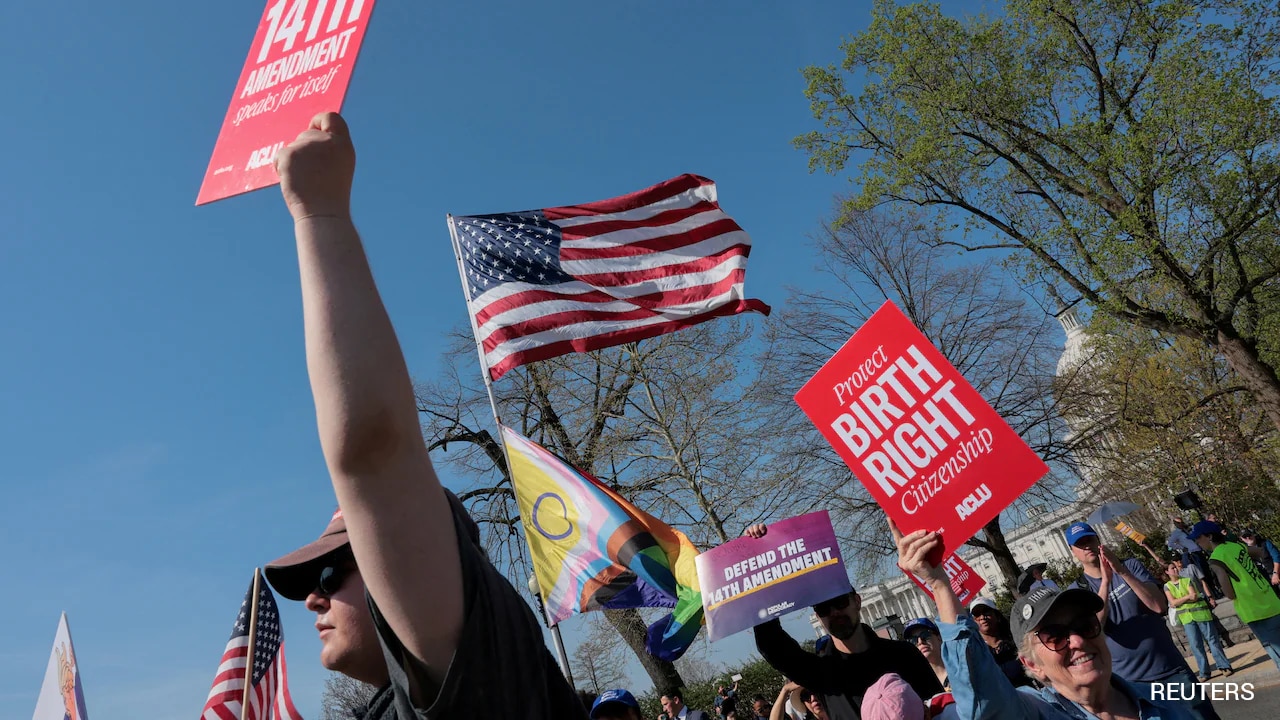
The legal battle centers on the interpretation of the 14th Amendment to the US Constitution, which guarantees citizenship to all persons born or naturalized in the United States. The Trump administration has long argued that this provision has been exploited by illegal immigrants, calling for a fundamental shift in how citizenship is granted to the offspring of non-citizens.
Historical Background
The principle of birthright citizenship has been a cornerstone of American law for over a century. In the landmark case United States v. Wong Kim Ark, the Supreme Court established that children born in the US are citizens regardless of their parents' nationality. This judicial precedent has served as the primary defense against attempts to redefine citizenship through executive action.
Why This Matters
BozokMedia analysis shows that this ruling is more than just an immigration dispute; it is a constitutional showdown. By blocking the order, the court has reinforced the boundary between presidential authority and established constitutional rights, preventing a massive shift in the legal status of millions of residents.
This ruling serves as a critical check on executive overreach, ensuring that fundamental constitutional rights cannot be altered by administrative decree.
Legal scholars suggest that while this is a victory for immigration advocates, the administration is likely to appeal the decision. This could lead to a definitive showdown in the Supreme Court, potentially reshaping the legal landscape of American identity for generations to come.
Frequently Asked Questions
Question 1: What is birthright citizenship?
Answer: It is the legal principle that anyone born on US soil is automatically a US citizen.
Question 2: What happens if the order is eventually upheld?
Answer: If the order were to stand, it would fundamentally change the criteria for citizenship, potentially affecting millions of families.