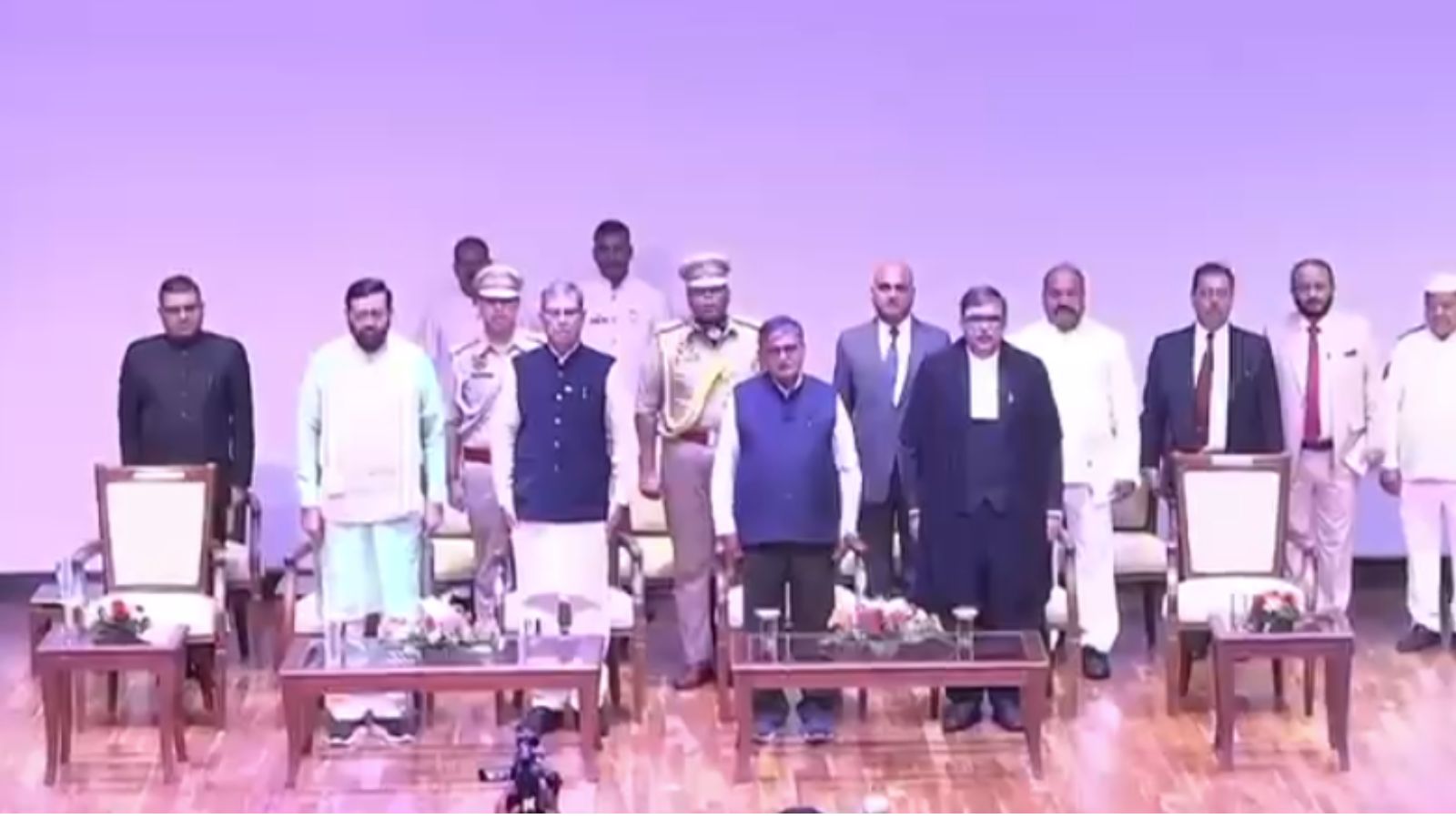
President Hakainde Hichilema has been sworn in for a second term, but his leadership faces immediate challenges from disputed election results and treason charges against his rivals.
- President Hichilema secured approximately 60% of the vote in the recent election.
- Opposition leader Brian Mundubile has been arrested on treason charges.
- The EU Election Observation Mission flagged significant transparency issues during vote tabulation.
- Economic recovery efforts are being overshadowed by rising living costs and political unrest.
Lusaka, Zambia: President Hakainde Hichilema has officially commenced his second and final term, promising to ensure that the benefits of Zambia's economic recovery reach the grassroots level. However, his inauguration on Tuesday took place under a cloud of political uncertainty, following a highly contested election and the subsequent arrest of key opposition figures.
According to official results, Hichilema secured roughly 60% of the vote, while his primary challenger, Brian Mundubile, received approximately 38%. Mundubile has vehemently rejected the outcome, alleging widespread irregularities. The European Union (EU) Election Observation Mission corroborated some of these concerns, noting that while voters had choices, the playing field was uneven and the transparency of the tabulation process deteriorated significantly after a temporary suspension of the count.
Why This Matters
BozokMedia analysis shows that the political stability of Zambia is a linchpin for regional security and global mineral markets. As a leading producer of copper, Zambia's internal stability directly impacts the global supply chain for critical minerals essential for the green energy transition. Any prolonged political instability could deter the very foreign investment Hichilema seeks to attract.
Zambia has historically enjoyed a distinguished record of democracy in the region, making these recent developments particularly alarming.
Economically, Hichilema has made strides in managing Zambia's sovereign debt after the 2020 default. Working closely with the International Monetary Fund (IMF), his administration has stabilized the economy and restored investor confidence, particularly in the mining sector. However, the removal of fuel subsidies and soaring food costs have created a disconnect between macroeconomic stability and the everyday reality of Zambian citizens.
Historical Background
Since the transition from a one-party state in 1991, Zambia has been regarded as a beacon of multiparty democracy in Southern Africa. The peaceful transfer of power has been a hallmark of its political culture, a tradition that now faces its most significant test due to the recent crackdown on opposition members and restricted access to the judiciary.
The tension escalated further following a deadly confrontation in Lusaka, where security forces raided a property linked to Mundubile, resulting in the death of former cabinet minister Mutotwe Kafwaya. Furthermore, the arrest of Mundubile and his running mate, Makebi Zulu, on treason charges has drawn sharp criticism from human rights organizations.
Frequently Asked Questions
Question 1: What are the main criticisms of the election?
Answer: Observers, including the EU, highlighted a lack of transparency during the counting process and an intimidating military presence.
Question 2: Why is the economic situation a concern?
Answer: While debt restructuring has improved macroeconomics, high inflation and fuel costs are causing significant hardship for ordinary citizens.