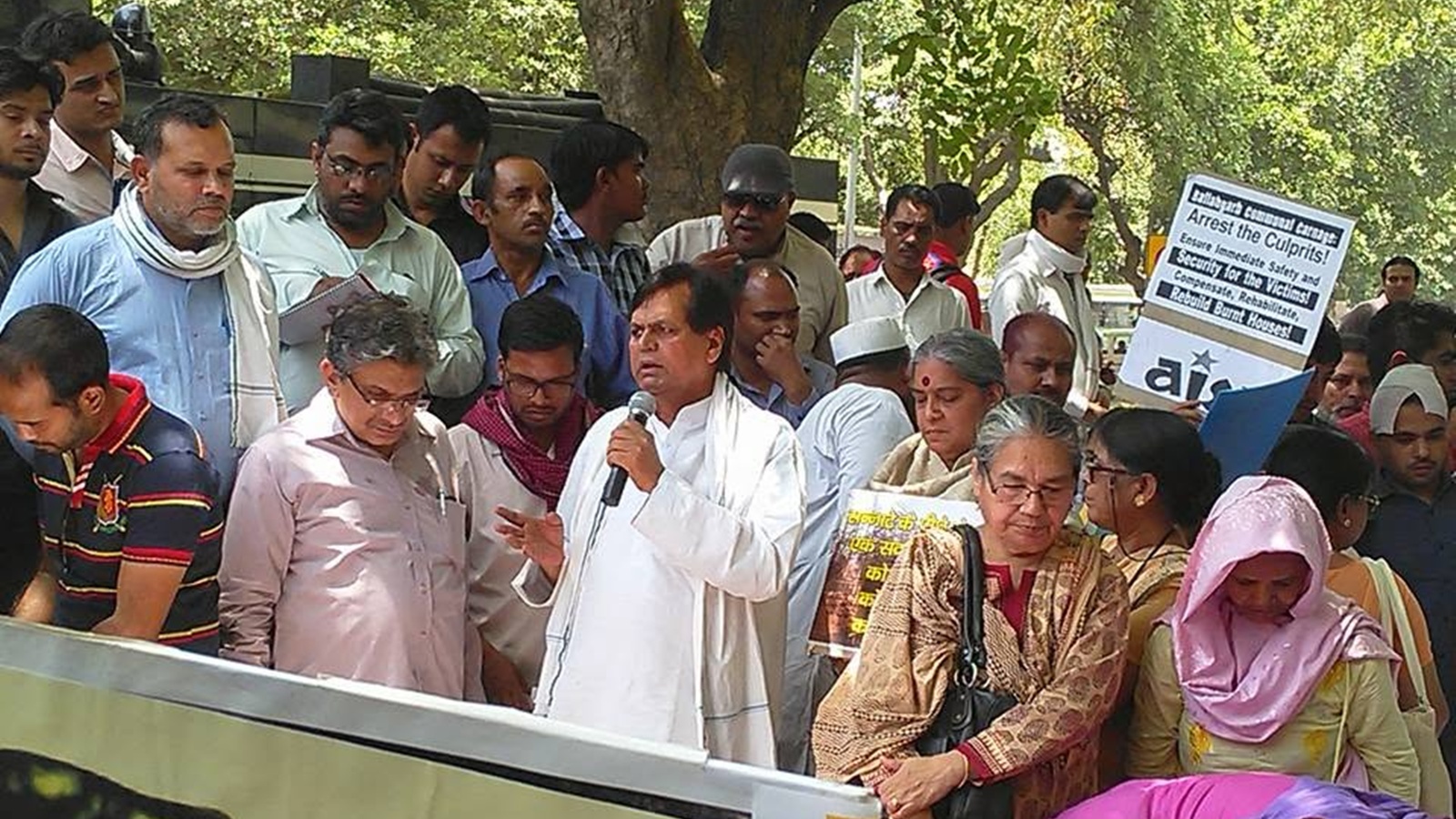
CPI(M) leader M.A. Baby has strongly criticized Islamic scholar Kanthapuram A.P. Aboobacker Musliyar for suggesting restrictions on women in public spaces, calling the remarks unconstitutional.
- M.A. Baby condemned Kanthapuram's remarks against women's public presence.
- The CPI(M) leader drew parallels between these views and RSS ideologies.
- The remarks have faced criticism from Kerala CM V.D. Satheesan.
- Gender equality is a core principle guaranteed by the Indian Constitution.
In a sharp political rebuke, CPI(M) General Secretary M.A. Baby has flayed the remarks made by Islamic scholar Kanthapuram A.P. Aboobacker Musliyar, who advocated for restrictions on women's presence in public spaces. Speaking on Thursday, Baby noted that "most religions, unfortunately, tend to show reluctance to recognise gender equality on various occasions."
The controversy erupted following an Islamic event in Kochi, where Kanthapuram stated that women's public appearance would cause "great destruction." This statement has triggered a massive wave of criticism across Kerala, including from Chief Minister V.D. Satheesan, who distanced himself from such views.
Why This Matters
BozokMedia analysis shows that this incident highlights the growing tension between traditional religious interpretations and the progressive legal framework of India. As religious leaders make pronouncements on social conduct, the clash with constitutional mandates regarding individual liberty and gender equality becomes a central point of national discourse.
Mr. Baby further alleged that Kanthapuram's assertions reflect a mindset similar to that of the RSS. He specifically referenced previous comments made by RSS chief Mohan Bhagwat regarding women's safety, suggesting a pattern where women are advised to remain confined to their homes rather than addressing the root causes of violence in public spheres.
The Constitution of India guarantees gender equality; no religious interpretation should be permitted to fail in upholding these constitutional values.
Emphasizing the supremacy of the law, the CPI(M) leader stated that the Indian Constitution provides an ironclad guarantee of gender equality. He argued that any approach questioning this equality in the name of religion must be rejected to maintain the integrity of the democratic system.
Historical Background
The debate over women's autonomy in the public sphere has been a recurring theme in Indian socio-political life. While various religious and conservative groups have historically sought to regulate women's movements based on traditional interpretations, the post-independence Constitution has consistently worked to dismantle such barriers through fundamental rights.
Frequently Asked Questions
Question 1: What exactly did Kanthapuram say?
Answer: He suggested that women appearing in public spaces could lead to "great destruction."
Question 2: How did the Kerala government respond?
Answer: Chief Minister V.D. Satheesan expressed his disagreement with the scholar's views.