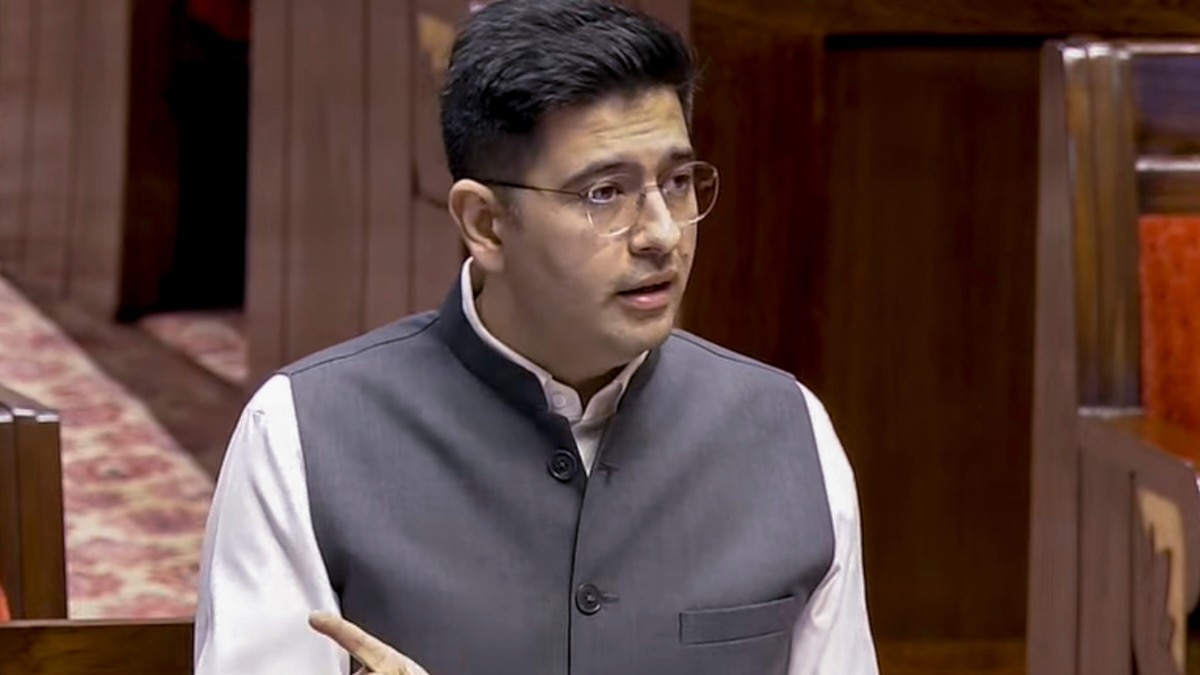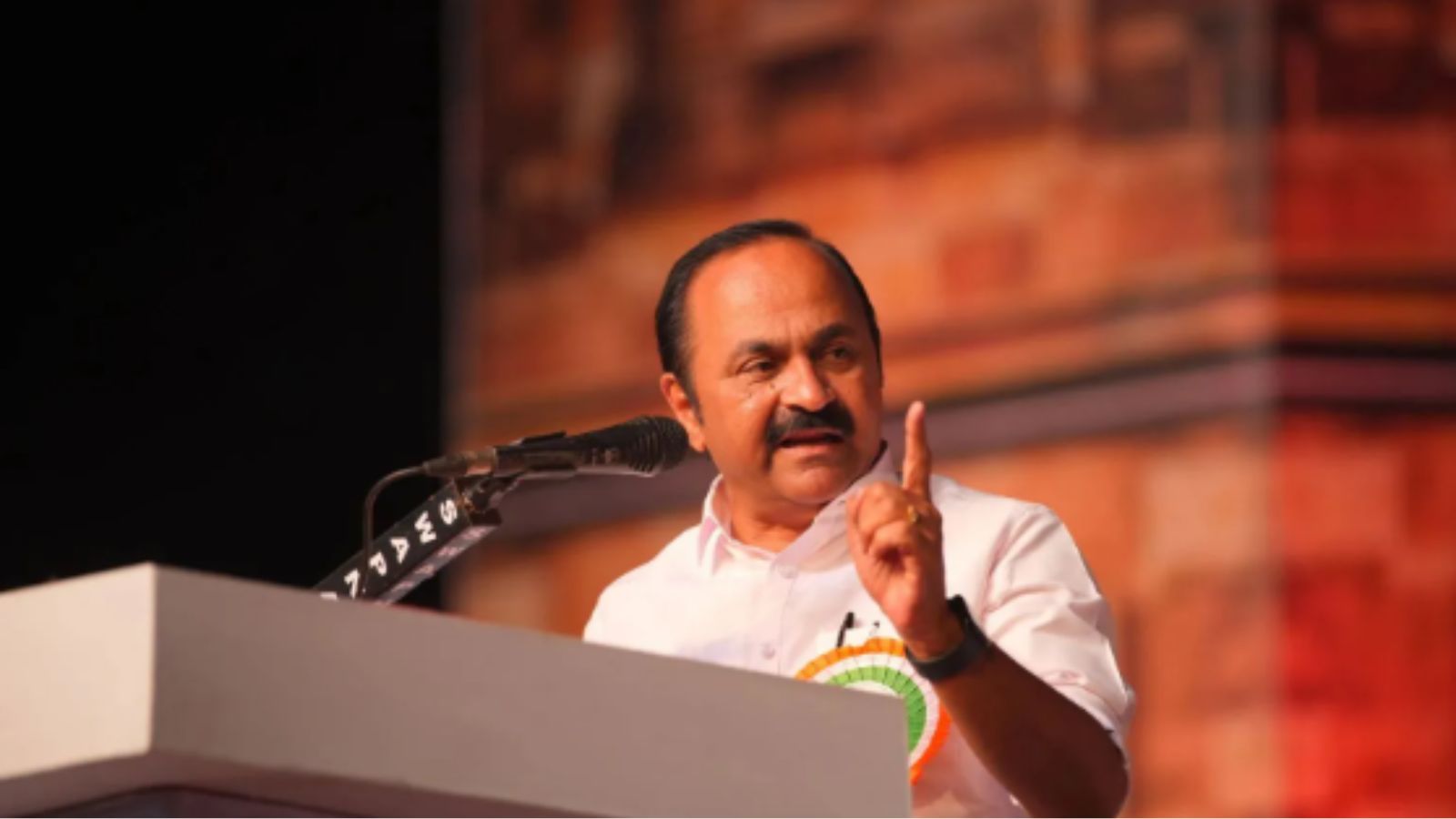
Kerala Chief Minister V D Satheesan has strongly criticized influential cleric A P Aboobacker Musliyar for suggesting that women should remain confined to their homes and avoid public spaces.
- Cleric Kanthapuram Musliyar issued a directive restricting women's public presence.
- CM V D Satheesan called the remarks unsuitable for a 'progressive Kerala'.
- Ally IUML attempted to justify the remarks under the guise of women's safety.
- The controversy follows viral videos of Muslim women participating in Eid and Onam festivities.
Kerala Chief Minister V D Satheesan on Wednesday issued a stern condemnation against influential cleric A P Aboobacker Musliyar, popularly known as 'Kanthapuram', following his controversial remarks regarding the role of women in public life. The cleric suggested that women should not mingle with men in public and should instead remain confined to their homes to uphold religious discipline.
The remarks were made in a written directive issued to the community, claiming that exhibiting young women in public spaces among unrelated men is 'un-Islamic'. This backlash follows recent celebrations of Eid Milad-un-Nabi and Onam, where videos of Muslim women actively participating in festivities, including dancing, went viral across social media platforms.
Why This Matters
BozokMedia analysis shows that this incident highlights the growing friction between orthodox religious interpretations and the evolving socio-political landscape of Kerala. As women's participation in Kerala's political and professional spheres increases, such traditionalist stances create significant tension within the state's secular framework.
Chief Minister Satheesan argued that such views belong to the 19th century and have no place in a 21st-century progressive society.
In a direct rebuttal to the cleric's use of religious texts, Satheesan provided historical context, citing the lives of Khadija, a successful businesswoman, and Aisha, a leader, to demonstrate that women have always played active roles in Islamic history. He emphasized that women must be part of the mainstream in modern Kerala.
The political fallout has been complex. While the Chief Minister stood firm, his ally IUML took a more cautious approach. Panakkad Sayyid Sadiq Ali Shihab Thangal, an IUML leader, suggested that the cleric's remarks might have been motivated by concerns for women's safety and emphasized the importance of community unity.
The controversy has also drawn protests from religious bodies like SAMASTHA and the Kerala Muslim Jamaath, who accused the Chief Minister of misinterpreting religious matters and demanded an apology. This clash underscores the delicate balancing act required in Kerala's multi-religious political environment.
Frequently Asked Questions
1. What exactly did the cleric say?
The cleric stated that women should remain quietly confined to their homes and that their presence in public spaces among men is un-Islamic.
2. How did the IUML respond to the controversy?
The IUML sought to justify the remarks by suggesting they might have been intended for the safety of women and stressed the need for community unity.