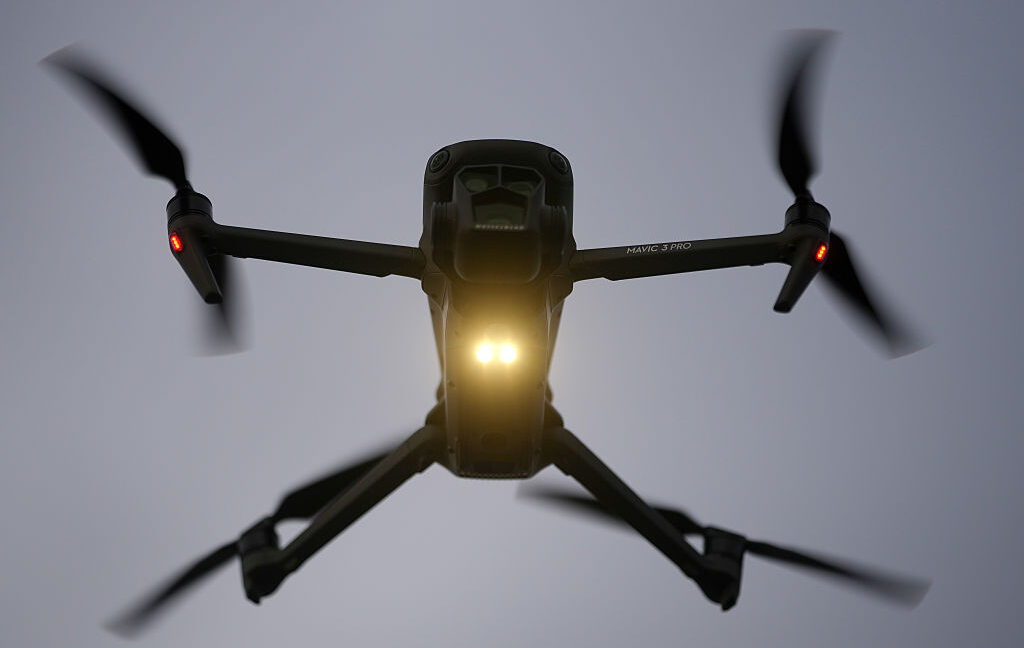
The Trump administration has announced a staggering 100% tariff on certain foreign-made drones, sparking fears of supply chain disruptions and increased costs for US businesses.
- 100% tariff applied to heavy drones (>55lbs) or those with thermal imaging.
- 25% tariff on smaller drones and 25% on non-sensitive components by 2027.
- Allied nations like the UK (10%) and EU/Japan (15%) face tiered levies.
In a move that has sent shockwaves through the technology and logistics sectors, the Trump administration has imposed a massive 100 percent tariff on foreign-made drones. Critics and industry analysts are sounding the alarm, warning that these high tariffs could jeopardize public safety and inflict severe financial damage on thousands of American businesses that rely on drone technology.
According to official guidance from US Customs and Border Protection (CBP), the new mandate targets imported drones that utilize thermal imaging capabilities or exceed a weight of 55 pounds. The administration's move is seen as a protectionist measure to bolster domestic manufacturing, yet the immediate fallout suggests a potential spike in operational costs across various industries.
A Complex Web of Tariffs
The new trade policy is not a blanket tax but a tiered system based on drone specifications and country of origin. Smaller drones will face a 25 percent tariff, while drones from key US allies will see varying levels of taxation. Specifically, British-made drones will incur a 10 percent levy, while those from the European Union, Japan, Liechtenstein, South Korea, Switzerland, and Taiwan will be subject to a 15 percent tariff.
Looking further ahead, the administration has outlined a phase-in for other equipment. "Non-sensitive" drones—those without thermal imaging—and their individual components are slated to carry a 25 percent tariff starting on February 9, 2027.
Why This Matters
BozokMedia analysis shows that the drone industry is no longer a niche hobbyist market; it is a critical component of modern infrastructure, used in agriculture, search and rescue, and surveillance. By making these tools significantly more expensive, the US risks slowing down technological adoption and increasing the cost of essential services for consumers and emergency responders alike.
Imposing extreme tariffs on essential tech can inadvertently create a vacuum in domestic safety capabilities.
| Drone Category | Tariff Rate (%) | Criteria/Origin |
|---|---|---|
| Heavy/Thermal Drones | 100% | Over 55lbs or Thermal Imaging |
| Small Drones | 25% | Standard consumer/commercial |
| UK Drones | 10% | United Kingdom origin |
| EU/Japan/Korea/Taiwan | 15% | Major strategic allies |
Frequently Asked Questions
Question 1: Which drones are most affected by the 100% tariff?
Answer: Drones that are heavier than 55 pounds or those equipped with thermal imaging technology.
Question 2: When will the tariff on non-sensitive drones begin?
Answer: The 25 percent tariff on non-sensitive drones and components is set to begin on February 9, 2027.