Chief Minister Yogi Adityanath has vehemently rejected the 'BIMARU' label for Uttar Pradesh, claiming the state has undergone a massive transformation into a leading economic engine for New India.
- CM Yogi Adityanath rejected the historical 'BIMARU' classification for Uttar Pradesh.
- The state is transitioning into one of India's top three economies.
- BJP aims for a massive mandate in the upcoming 2027 Assembly elections.
- Focus on law and order, ODOP, and tech-driven employment is central to the growth model.
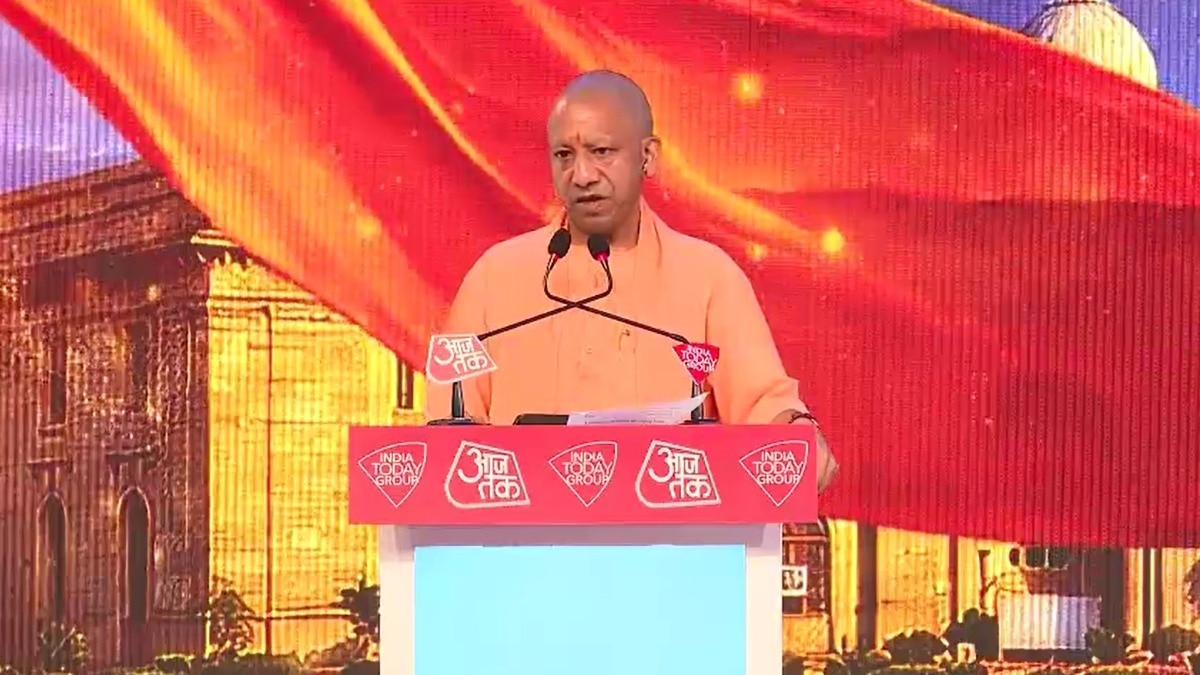
In a powerful address at the 'Panchayat Aaj Tak Mathura' event, Uttar Pradesh Chief Minister Yogi Adityanath defended his government's record and articulated a vision of a transformed state. He categorically rejected the description of Uttar Pradesh as a 'BIMARU' state, asserting that under the current administration, the state has evolved into 'New India's new UP'.
The Chief Minister drew a sharp contrast between the pre-2017 era and the current regime. He alleged that prior to his government's tenure, Uttar Pradesh was synonymous with lawlessness, riots, and administrative failure. He specifically targeted previous political structures, alleging that the state was held hostage by 'dynastic politics' and controlled by 'Saifai and Rampur syndicates' that dominated government jobs and local administration through extortion and corruption.
Why This Matters
BozokMedia analysis shows that this rhetorical shift from 'defensive governance' to 'aspirational leadership' is a strategic move to consolidate the BJP's base ahead of 2027. By framing economic growth and law and order as direct outcomes of dismantling old political syndicates, the CM is positioning the BJP as the sole architect of stability and prosperity in Northern India.
'If someone has played with the safety of a daughter, he must be sent to either jail or hell, because he deserves it.' — Yogi Adityanath
Highlighting the economic trajectory, Yogi Adityanath claimed that Uttar Pradesh has moved from the bottom tier to becoming one of the country's top three economies. He cited significant improvements in the agricultural sector, noting that while the state holds only 11% of India's cultivable land, it produces 21% of the nation's foodgrains, with agricultural growth rates surging from 8% to as high as 21%.
A cornerstone of his report card was the 'One District One Product' (ODOP) initiative. He listed various success stories, including Firozabad glass, Moradabad brass, Lucknow chikankari, and Varanasi silk, noting how these schemes have empowered women's self-help groups and boosted local economies. Furthermore, he emphasized that the state's improved security environment has successfully restored investor confidence, turning the state into an industrial hub through massive expressway expansions.
Frequently Asked Questions
1. What does the term 'BIMARU' signify in the context of Indian states?
Historically, 'BIMARU' was an acronym used to describe several economically backward and socially underdeveloped states in India, including Bihar, Madhya Pradesh, Rajasthan, and Uttar Pradesh.
2. How is the UP government promoting modern technology?
The government is expanding training in emerging fields such as Artificial Intelligence (AI), 3D printing, robotics, and drone technology to create a future-ready workforce.