Progressive Muslim thinkers urge Rahul Gandhi to champion gender justice within the Muslim community to dismantle patriarchy and uphold constitutional rights.
- Muslim reformers appeal to Rahul Gandhi to amplify reformist voices fighting for gender justice.
- Patriarchy is identified as a major roadblock to social progress within the Muslim community.
- The movement seeks to anchor identity in Articles 14-21 of the Constitution rather than just religious freedoms.
- Demands include ending discriminatory practices like Nikah Halala and ensuring equal access to sacred spaces.
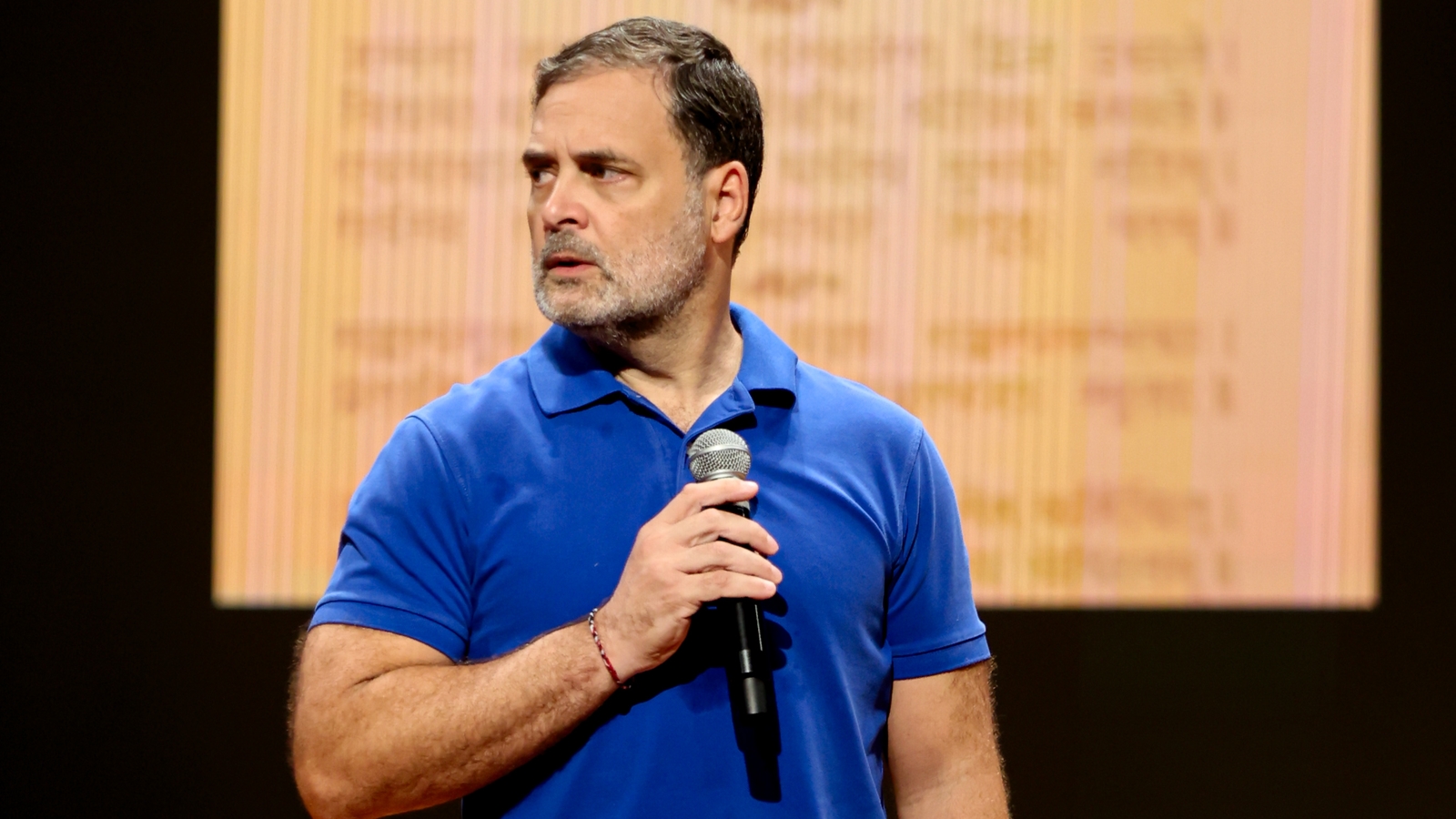
In a powerful appeal to Congress leader Rahul Gandhi, a group of progressive Muslim thinkers and activists has urged him to extend his vision of gender justice to the Indian Muslim youth. Following his recent address to Gen Z women in Pune, where he called for dismantling systemic male dominance, these reformers argue that the same principles must be applied to address the patriarchal structures within the Muslim community.
The writers emphasize that patriarchy is an all-encompassing force that transcends borders, castes, and creeds. While the battle against orthodox male dominance is fought across various communities, women and youth within the Indian Muslim community are engaged in an equally relentless struggle for dignity, respect, and equal citizenship under the Constitution of India.
Why This Matters
BozokMedia analysis shows that this issue is central to the democratic fabric of India. The emergence of a vibrant, secular, and progressive Muslim voice is vital for nation-building. By ignoring internal gender reforms, conservative elements inadvertently provide ammunition to communal narratives that seek to demonize the entire community as inherently regressive. Strengthening gender justice within minorities is essential for true national integration.
True freedom cannot coexist in a society where institutionalized inequality is shielded by the cloak of religious identity.
The appeal highlights a critical tension between 'custodians of identity' and 'constitutional rights.' Organizations like the All India Muslim Personal Law Board (AIMPLB) are criticized for positioning themselves as the sole guardians of Muslim identity, often using Articles 25 and 26 (religious freedom) to bypass the fundamental guarantees of equality and human dignity found in Articles 14 through 21.
A Charter for Reform
Grassroots movements, including the Bharatiya Muslim Mahila Andolan (BMMA) and the Indian Muslims for Secular Democracy (IMSD), have been campaigning for systemic changes. Their demands include:
- The absolute end to discriminatory practices such as Nikah Halala and Muta marriage.
- Strict adherence to 18 as the uniform legal age of marriage.
- Equal inheritance rights and progressive legal frameworks for divorce and maintenance.
- Unhindered access for women to mosques to pray as equal believers.
- An absolute ban on female genital mutilation (FGM).
Frequently Asked Questions
1. What is the core demand of the Muslim reformists?
They are asking for political leadership to recognize and support the fight against patriarchy within the Muslim community.
2. Why is the Constitution mentioned so frequently?
Because reformers want to ensure that religious personal laws do not override the fundamental rights of equality and dignity guaranteed to all citizens.