While Mohan Bhagwat's recent speeches suggest a more inclusive approach, a deeper look reveals a strategic tactical shift rather than a fundamental ideological transformation of Hindutva.
- Mohan Bhagwat's speeches are being misinterpreted as a fundamental shift in RSS ideology.
- Diversity is framed as 'decoration' for unity rather than an intrinsic part of Indian identity.
- The RSS has moved from caste-based limitations to a powerful state-culture partnership.
- The current leadership uses tactical positioning to make Hindutva more globally acceptable.
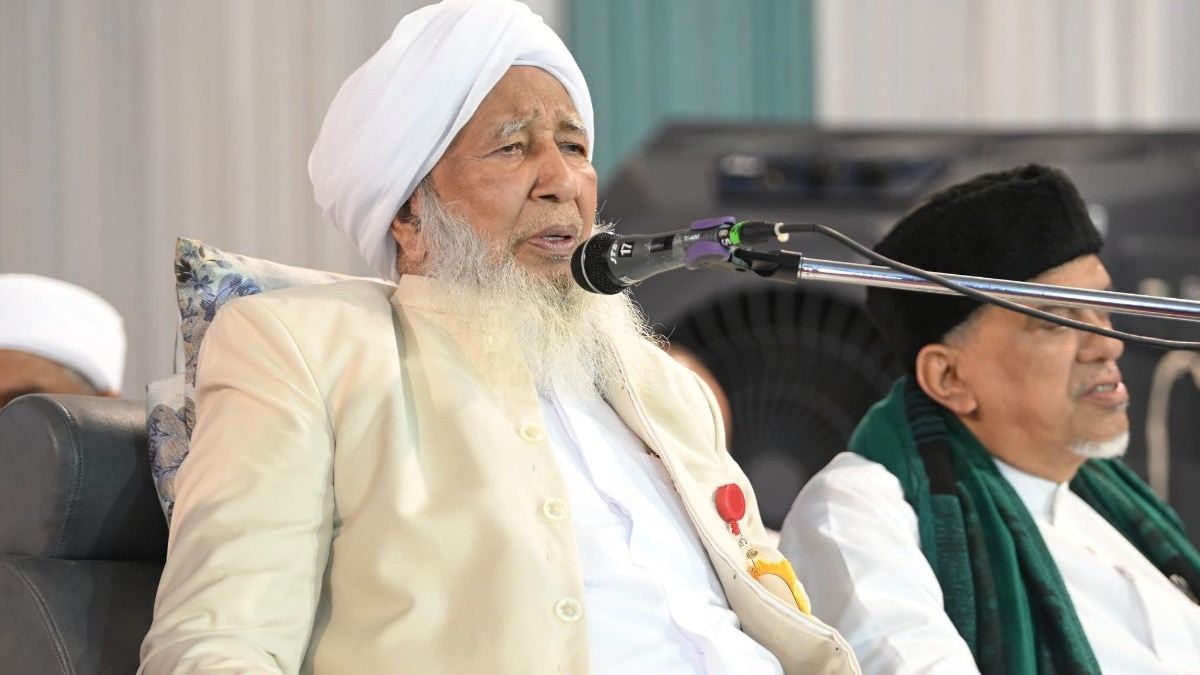
The recent international addresses by RSS chief Mohan Bhagwat have sparked intense debate. While many observers interpret his celebration of diversity as a sign of a softening stance, the reality is more complex. Far from a genuine ideological evolution, these statements appear to be a tactical positioning designed to make the concept of Hindutva more palatable to a global and diverse audience.
Bhagwat’s rhetoric suggests that diversity is merely a 'beautification' of unity, rather than an inseparable component of Indianness. This distinction is crucial. By treating diversity as an external ornament, the core ideology remains unchanged, maintaining its traditional boundaries while adopting a more sophisticated communicative style.
Why This Matters
BozokMedia analysis shows that the 'multi-vocal' nature of Hindutva creates significant political confusion. While the RSS chief may offer an olive branch through soft-spoken rhetoric, affiliated organizations and political functionaries often engage in aggressive, exclusionary politics. This duality allows the movement to maintain its core hardline stance while projecting a moderate image externally.
The core of Hindutva remains unrelenting, even as its methods of expression undergo modern refinement.
Historically, the RSS has undergone three major transformations. The first was under M.S. Golwalkar, focusing on organizational roots. The second, under M.D. Deoras, expanded the movement to include backward castes, breaking upper-caste limitations. The third, under the current leadership of Narendra Modi and Mohan Bhagwat, is the unprecedented fusion of the state apparatus with the Hindutva cultural behemoth.
This third transformation has granted Hindutva unprecedented hegemony. Bhagwat can afford to sound magnanimous because the movement no longer seeks mere acceptance; it already commands the levers of institutional power. The synergy between the state and the cultural organization provides a mechanism to strengthen hegemony while simultaneously neutralizing ideological adversaries.
In conclusion, students of Indian politics must look beyond individual speeches. The continuity from the Golwalkar era to the present suggests that while the media savvy and political tools have evolved, the underlying ideological objectives remain steadfastly consistent.
Frequently Asked Questions
Question 1: Does Mohan Bhagwat's speech indicate a shift in RSS ideology?
Answer: No, it is viewed as a tactical shift in communication rather than a change in fundamental ideology.
Question 2: What is the current relationship between the state and the RSS?
Answer: There is currently a close partnership between the state apparatus and the Hindutva movement, facilitating greater political hegemony.