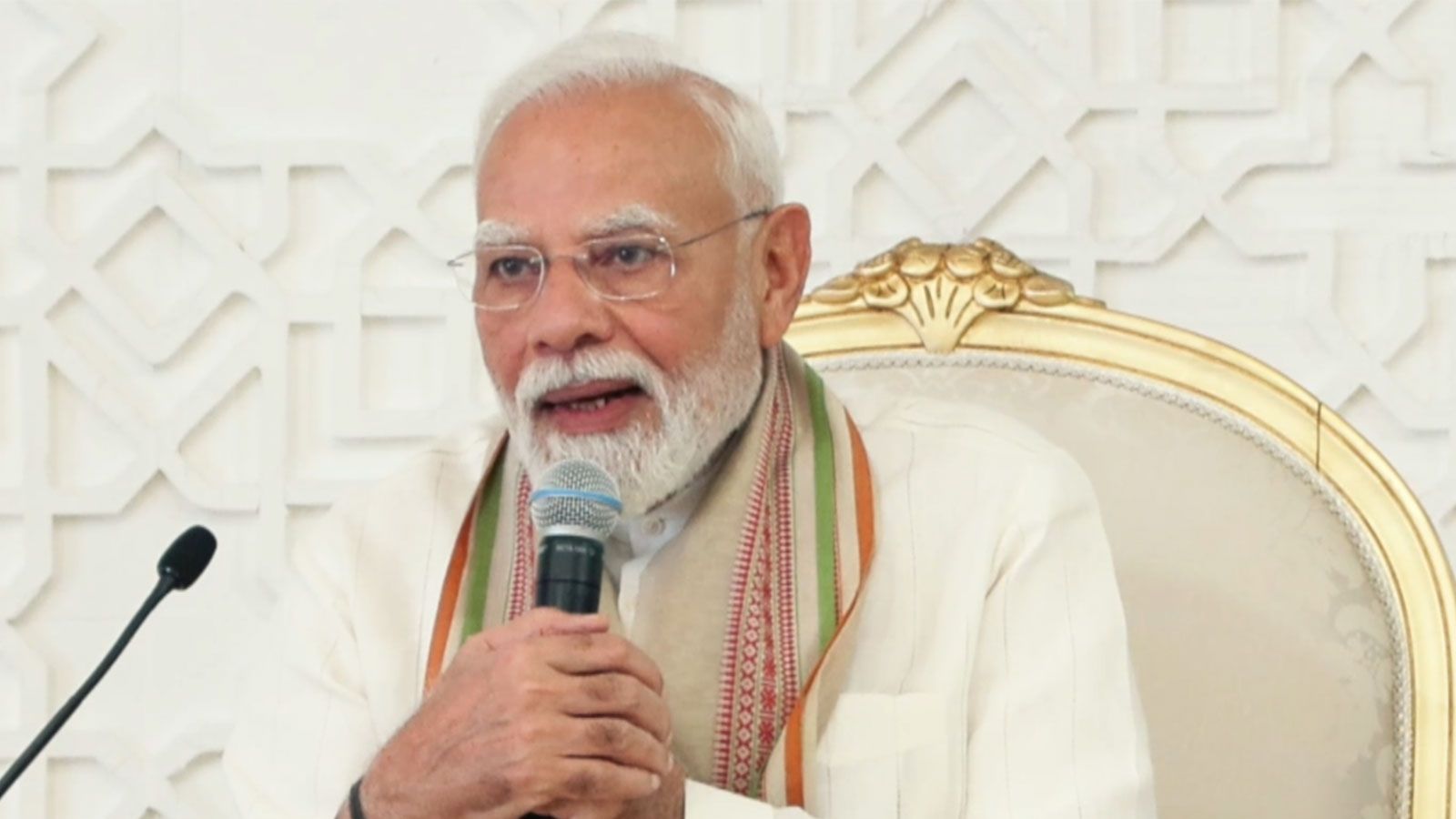
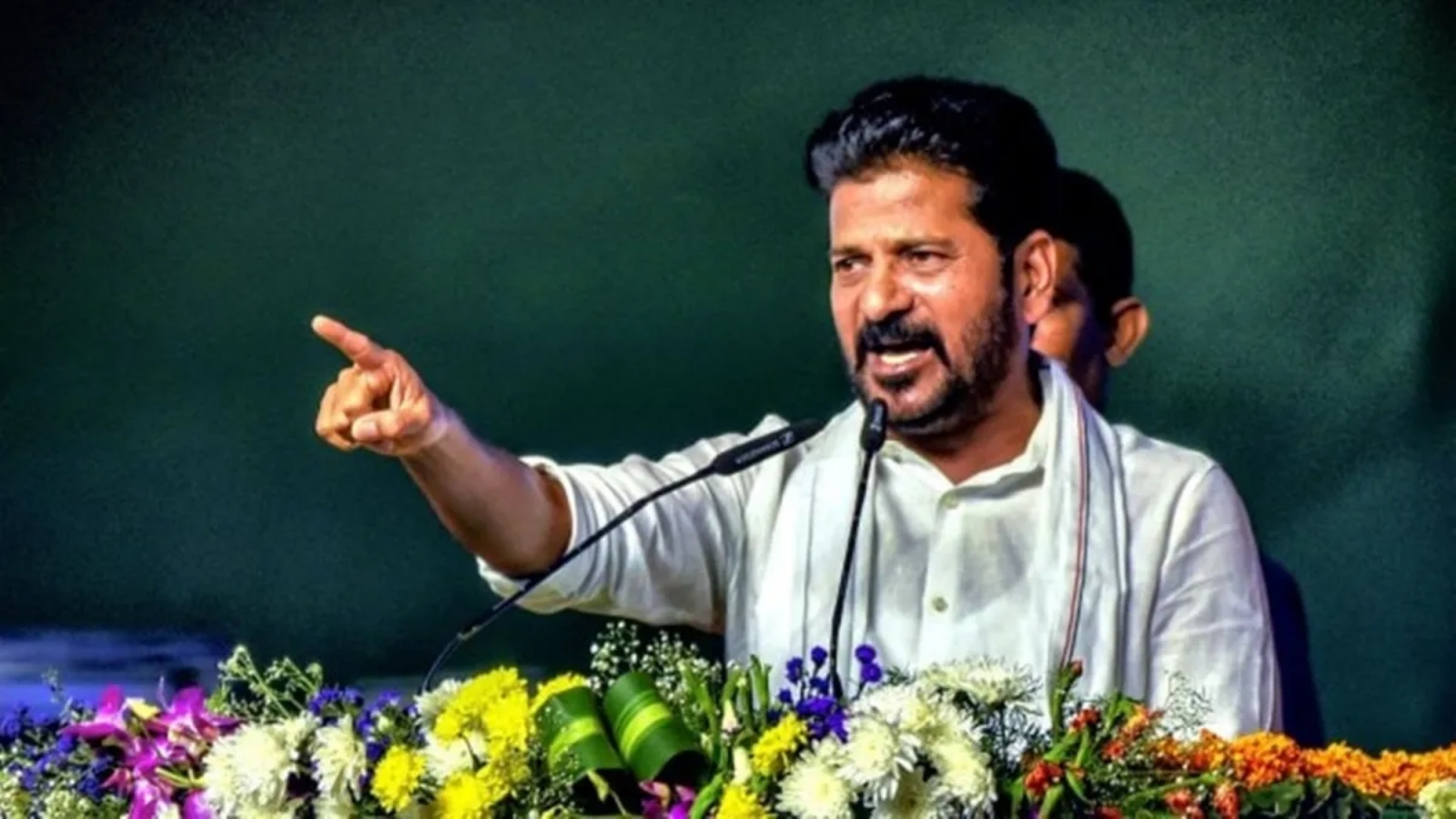
Karnataka Home Minister Priyank Kharge launched the 'Praja Seva' campaign, aiming to bring administration to citizens' doorsteps and ensure time-bound redressal of grievances through a dedicated department.
- The 'Praja Seva' initiative aims to bring administration directly to the doorsteps of the people.
- A dedicated 'Praja Seva Department' has been established under CM D.K. Shivakumar's leadership.
- Ministers and officials will meet citizens at the taluk level on the 1st and 3rd Saturdays of every month.
- Every grievance will receive an acknowledgement number to ensure resolution within a stipulated timeframe.
Home Minister and Kalaburagi district in-charge Minister Priyank Kharge stated that the State government’s Praja Seva initiative is a testament to its commitment to taking administration to the people’s doorsteps. Speaking at the launch of the campaign in Kamalapur, Kalaburagi district, Mr. Kharge emphasized that the initiative ensures the time-bound redressal of public grievances.
Mr. Kharge remarked that the campaign reflects the government’s core belief that "jana seve is janardhana seve" (serving the people is serving God). He stressed that a government should actively listen to the problems of its citizens rather than remaining distant. To facilitate this, a dedicated Praja Seva Department has been created to track applications and ensure they are not just received but resolved efficiently.
Why This Matters
BozokMedia analysis shows that by institutionalizing grievance redressal through a dedicated department and regular monthly visits, the Karnataka government is attempting to bridge the traditional gap between the bureaucracy and the rural populace. This systematic approach aims to reduce corruption and increase trust in public institutions.
"The introduction of acknowledgement numbers and mandatory timeframes transforms grievance redressal from a passive process into an active administrative duty."
The campaign was launched simultaneously across Karnataka. While Mr. Kharge led the proceedings in Kalaburagi, Chief Minister D.K. Shivakumar inaugurated the program in Kudligi, Vijayanagara district. At the Kamalapur event, approximately 40 stalls were set up, representing various departments including Agriculture, Revenue, Rural Development, and Social Welfare, serving 19 gram panchayats.
During the interaction, several pressing issues were brought to light, ranging from land encroachment allegations by local women to the non-payment of old-age pensions for several months. Additionally, villagers highlighted critical infrastructure needs such as improved roads, drainage systems, and drinking water availability.
Historical Background
Public grievance redressal mechanisms in India have evolved from simple petitions to sophisticated digital portals. However, the 'Praja Seva' model combines digital tracking (via acknowledgement numbers) with physical presence (monthly taluk-level meetings), representing a hybrid approach to modern governance that prioritizes human interaction alongside administrative efficiency.
Frequently Asked Questions
1. How does the Praja Seva department ensure accountability?
By providing every applicant with an acknowledgement number and mandating departments to act within a prescribed window.
2. When can citizens meet government officials directly?
Ministers and officials are scheduled to meet people at the taluk level on the first and third Saturdays of every month.