A new law in Austria has come into effect, banning traditional Muslim head coverings in schools for girls under 14. While the government cites gender equality, critics warn of rising anti-Muslim sentiment.
- Ban applies to 'traditional Muslim' headscarves (hijabs, burkas) in all schools.
- Target age group: Girls under the age of 14.
- Government motive: Protecting girls from oppression and ensuring gender equality.
- Potential penalty: Fines of up to €800 for guardians in cases of repeated violations.
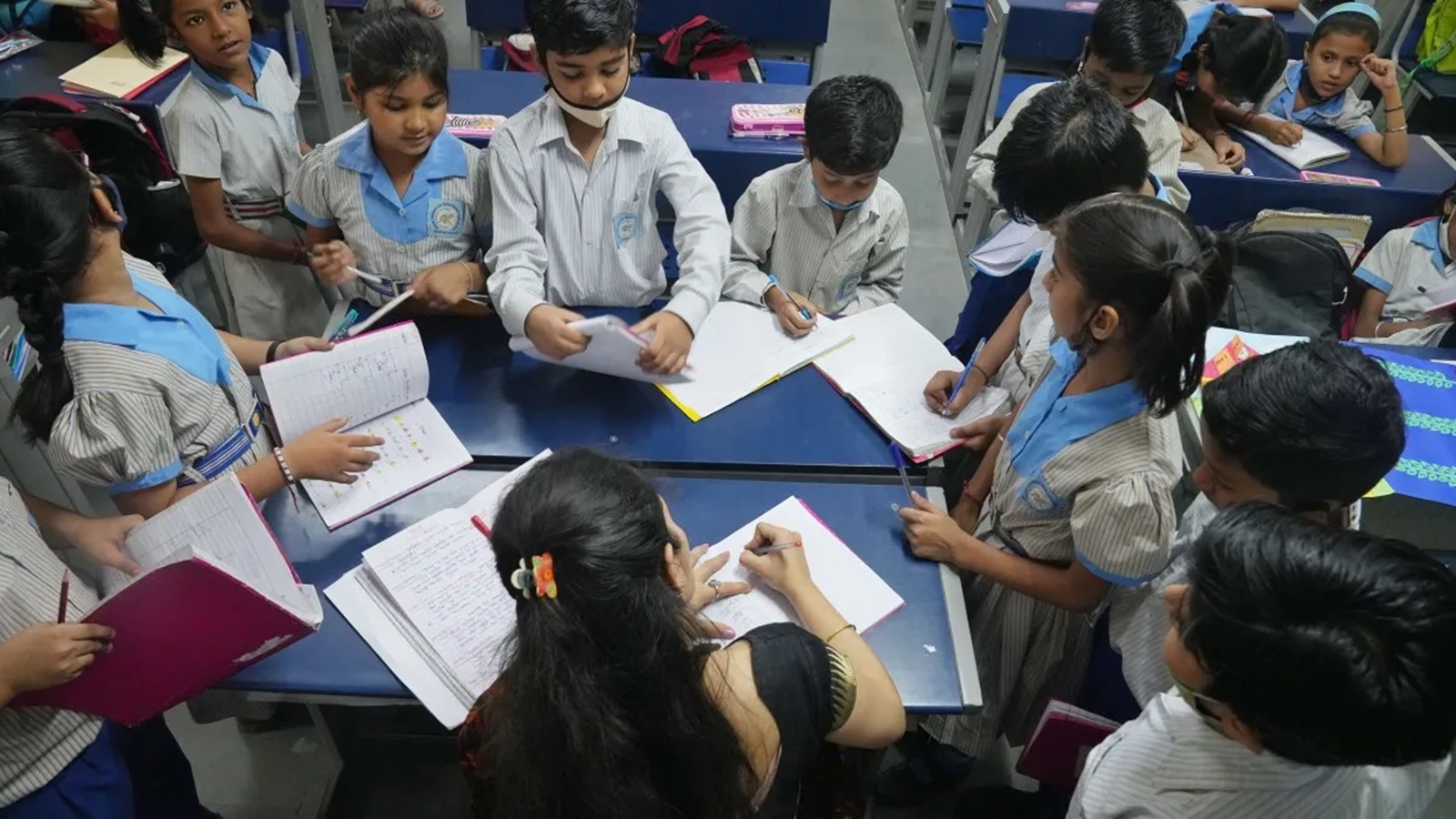
As the new academic year commences in Austria, a controversial legislative measure has officially come into force. The law prohibits "traditional Muslim" head coverings, including hijabs and burkas, in both public and private educational institutions for girls under the age of 14.
Integration Minister Claudia Bauer of the conservative People's Party (ÖVP) defended the move, characterizing the headscarf as "a sign of oppression and a means of controlling girls from the earliest childhood." The coalition government, comprising the ÖVP, Social Democrats (SPÖ), and the liberal Neos, maintains that this is a necessary step toward gender equality.
Why This Matters
BozokMedia analysis shows that this legislation marks a significant shift in Austria's approach to religious neutrality. By specifically targeting Muslim attire, the law risks escalating tensions between the state and its Muslim minority, potentially moving away from the inclusive integration models seen in other parts of Europe.
"Rather than protecting children, it singles out a specific religious practice and risks excluding the very children it claims to support." - Carla Amina Baghajati, IGGÖ
The Official Islamic Community in Austria (IGGÖ) has voiced strong opposition. Carla Amina Baghajati stated that the ban unjustifiably restricts the fundamental right to freedom of religion. The IGGÖ has indicated it will support legal challenges from families seeking to bring these infringements before the Constitutional Court.
The practical enforcement of this law falls heavily on educators. Teachers are mandated to engage in dialogues with students and guardians upon seeing a headscarf. If violations persist, child services must be notified, and guardians could face significant financial penalties of up to €800.
Historical Background
The legal landscape regarding religious symbols in Austria has been volatile. In 2020, the Constitutional Court struck down a similar ban in primary schools, ruling that it violated the principle of religious neutrality. This new legislation appears to navigate those previous legal hurdles by specifically defining the target as "traditional Muslim" coverings.
| Comparison Factor | French Legislation | New Austrian Law |
|---|---|---|
| Scope of Symbols | Broad (Hijabs, Turbans, Kippas) | Specific (Muslim Headcoverings) |
| Primary Justification | Secularism (Laïcité) | Gender Equality & Anti-Oppression |
Frequently Asked Questions
1. Who is affected by this new law?
The law specifically targets girls under the age of 14 in both public and private schools.
2. What are the consequences for parents?
Repeated violations can lead to child services intervention and fines of up to €800.