Pramath Raj Sinha argues that true leadership in India requires a deep understanding of its grassroots realities, which can only be gained through teaching in underserved classrooms.
- Teaching is a fundamental form of leadership that builds patience and accountability.
- Classroom experience exposes graduates to India's complex social realities like caste, gender, and economic disparity.
- A model of 'educational conscription' could create a more empathetic and capable leadership class.
In a profound reflection on nation-building, Pramath Raj Sinha posits that the path to leading India runs directly through its classrooms. He observes that the most effective leaders are often those who have spent time teaching in low-income, under-resourced environments, gaining a perspective that no textbook or corporate boardroom can provide.
Sinha highlights the experiences of diverse graduates—engineers, lawyers, and economists—who stepped into classrooms not as career teachers, but as seekers of truth. These individuals found themselves navigating the intricate web of Indian society: the realities of nutrition, healthcare, caste dynamics, and the struggle for social mobility.
The Essence of Leadership through Teaching
Teaching is not merely the transfer of information; it is the exercise of profound leadership. It requires preparation, emotional investment, and the ability to see potential in students that they cannot yet see in themselves. BozokMedia analysis shows that the skills honed in a classroom—managing stakeholders, adapting in real-time, and driving results despite resource constraints—are the exact qualities required for high-level governance and entrepreneurship.
To teach is to lead; you are accountable not just for academic progress, but for the belief a student has in their own capability.
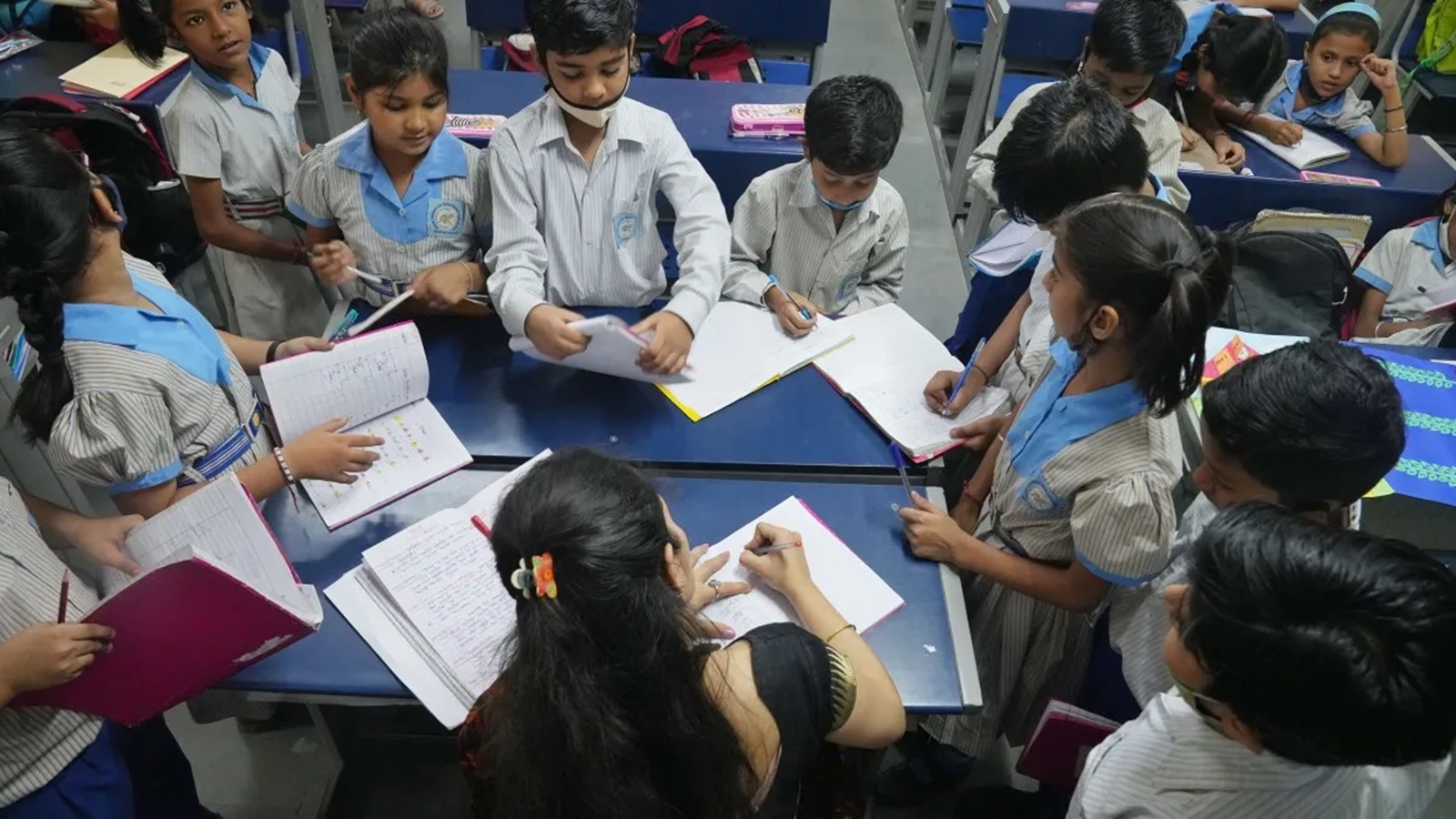
When a teacher enters a Grade VIII classroom in a disadvantaged neighborhood, they quickly realize that the lesson plan is secondary to the human reality. They must adapt to students struggling with language barriers or those navigating the complexities of being first-generation learners. This real-world problem-solving is the ultimate training ground for future leaders.
Historical and Institutional Context
The impact of this model is already visible through fellowships like Teach For India, Bhumi, and the Gandhi Fellowship. These programs have cultivated a cohort of institution builders and thought leaders who transitioned from classrooms to roles in policy, technology, and social enterprises, carrying with them a deep-seated empathy for the nation's challenges.
Sinha proposes a radical idea: a form of 'educational conscription.' Imagine a nation where every qualified graduate spends a portion of their early career teaching or mentoring. This would bridge the gap between the elite and the marginalized, creating a leadership class that is truly representative of India's diverse fabric.
Why This Matters
As India strives to become a global superpower, its leadership must be grounded in the reality of its people. A disconnect between the decision-makers and the grassroots can lead to ineffective policies. Teaching forces a confrontation with the very inequalities that define the Indian experience.
Frequently Asked Questions
1. How does teaching prepare someone for corporate leadership?
It develops empathy, real-time problem-solving, and the ability to manage diverse stakeholders under pressure.
2. What is the goal of 'educational conscription'?
The goal is to ensure that the country's brightest minds understand the socio-economic struggles of the masses before they take up positions of power.