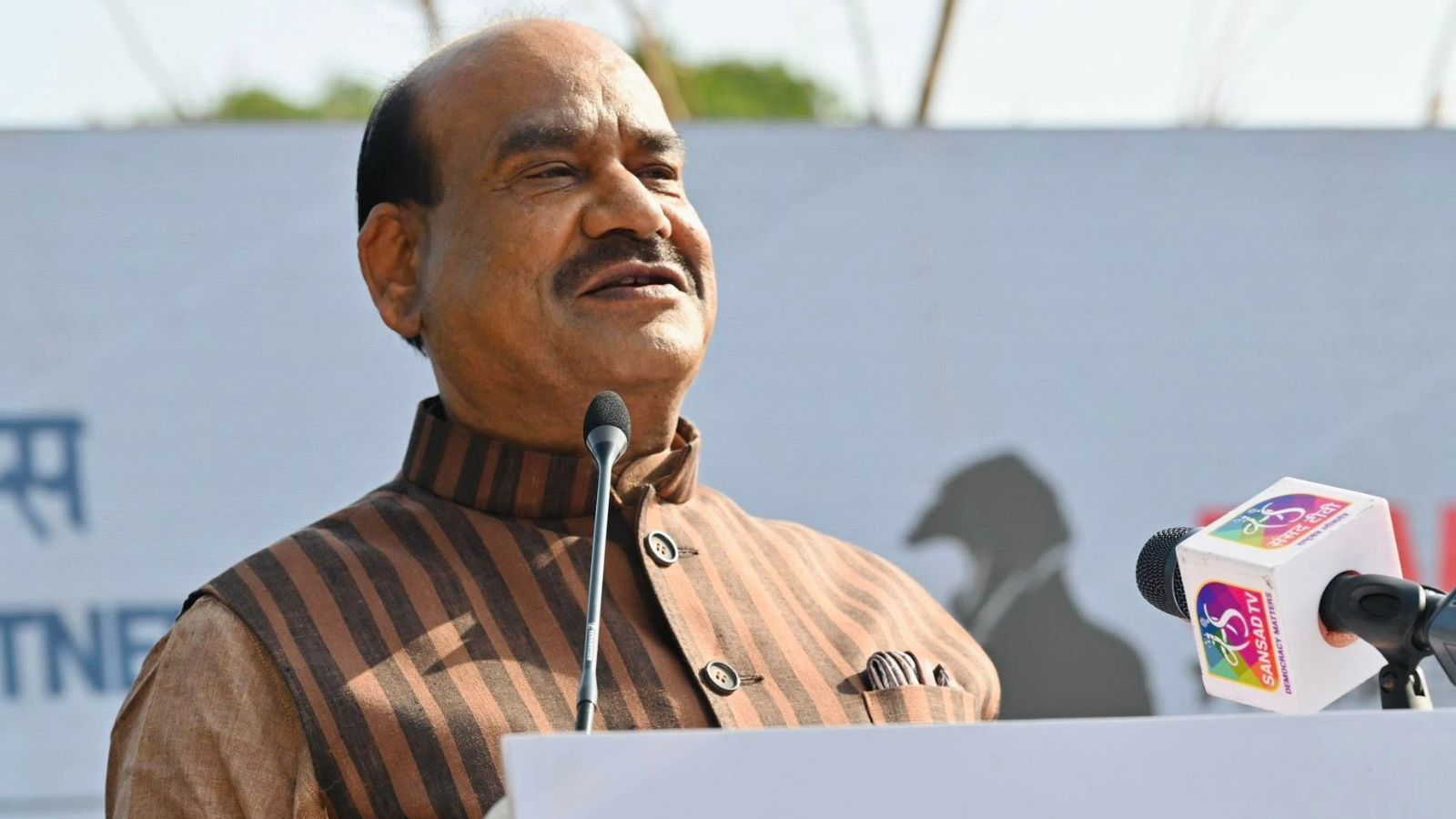
Lok Sabha Speaker Om Birla asserted that the 33% reservation for women in legislative bodies will revolutionize political leadership and gender-responsive governance in India.
- 33% reservation in Lok Sabha and Assemblies will empower female leaders.
- Sensitivity identified as a core strength of women in governance.
- Context of legislative hurdles regarding delimitation-linked amendments.
Lok Sabha Speaker Om Birla stated on Monday that the 33% reservation for women in the Lok Sabha and State Assemblies would unlock unprecedented opportunities for female political leadership. He expressed optimism that women would soon constitute more than half of the country's public services.
Speaking at the inauguration of a two-day All-India capacity-building workshop on “Gender-Responsive Governance” organized by the National Commission for Women in Faridabad, Birla emphasized the transformative potential of this legislative move. His remarks come amidst intensive government efforts to implement the women's reservation law ahead of the 2029 Lok Sabha elections.
Historical Context and Legislative Hurdles
The journey toward gender parity in Indian legislatures has been fraught with challenges. While the intent to empower women is clear, the government's recent attempt during the Budget Session to amend the law via a delimitation-linked constitutional amendment failed to secure the requisite two-thirds majority in the Lok Sabha. This highlights the complex intersection of population delimitation and political representation.
The Power of Empathetic Leadership
Birla highlighted that sensitivity is a defining characteristic of women's leadership. He argued that this inherent trait allows for a deeper understanding of public grievances and the formulation of more effective, human-centric solutions. He called for a collective national resolve to ensure women's representation across all spheres of national life.
Sensitivity in leadership is not a weakness, but a strategic asset for effective governance.
Why This Matters: BozokMedia Analysis
BozokMedia analysis shows that the debate over women's reservation is moving beyond mere numbers toward the quality of governance. Integrating women into decision-making processes is expected to shift the legislative focus toward social welfare, education, and healthcare, fundamentally altering the Indian political landscape.
Frequently Asked Questions
1. What is the proposed percentage of reservation for women?
The proposed reservation is 33% in the Lok Sabha and State Legislative Assemblies.
2. Why did the recent amendment fail in Parliament?
The amendment, linked to delimitation, failed to achieve the necessary two-thirds majority in the Lok Sabha.