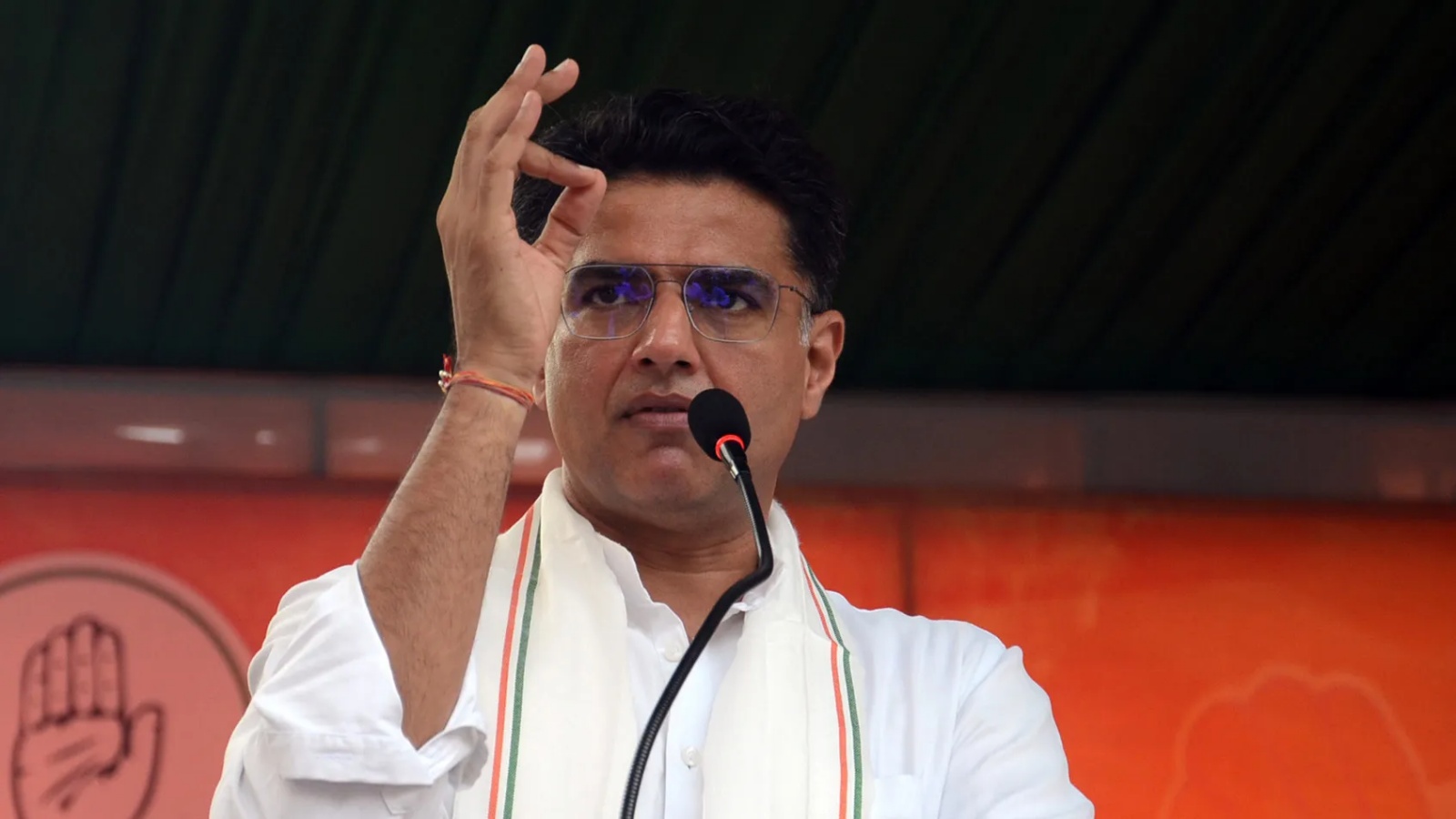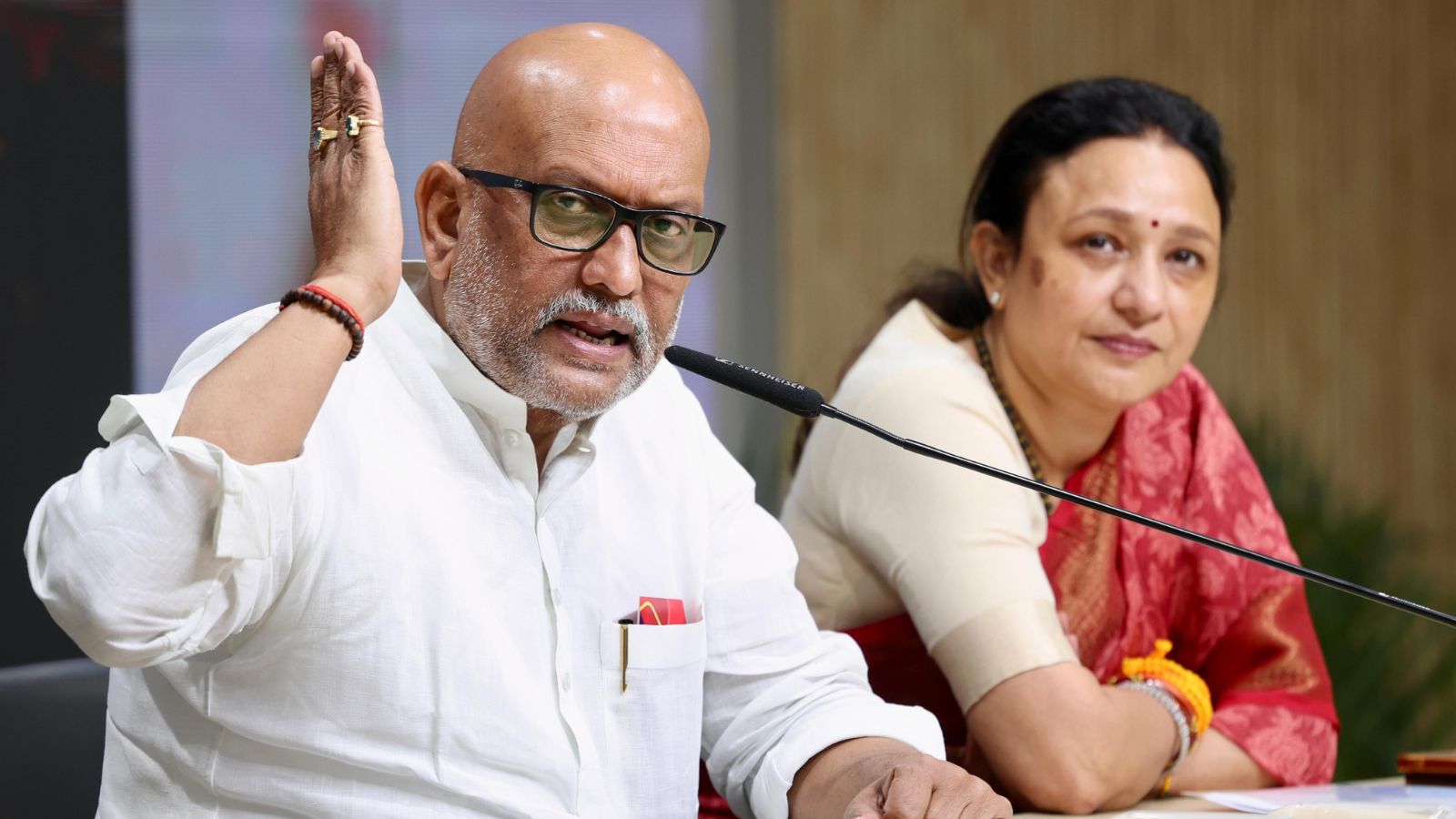
Following the unrest in Punjab, the Congress high command faces a fresh leadership crisis in Uttar Pradesh. Tensions are mounting between State President Ajay Rai and AICC In-charge Rajendra Pal Gautam over ideological and structural differences.
- Deep rift reported between UP Congress President Ajay Rai and AICC In-charge Rajendra Pal Gautam.
- Disagreements stem from contrasting political identities: Upper-caste vs. Ambedkarite ideologies.
- The high command, including Rahul Gandhi and Priyanka Gandhi, has intervened to mediate.
- The conflict threatens the upcoming seat-sharing negotiations with the Samajwadi Party (SP).
After navigating a volatile situation in Punjab, the Congress high command is now grappling with a significant leadership challenge in Uttar Pradesh. As the state prepares for assembly elections early next year, internal friction between State President Ajay Rai and AICC In-charge Rajendra Pal Gautam has placed the party on tenterhooks.
The conflict is rooted in fundamentally different political styles and social identities. Ajay Rai, a Bhumihar leader from Varanasi, focuses his politics on temples and upper-caste communities. In stark contrast, Rajendra Pal Gautam, a Dalit leader, is a staunch Ambedkarite who maintains a clear separation between religion and politics. This ideological gap has created a functional stalemate within the state unit.
Why This Matters
BozokMedia analysis shows that for Congress to regain its footing in Uttar Pradesh, it must master the art of 'Social Engineering.' Any failure to reconcile the interests of its upper-caste base with its goal of building a Dalit-Muslim coalition could lead to a fragmented vote share, ultimately benefiting the BJP.
The survival of Congress in UP depends on whether it can bridge the gap between its traditional upper-caste roots and its modern social justice ambitions.
A major point of contention involves the potential change in state leadership. Sources suggest that Gautam has advocated for a Muslim state president, such as former Jaunpur MLA Nadeem Javed, to strengthen the party's appeal among Muslim voters and exert more leverage during seat-sharing talks with the Samajwadi Party (SP).
Conversely, Rai and several state leaders have expressed dissatisfaction with Gautam's functioning. They allege that instead of acting as an 'observer' for the AICC, Gautam is attempting to dictate terms like a local leader. Furthermore, there are concerns regarding the 'Sangathan Srijan' exercise, with reports suggesting an over-representation of upper-caste names in the proposed list of district presidents.
To address these growing concerns, top leaders including Rahul Gandhi, Priyanka Gandhi Vadra, and KC Venugopal held a crucial meeting with Gautam to discuss the stability of the state unit. While both leaders have officially dismissed the reports of friction as 'BJP rumors,' the underlying structural tensions remain unresolved.
Frequently Asked Questions
1. What is the primary cause of the tension in UP Congress?
The tension arises from the different working styles and social-political focuses of Ajay Rai (Upper-caste/Temple politics) and Rajendra Pal Gautam (Dalit/Ambedkarite politics).
2. How is this conflict affecting the alliance with Samajwadi Party?
The leadership rift could weaken Congress's bargaining power during seat-sharing negotiations, especially regarding the representation of Dalit and Muslim voters.