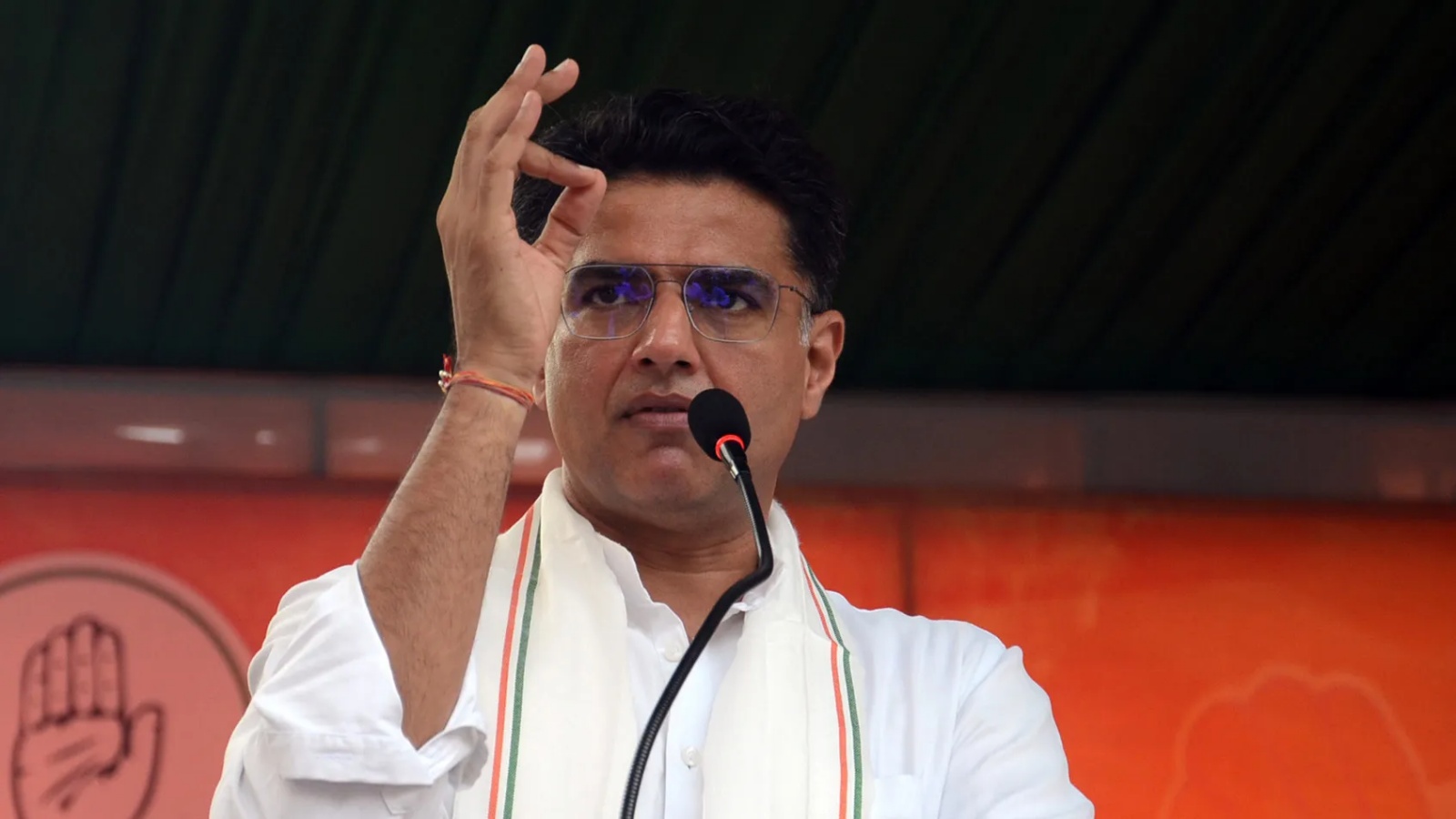
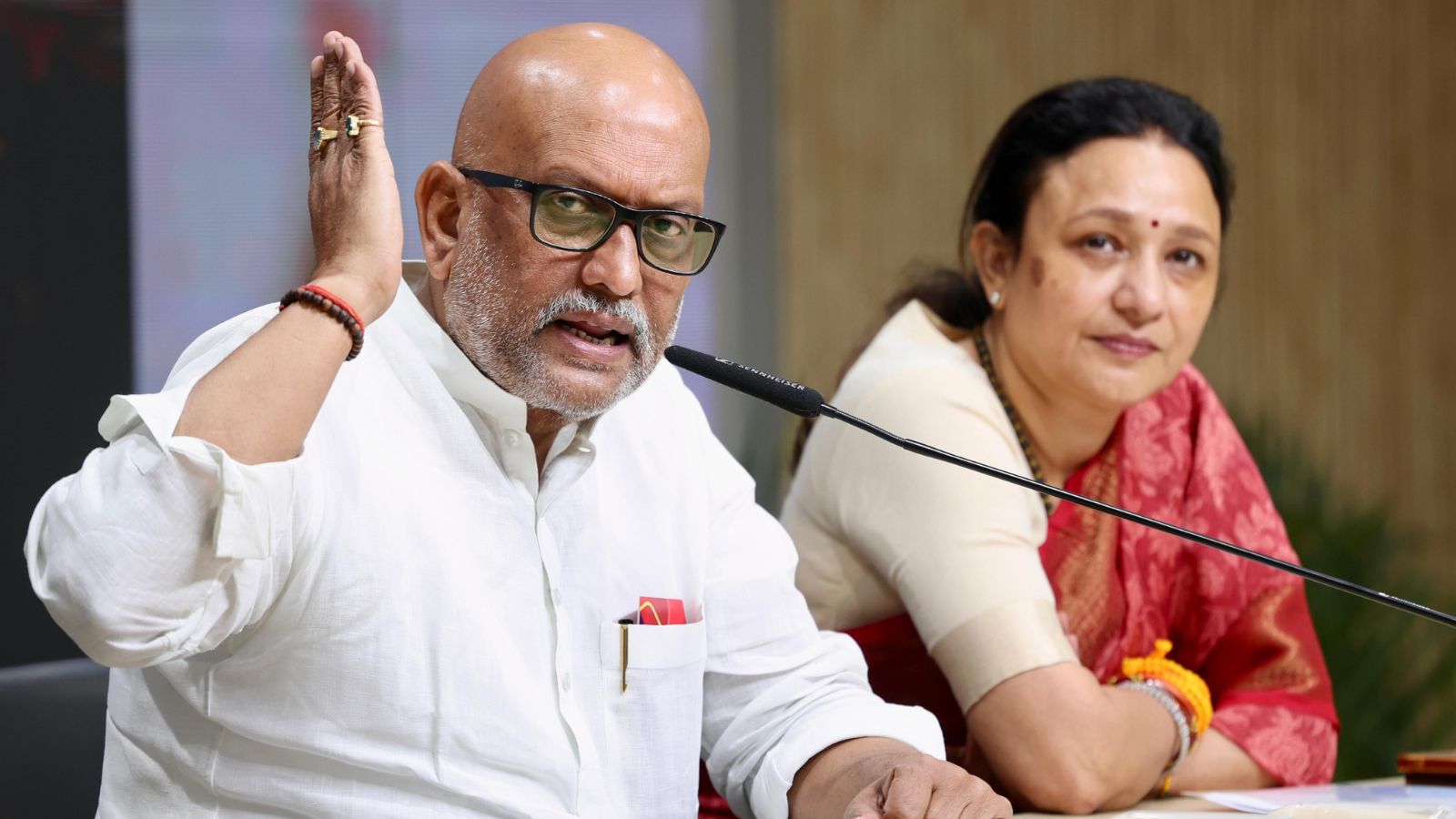
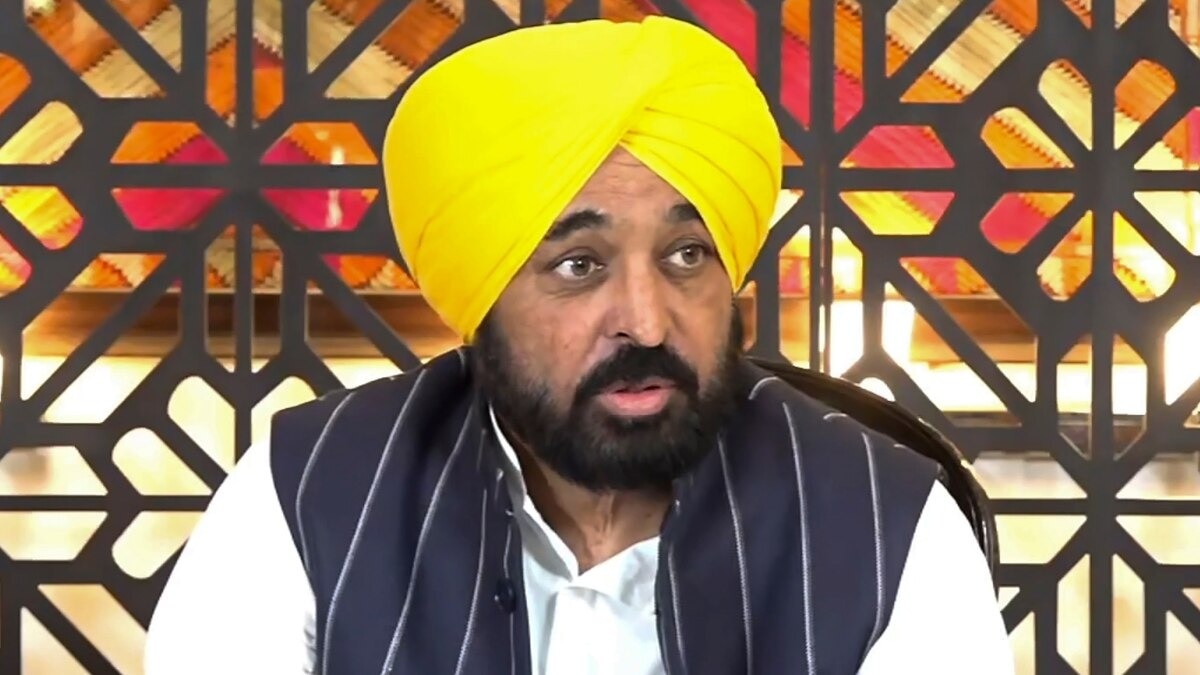
Tamil Nadu CM C. Joseph Vijay launched a blistering attack on the DMK, citing historical corruption documents, while LoP Udhayanidhi Stalin demanded focus on the present.
- CM Vijay accused DMK of practicing 'Scientific Corruption' embedded in its machinery.
- Opposition leader Udhayanidhi Stalin dismissed the remarks as a 'guided tour of the 1970s'.
- Vijay highlighted the need to end derogatory and vulgar language against women in politics.
- Historical references included the Sarkaria Commission and ED documents.
The Tamil Nadu Legislative Assembly witnessed a high-octane political showdown as Chief Minister C. Joseph Vijay brought history to the floor to challenge the DMK. Rather than focusing solely on current administration, Vijay traveled back through decades of political records, including Enforcement Directorate (ED) documents and the Sarkaria Commission, to build a case against the opposition's legacy.
Central to Vijay's argument was the concept of 'Scientific Corruption.' He alleged that corruption under previous DMK regimes was not incidental but a systematic part of the political machinery. He cited the 1970s Veeranam project and alleged commissions paid to contractors as evidence of a long-standing pattern of organized misconduct.
Why This Matters
BozokMedia analysis shows that this confrontation marks a strategic shift in Tamil Nadu's political discourse. By invoking the humiliation faced by former leader Jayalalithaa and condemning the 'river of obscenity' used against women in politics, Vijay is attempting to claim the moral high ground. This is not just a debate over finances; it is a battle over political culture and dignity.
"Vijay is attempting to redefine the political narrative by linking historical corruption to a current systemic failure of the opposition's ideology."
However, the Leader of the Opposition (LoP) Udhayanidhi Stalin was quick to counter. He argued that the mandate given to the current government was to govern the present, not to conduct a 'guided tour of the 1970s.' Stalin suggested that the Chief Minister was using historical controversies to deflect from contemporary governance questions.
Comparison of Political Stances
| Issue | CM Vijay's Position | Udhayanidhi Stalin's Position |
|---|---|---|
| Corruption Allegations | Systemic and 'Scientific' corruption based on historical records. | Distraction from current governance and issues. |
| Political Discourse | Condemnation of vulgarity and attacks on women. | Accusation of using the past to avoid accountability. |
| Focus of Governance | Exposing the inherited political culture of the DMK. | Addressing the needs of the current electorate. |
The tension in the House was palpable as Vijay read aloud descriptions from ED files, including terms like 'organized crime syndicate' and 'unauthorized power broker.' He specifically targeted the 'Karur Gang' and the era of V. Senthil Balaji, claiming that even wrongdoing was carried out with mathematical precision.
Frequently Asked Questions
1. What does 'Scientific Corruption' mean in this context?
It refers to the CM's allegation that corruption was not random but a highly organized, systematic, and predictable part of the previous administration's functioning.
2. How did the DMK respond in the Assembly?
DMK legislators reacted with outrage, raising slogans and surrounding the Speaker, arguing that the CM was bringing up disputed and outdated matters.