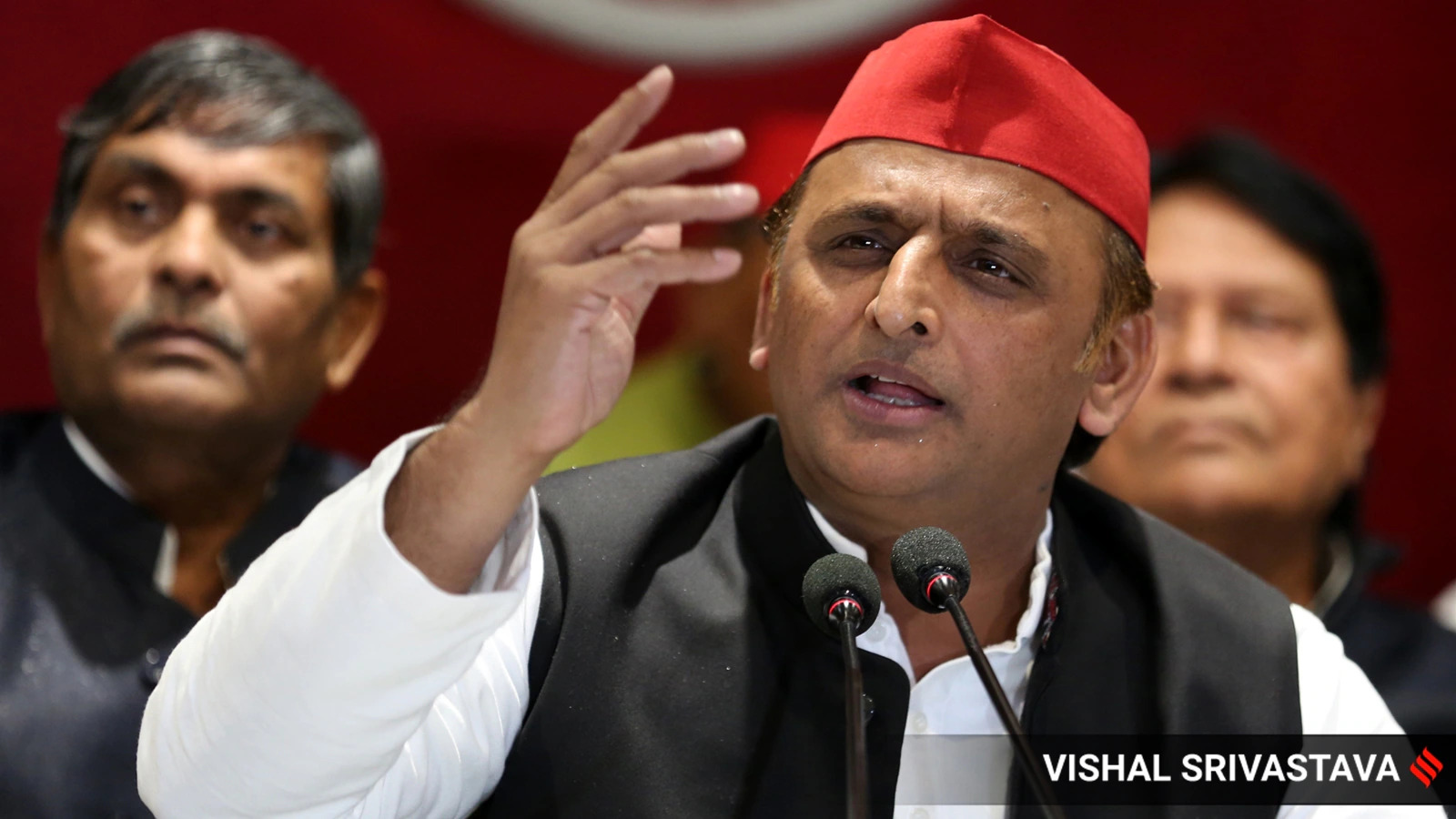
In a strategic move ahead of the 2027 UP elections, Akhilesh Yadav is expected to introduce a blue dress code for the Samajwadi Party Chhatra Sabha, aiming to strengthen the party's PDA plank.
- Samajwadi Party Chhatra Sabha is likely to adopt a blue uniform instead of red.
- The move aligns with Akhilesh Yadav's 'PDA' (Pichhda, Dalit, Alpsankhyak) strategy.
- Blue is traditionally associated with Dalit-Ambedkarite politics in Uttar Pradesh.
- The BJP has criticized the move as a superficial attempt to woo Dalit voters.
The political landscape of Uttar Pradesh is bracing for a visual and ideological shift. The Samajwadi Party (SP) is reportedly planning to overhaul the identity of its student wing, the Samajwadi Party Chhatra Sabha. Sources indicate that party chief Akhilesh Yadav may announce a transition from the traditional red color to a blue dress code this Tuesday.
This decision is far more than a mere aesthetic change. In Uttar Pradesh, the color blue has long been the hallmark of Dalit-Ambedkarite politics, championed by parties like the Bahujan Samaj Party (BSP) and the Azad Samaj Party (Kanshi Ram). By adopting blue, the Samajwadi Party is making a calculated move to bridge the gap with Dalit youth and integrate them into its broader political narrative.
Why This Matters
BozokMedia analysis shows that this maneuver is a core component of the SP's 'PDA' (Pichhda, Dalit, and Alpsankhyak) plank. As the state moves toward the 2027 Assembly elections, the party is attempting to move beyond its traditional core bases to build a massive, inclusive social coalition that targets Gen Z and Gen Alpha voters.
The shift to blue signifies the Samajwadi Party's attempt to break out of its traditional silos and claim a stake in the Ambedkarite political space.
The rebranding is part of a larger organizational restructuring. The SP aims to give distinct identities to its various frontal organizations, including the Samajwadi Party Yuvjan Sabha, Lohia Vahini, and Ambedkar Vahini. A senior leader noted that determining the specific role and visual identity of each unit is crucial for effective outreach to the younger demographic.
The ruling Bharatiya Janata Party (BJP) has reacted sharply to this development. BJP spokesperson Rakesh Tripathi dismissed the move as a cosmetic attempt to mask the party's controversial history regarding Dalit issues. He specifically cited past remarks by veteran leader Azam Khan regarding B.R. Ambedkar to argue that a change in color cannot erase political stains.
Historical Background
Historically, political identity in India has been deeply intertwined with color symbolism. While the Samajwadi Party has traditionally utilized red to symbolize socialist struggle, the blue color has been the cornerstone of Dalit empowerment movements. This transition marks a significant moment where a major non-Dalit party seeks to adopt the visual language of the marginalized to expand its electoral footprint.
Frequently Asked Questions
1. Why is the Samajwadi Party changing its student wing's color?
To align with the 'PDA' strategy and appeal to Dalit and backward class youth.
2. How has the BJP responded to this?
The BJP has called it a superficial attempt to win over Dalit voters while ignoring past controversial remarks.