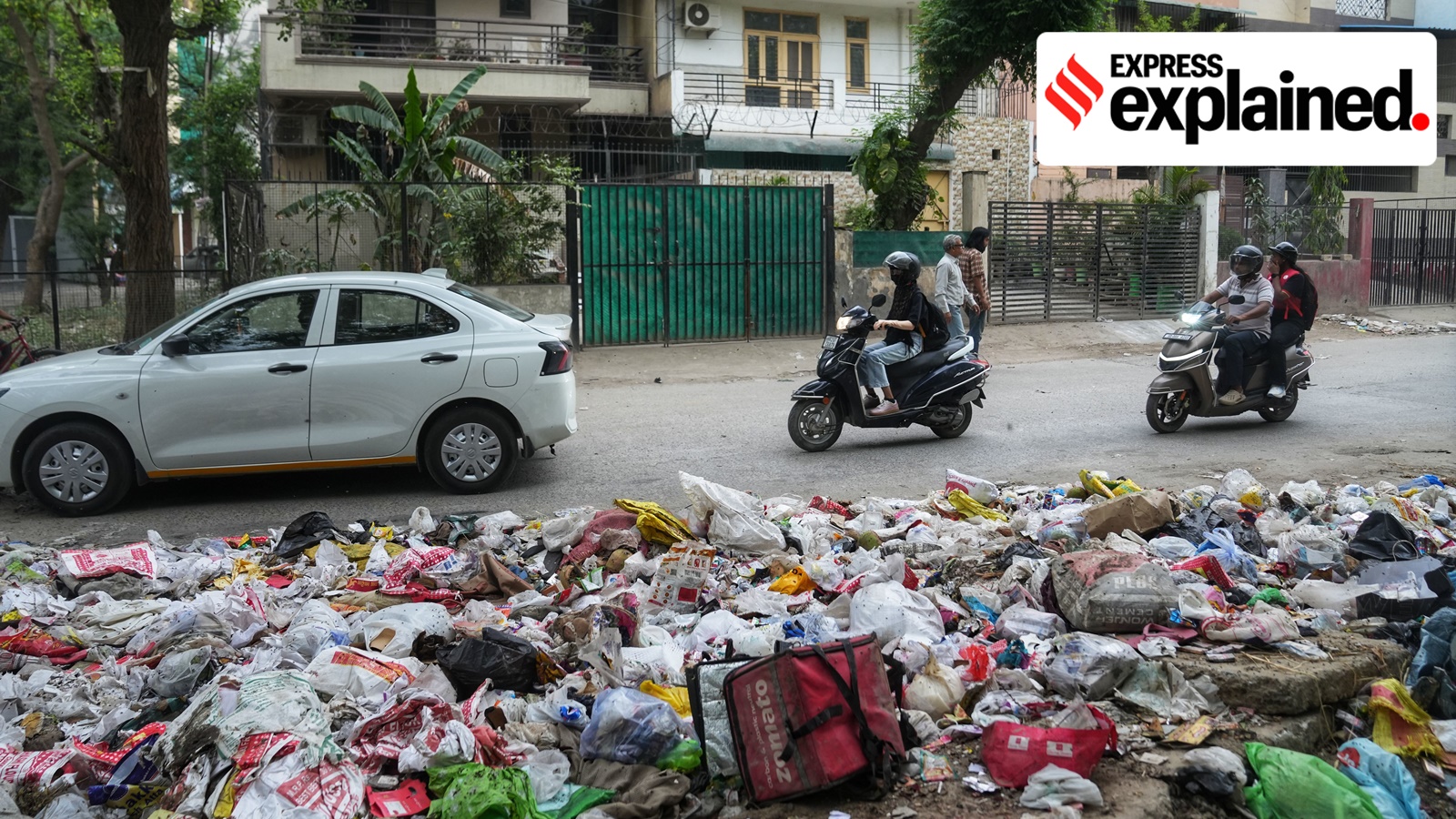
A month-long strike by sanitation workers in Haryana has left cities struggling with massive garbage piles. Despite multiple rounds of talks, the standoff between the BJP government and workers over regularization remains unresolved.
- Over 13,000 municipal workers and 16,500 outsourced staff are demanding regularization.
- Six rounds of negotiations between the BJP-led government and unions have failed to reach a consensus.
- Major urban hubs like Gurugram, Hisar, and Rohtak are facing severe hygiene and health risks.
The urban landscape of Haryana is currently marred by accumulating waste as a massive standoff between sanitation workers and the BJP-led state government enters its second month. What began as a demand for job security has evolved into a widespread crisis affecting public health and municipal functionality across the state.
The Core of the Dispute
The agitation, which commenced on August 6, centers on the demand for the regularization of 13,093 sanitation workers currently on municipal rolls. Furthermore, workers are pushing to bring approximately 16,500 outsourced door-to-door garbage collectors onto the permanent municipal payroll. Currently, the state relies on a very small pool of only 3,400 regularized sanitation employees.
The financial implications are a major sticking point. While the government has proposed increasing the monthly pay of existing municipal workers to Rs 25,560 after 10 years of service, workers argue that full regularization would entitle them to salaries exceeding Rs 34,000, along with essential social security benefits.
Why This Matters
BozokMedia analysis shows that this strike is not merely a labor dispute but a significant test of the state government's ability to manage essential services amidst political pressure. The inability to resolve this impasse has created a vacuum in urban management, leading to environmental hazards and potential disease outbreaks.
The refusal to bridge the gap between contractual security and full regularization is fueling a deep-seated sense of injustice among the workforce.
Legal and Political Hurdles
Haryana Social Justice Minister Krishan Bedi has maintained that legal complexities prevent immediate regularization. He noted that the government is seeking legal opinions, especially regarding demands for workers with only two years of service. However, the opposition, led by Bhupinder Singh Hooda of the Congress party, has vehemently challenged this, citing previous policies where shorter service periods were sufficient for regularization.
The situation on the ground is increasingly volatile. In cities like Hisar and Fatehabad, attempts by municipal authorities to clear garbage using heavy machinery have led to physical confrontations and the registration of FIRs against protesting workers. Meanwhile, in Gurugram, residential welfare associations are struggling to manage waste through private arrangements, which remain inconsistent.
| Feature | Government Proposal | Workers' Demand |
|---|---|---|
| Employment Status | Contractual (Security of Service Act) | Full Regularization |
| Salary Potential | Approx. Rs 25,560 | Rs 34,000+ |
| Job Security | Until age 60 | Permanent Government Service |
Frequently Asked Questions
1. What is the government's current offer to the workers?
The government has proposed bringing workers under the Haryana Contractual Employees (Security of Service) Act, 2024, providing security until the age of 60.
2. How is the strike affecting residents?
Residents are facing uncollected waste in streets and vacant plots, leading to hygiene concerns and the need for private waste management solutions.