Journalist Sagarika Ghose challenges the imposition of compulsory vegetarianism during Durga Puja, arguing that dietary choices are a fundamental constitutional right and a reflection of India's diverse cultural fabric.
- Dietary choices are an intrinsic part of personal liberty and the right to privacy.
- Opposition to calls by Bageshwar Baba and VHP to remove non-vegetarian food from Puja pandals.
- There is no single 'Hindu diet'; traditions vary significantly across regions and castes.
- The Puttaswamy judgment protects individual choices regarding food and lifestyle.
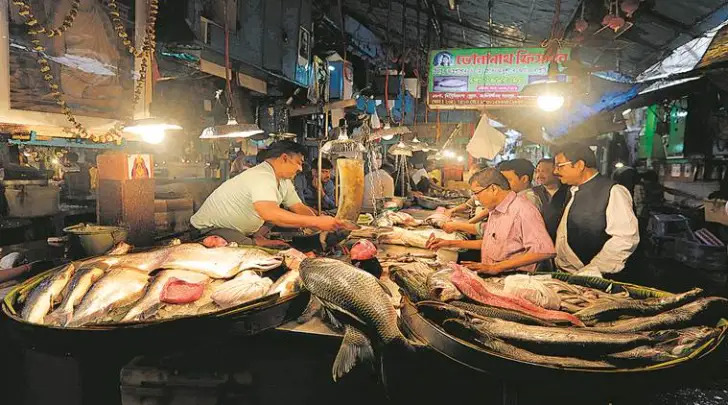
Durga Puja in Bengal is more than a religious event; it is a celebration of the Sacred Feminine and a manifestation of public piety. For author Sagarika Ghose, the festival is inextricably linked to the memories of her mother's table, where traditional feasts included fish fry and kosha mangsho (spicy mutton). In these households, food was a symbol of abundance and acceptance, far removed from any form of orthodox puritanism.
However, this spirit of inclusivity is under threat. Dhirendra Krishna Shastri, known as Bageshwar Baba, and the VHP have recently advocated for the removal of non-vegetarian food from Durga Puja pandals. Ghose argues that when such appeals are backed by government patronage, personal choice is transformed into a state diktat, creating a hierarchy of 'pure' and 'impure' citizens.
Why This Matters
BozokMedia analysis shows that food policing is often a tool for political power. By elevating upper-caste dietary codes as the national standard, the state effectively marginalizes diverse community traditions. This 'Sanskari' labeling of food is not about tradition, but about imposing a rigid conformity to expand a specific ideological footprint.
"Vegetarianism, when freely chosen, deserves complete respect. Compulsory vegetarianism turns personal choice into a hierarchy and state diktat."
The article highlights a stark hypocrisy within the political landscape. While some leaders perform 'fish-eating' photo-ops during elections in Bengal to appear relatable, the same administration often pushes for the closure of meat shops during Navratri in other states. This contradiction is further emphasized by the fact that India's buffalo meat exports reached record highs in 2025-26, even as local butcher shops faced crackdowns.
Empirical data supports the diversity of Indian diets. A Pew Research Center survey (2021) found that only 39% of Indian adults are vegetarian. Furthermore, CSDS data reveals that a significant portion of the Brahmin community—historically viewed as the bastion of vegetarianism—consumes meat. Historian DN Jha has also documented the prevalence of meat-eating in ancient India, debunking the myth of a uniformly vegetarian Vedic past.
| Perspective | Food Policing Approach | Constitutional Approach |
|---|---|---|
| Basis of Diet | Purity vs. Impurity | Culture, Taste, and Health |
| Authority | Religious Leaders/State | Individual/Family Agency |
| Legal Standing | Social Pressure | Right to Privacy (Puttaswamy) |
From a legal standpoint, the 2017 Puttaswamy judgment by the Supreme Court is pivotal. It established that privacy is intrinsic to life and liberty, protecting an individual's right to decide what to eat and wear. The attempt to convert a religious preference into a civic obligation is a direct challenge to these constitutional guarantees.
Frequently Asked Questions
Q1: Does the law protect an individual's choice of food?
Yes, the Supreme Court of India, through the Puttaswamy judgment, recognized that personal choices regarding food and lifestyle are protected under the right to privacy.
Q2: Why is the 'food police' mentality considered dangerous?
It creates a social hierarchy where some citizens are viewed as more 'pure' or 'traditional' than others, leading to the marginalization of diverse cultural practices.