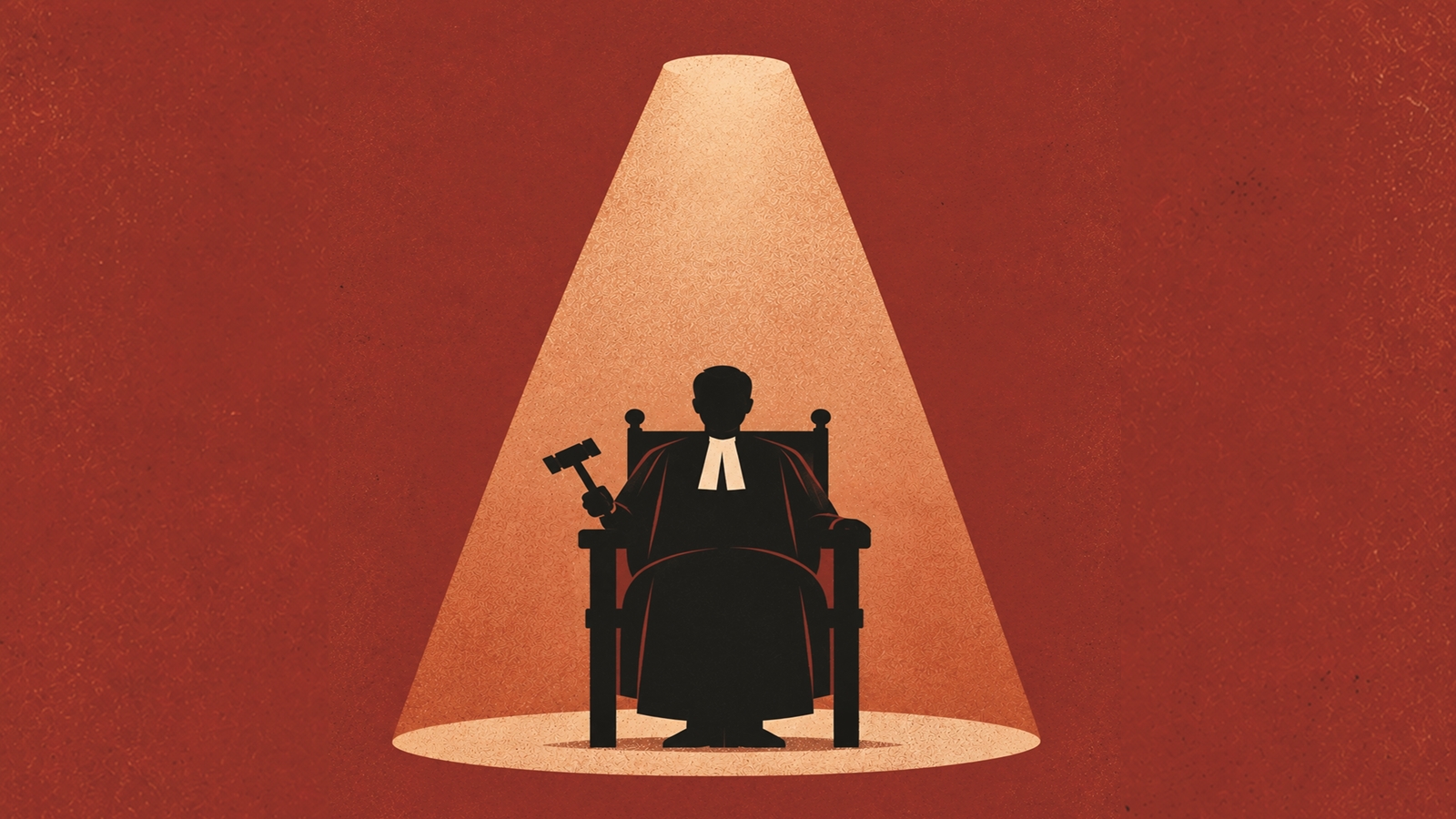
A retired South African Constitutional Court judge critiques India's opaque judicial appointment process, advocating for a transparent, public-facing system to ensure democratic integrity.
- India uses a confidential 'Collegium' system for judicial appointments, while South Africa employs a public Judicial Service Commission (JSC).
- South African judicial interviews are broadcast nationally, allowing for public scrutiny of candidates' competence and integrity.
- Transparency in appointments and disciplinary actions is argued to be the primary safeguard for judicial independence.
The debate over how judges are appointed to the highest courts of the land is not merely a procedural disagreement but a fundamental question of democratic accountability. In a recent analysis sparked by the Supreme Court of India's judgment in Arvind Malhotra v. High Court of Himachal Pradesh, the contrast between the Indian and South African systems has come into sharp focus. The Indian case highlighted a grievance where a junior judge was elevated to the Supreme Court over a senior colleague, allegedly due to political alignment, yet the court dismissed the plea citing the need for confidentiality to preserve the integrity of the process.
In stark contrast, South Africa operates under a model of radical transparency. Judges at all levels are recommended or confirmed by the Judicial Service Commission (JSC). This entity is a representative body comprising senior judges, legal academics, and lawyers, with strictly limited political representation. Unlike the secret deliberations of the Indian Collegium, the JSC's proceedings are broadcast on national television and radio, turning the appointment process into a matter of public record and intense national interest.
The South African process is rigorous: it begins with open nominations and a shortlist, followed by public comments on candidates. The final stage involves public interviews where nominees are scrutinized not only on their legal expertise but also on their lifestyles, past views, and professional conduct. If the commission is deadlocked, the decision is settled by a vote, though the specific identity of each voter remains confidential to prevent external pressure.
Why This Matters
BozokMedia analysis shows that the tension between 'confidentiality' and 'transparency' is where the battle for judicial legitimacy is fought. While the Indian judiciary argues that secrecy protects the process from political interference, the South African experience suggests that secrecy can actually shield incompetence or bias. When the public can see the scrutiny applied to a candidate, the resulting appointment carries a higher degree of perceived legitimacy.
An open and vigorous debate is a precursor to the judicial system’s independence; it is essential for a truly democratic society.
Furthermore, the South African model extends transparency to judicial discipline. When a judge is accused of misconduct—such as a high-profile sexual harassment case—the JSC conducts a public inquiry. This ensures that judges are not seen as an untouchable caste but as public servants accountable to the law they administer. In India, the process for removing or disciplining judges remains largely internal and opaque.
| Feature | India (Collegium System) | South Africa (JSC System) |
|---|---|---|
| Transparency | Confidential/Secret | Publicly Broadcast |
| Selection Body | Senior-most Judges | Judges, Lawyers, Academics |
| Public Input | None/Limited | Open Nominations & Comments |
| Disciplinary Action | Internal/Closed | Public Enquiries |
Ultimately, the transition toward a more representative and open structure is not an easy path, as it invites public critique and political friction. However, for a judiciary to be truly independent, it must first be trusted. Trust cannot be built behind closed doors; it is forged in the light of public scrutiny.
Frequently Asked Questions
1. What is the 'Collegium System' in India?
It is a system where a group of the most senior judges of the Supreme Court and High Courts decide who will be appointed as judges, with the government having limited input.
2. Can South African judges be impeached?
Yes, if the Judicial Service Commission finds a judge guilty of gross misconduct after a public enquiry, they can recommend impeachment to Parliament.