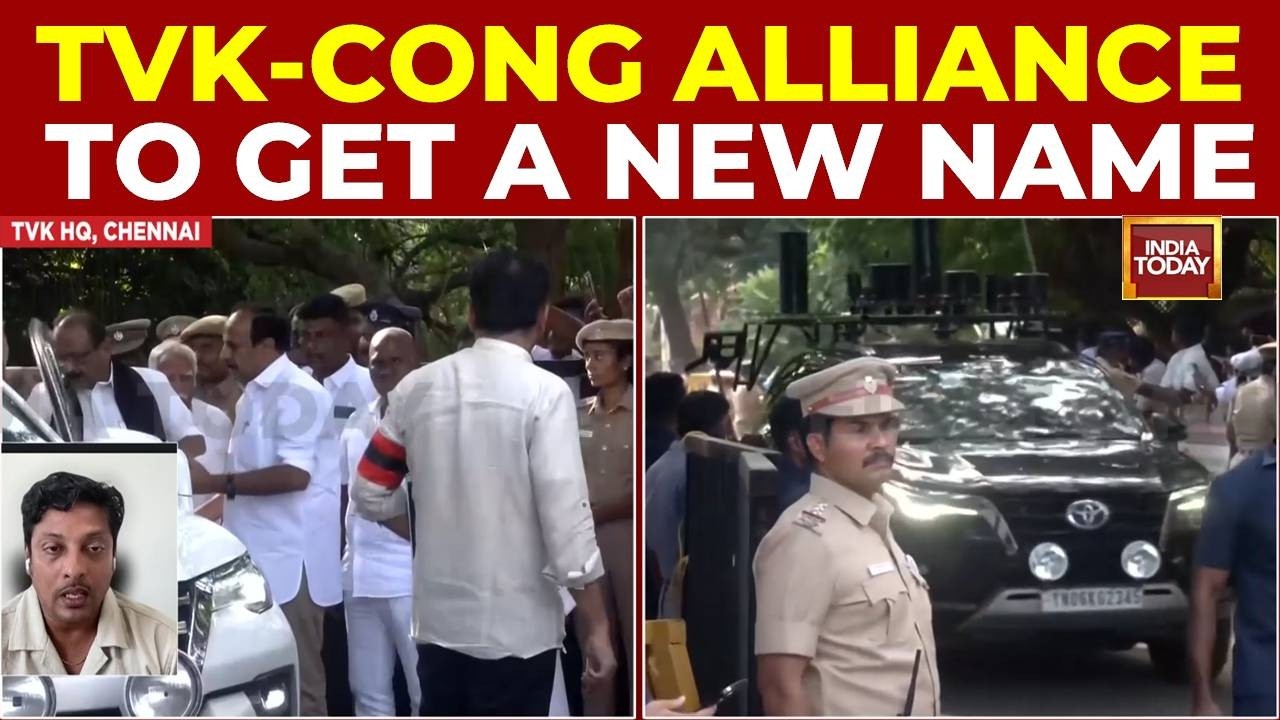
Internal friction mounts in Tamil Nadu's ruling alliance as Left parties boycott key meetings. Tensions rise over the selection of the Prime Ministerial candidate for 2029.
- Left parties have opted for external support, boycotting the formal coalition meeting.
- Consultations are underway for by-elections in two constituencies following legislator defections.
- Significant disagreements exist regarding the projected PM candidate for the 2029 general elections.
The political landscape of Tamil Nadu is currently witnessing a period of strategic instability. Following the assembly elections, the ruling alliance is grappling with internal coordination failures. In a surprising move, the Left parties have decided to distance themselves from the formal coalition structure by boycotting the latest alliance meeting, choosing instead to provide external support to the government.
Parallel to this friction, the alliance is navigating the complexities of upcoming by-elections across two constituencies. These vacancies were created after former opposition legislators switched their allegiance to the ruling side. The process of candidate selection is now a focal point of intense deliberation to ensure a victory that validates the alliance's current strength.
Why This Matters
BozokMedia analysis shows that the boycott by the Left parties is a calculated tactical move to maintain ideological purity while remaining influential. The friction over the 2029 PM face indicates that the alliance is struggling to balance regional identity with national political ambitions.
"The premature debate over the 2029 leadership suggests a deep-seated insecurity within the coalition, where partners are prioritizing future dominance over current stability."
A critical point of contention has emerged regarding the 2029 general elections. The regional and national partners within the coalition hold diverging views on who should be the projected face for the Prime Ministerial candidacy. This debate highlights the inherent tension between regional aspirations and the centralized nature of national leadership.
As the leadership prepares for a scheduled overseas visit, representatives are convening for urgent sessions to resolve these internal disputes. The objective is to establish a cohesive strategy and a unified public image before the international spotlight hits the leadership.
Historical Background
Tamil Nadu has a long history of complex coalition politics, often dominated by the Dravidian movement. While regional parties have historically held the upper hand, their relationships with national parties and the Left have always been transactional. This current volatility is a continuation of the historical struggle between regional autonomy and national integration.
Frequently Asked Questions
1. Why did the Left parties boycott the meeting?
The Left parties chose to provide external support rather than being part of the formal coalition to maintain their strategic independence.
2. What is the conflict regarding the 2029 PM face?
There is a lack of consensus between regional and national partners on which leader should be projected as the Prime Ministerial candidate for the 2029 elections.